
UGANDA
The land of gorillas, chimpanzees and the shoebill
From 24 November to 5 December 2026
- 24 November to 5 December 2026
- Uganda
- Maximum 6 people
- Good physical fitness
- 3.650€
Summary
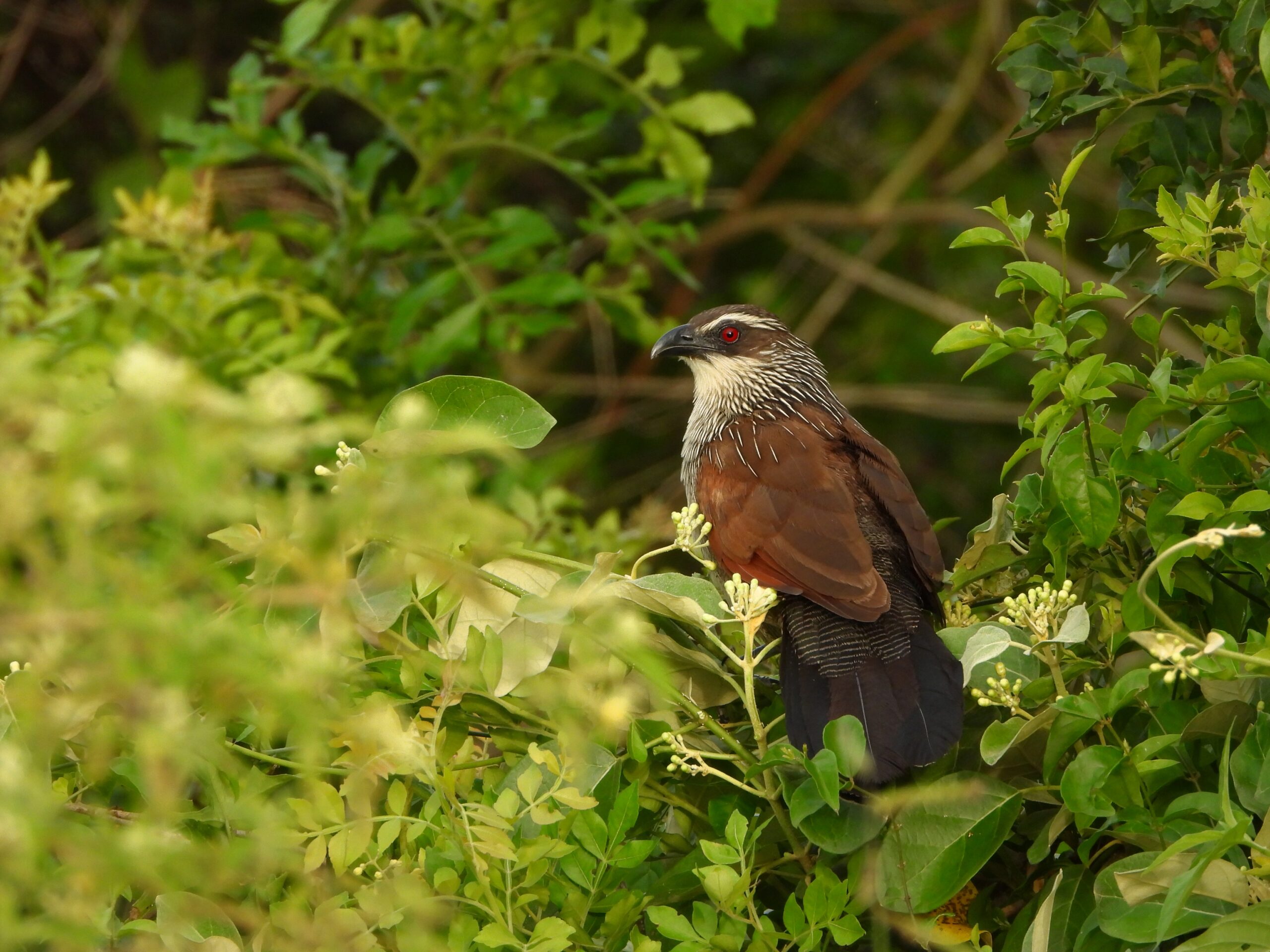
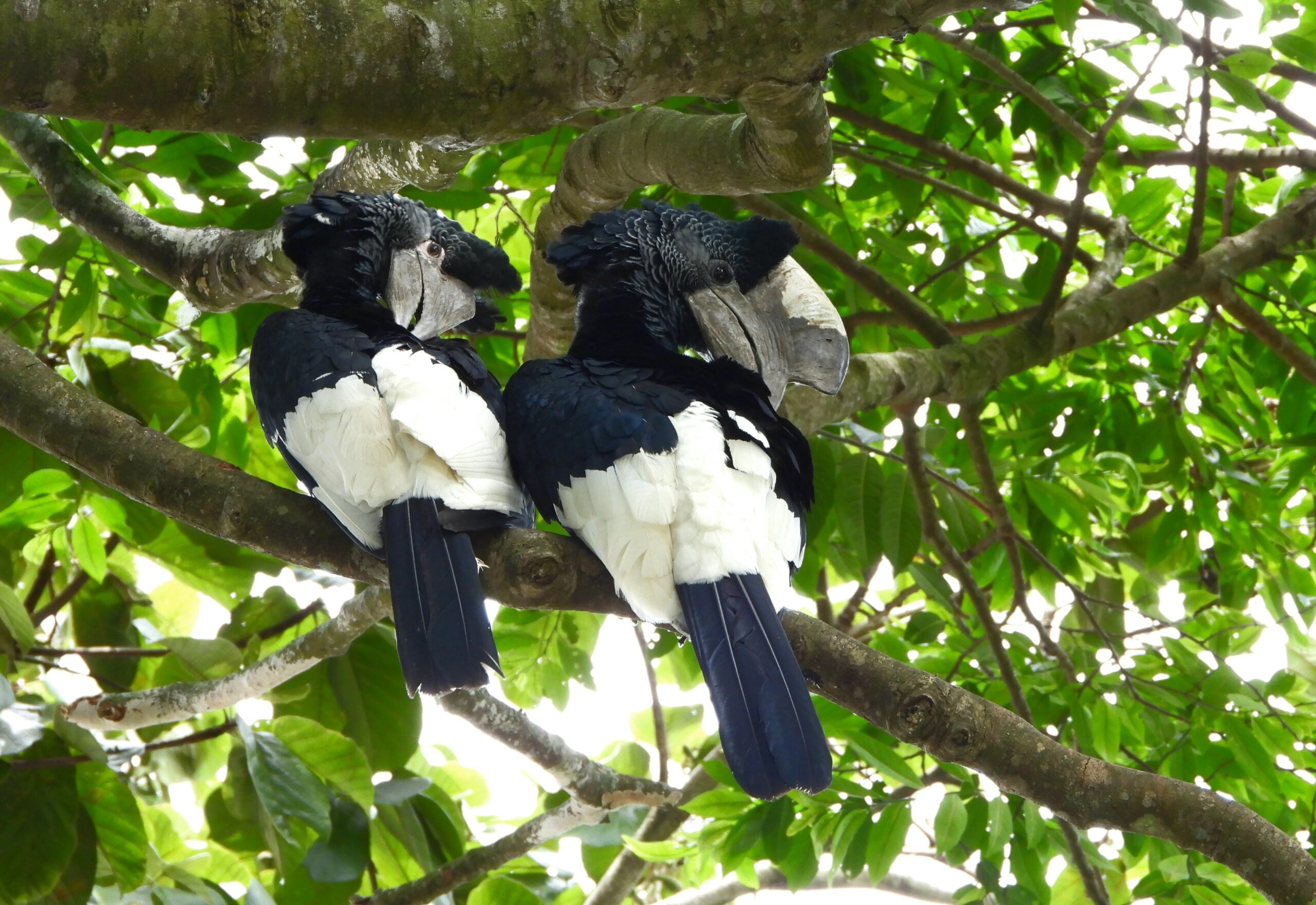
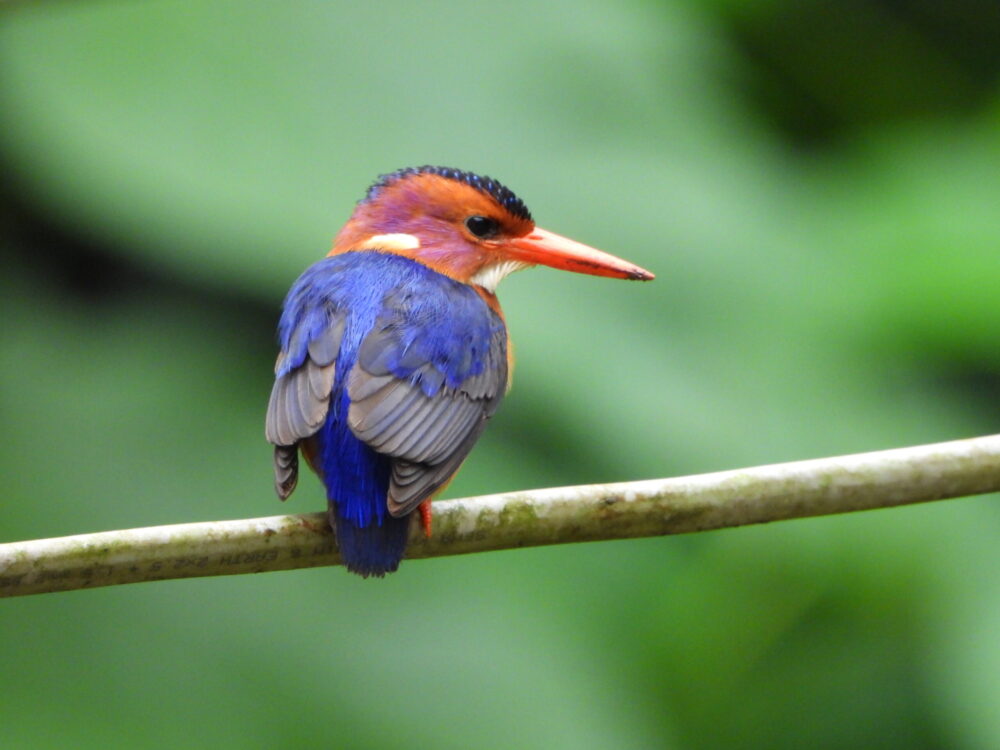
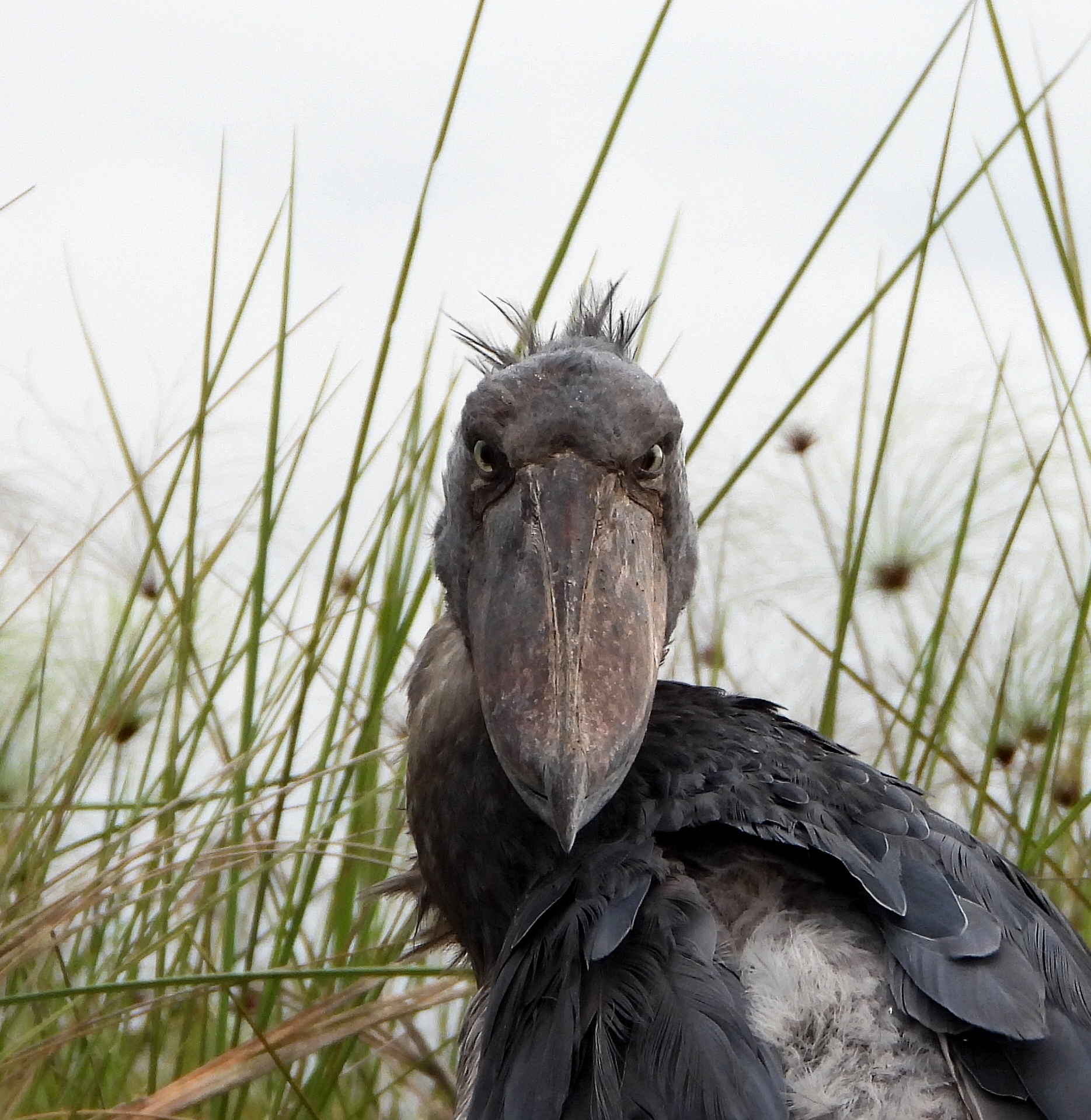
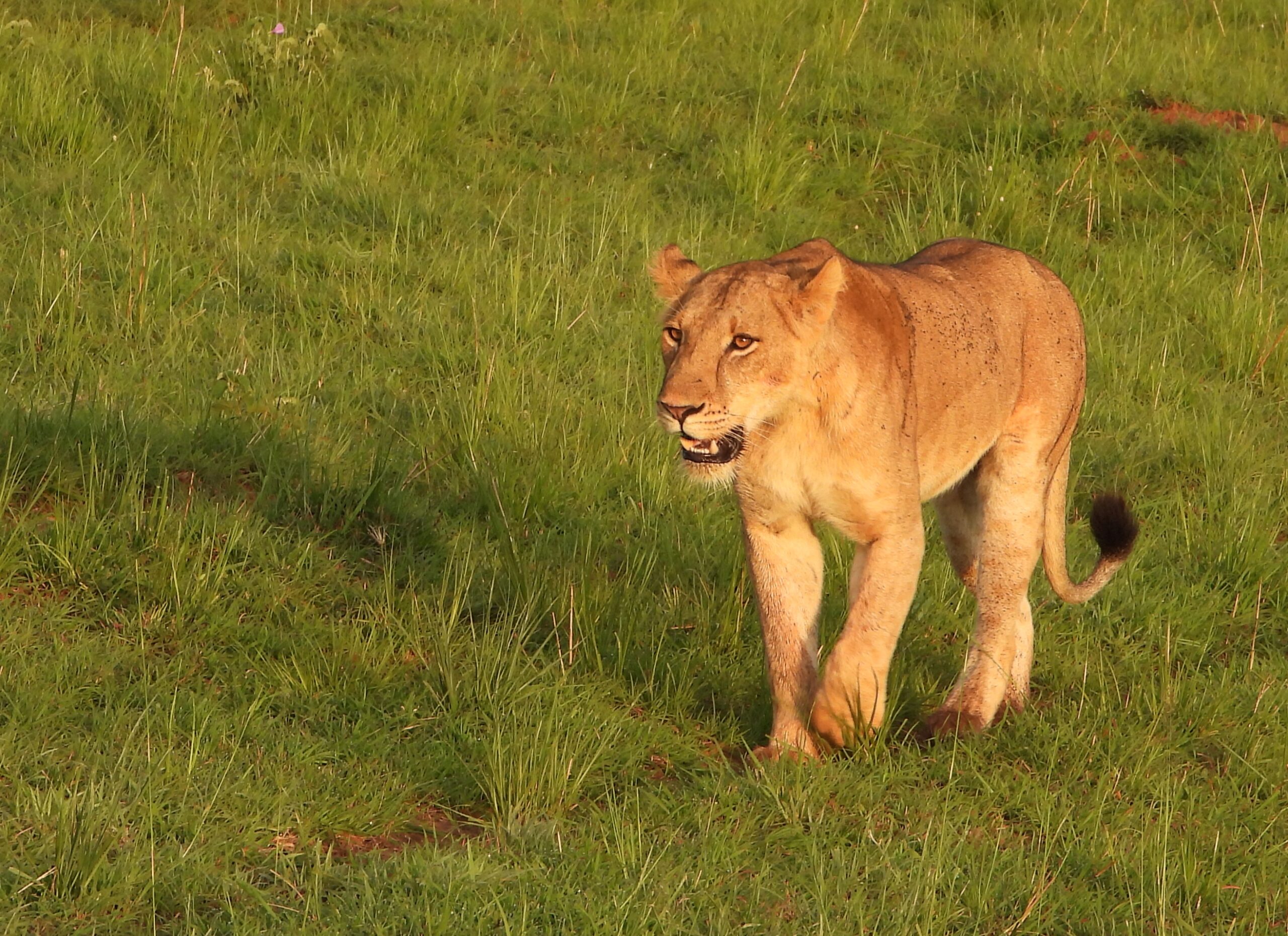
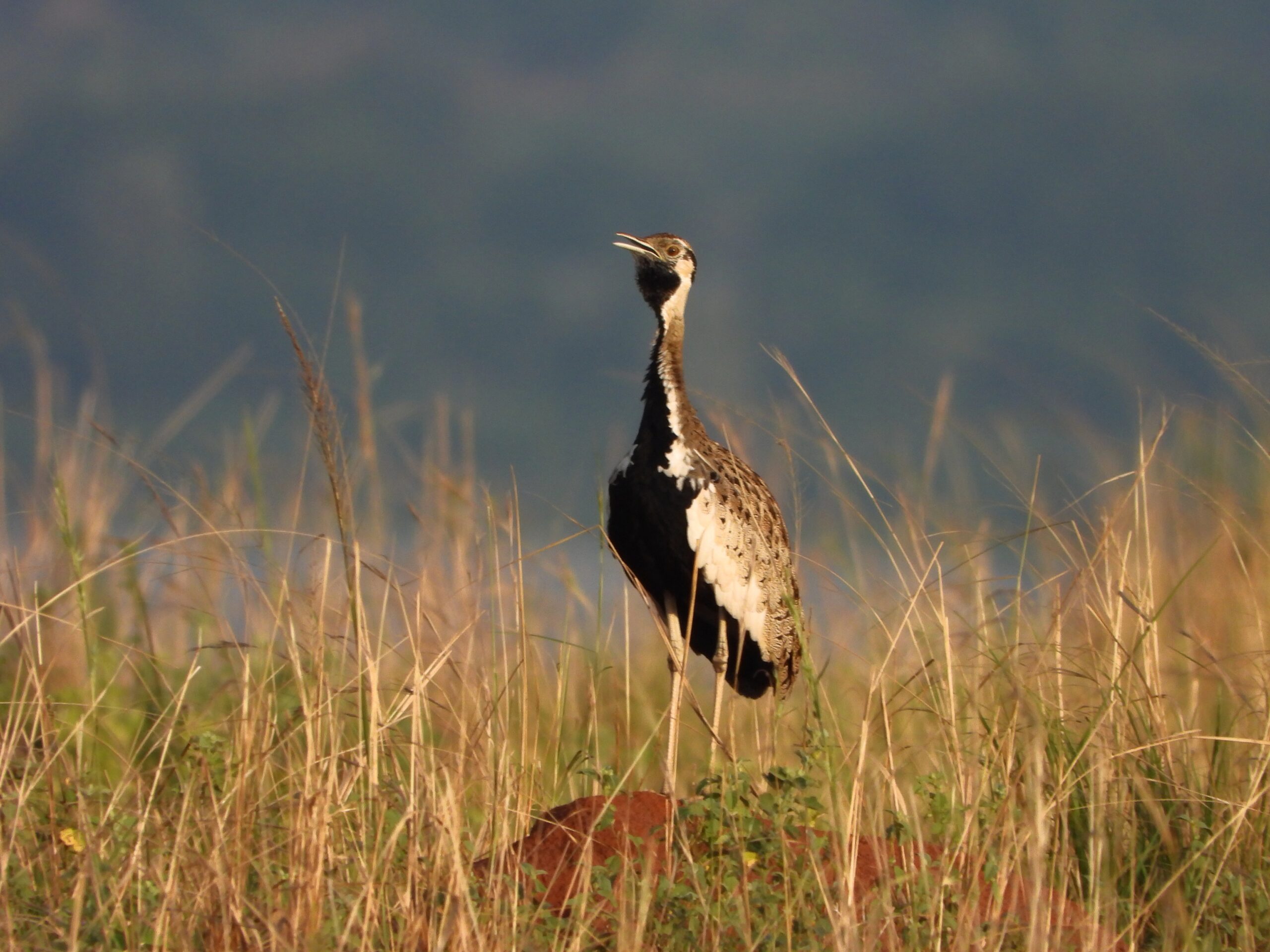
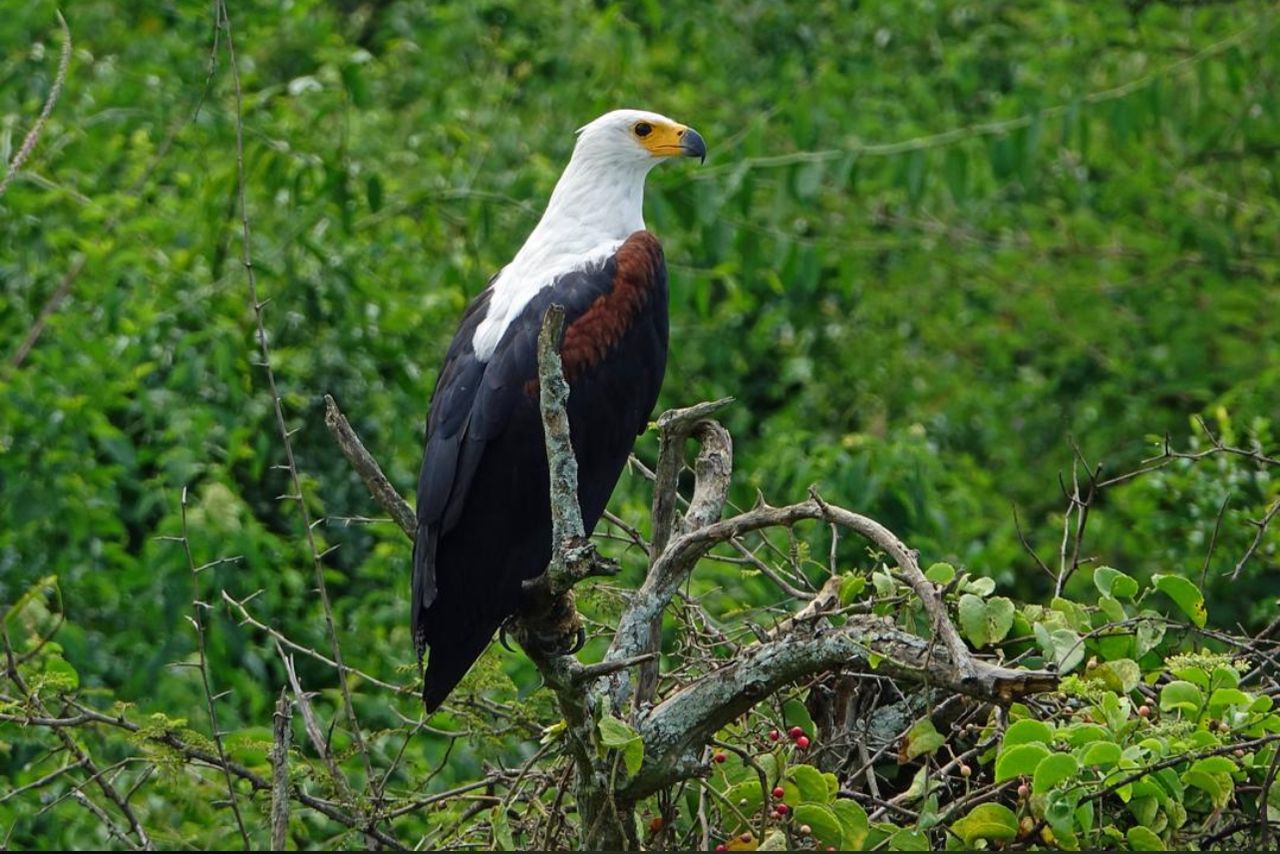
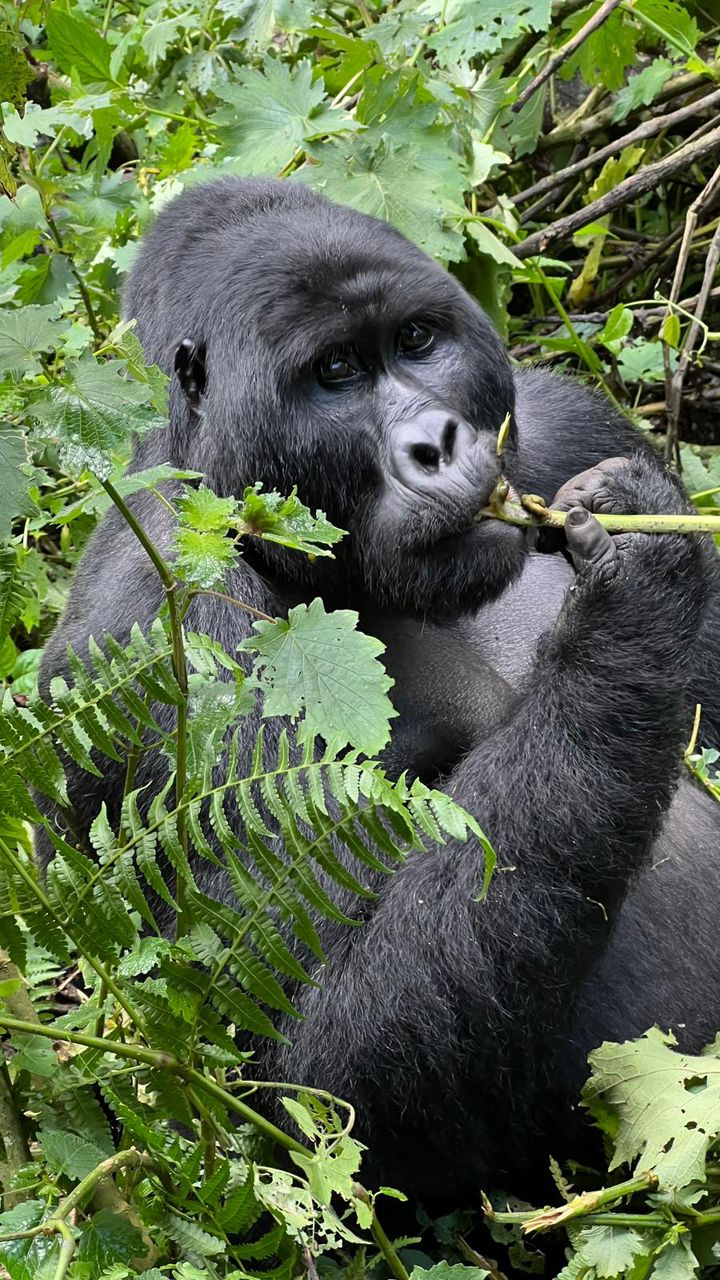
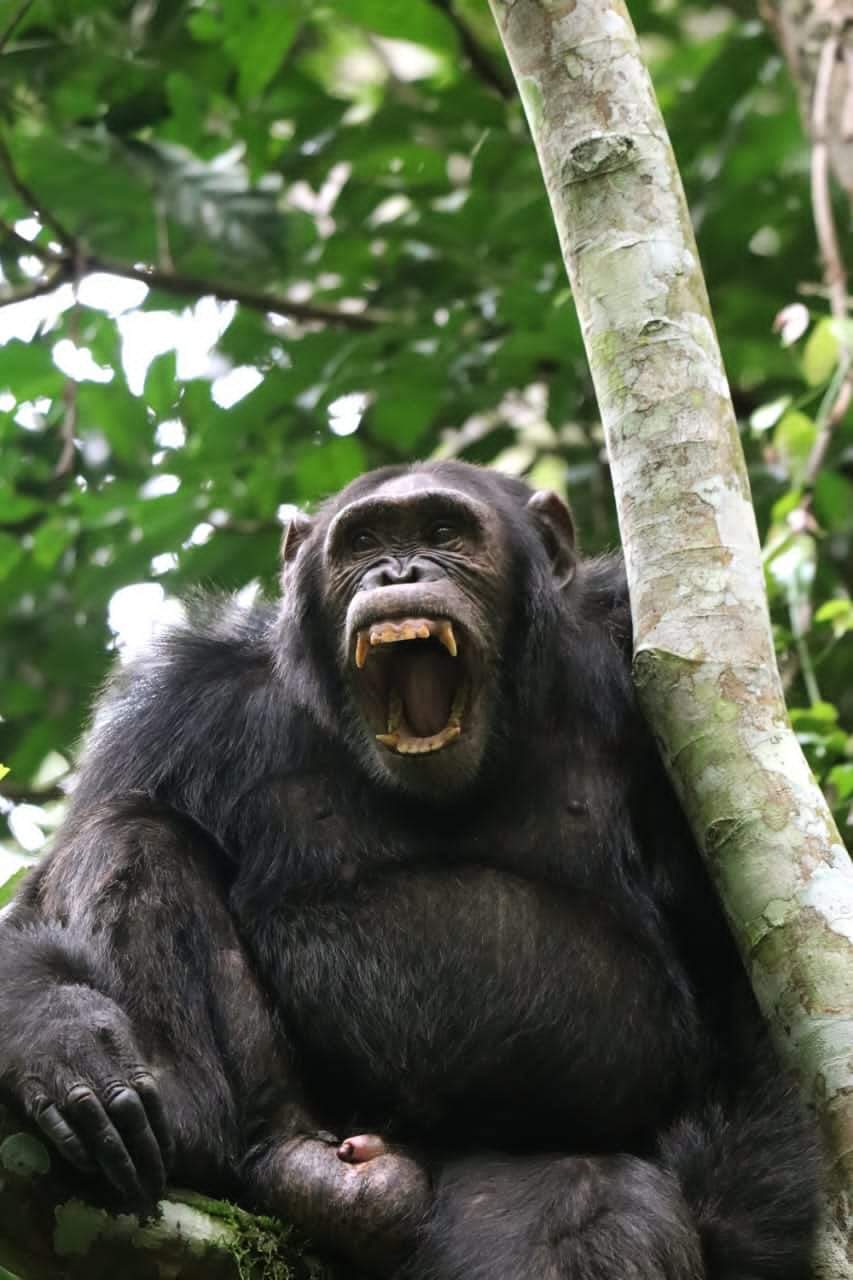
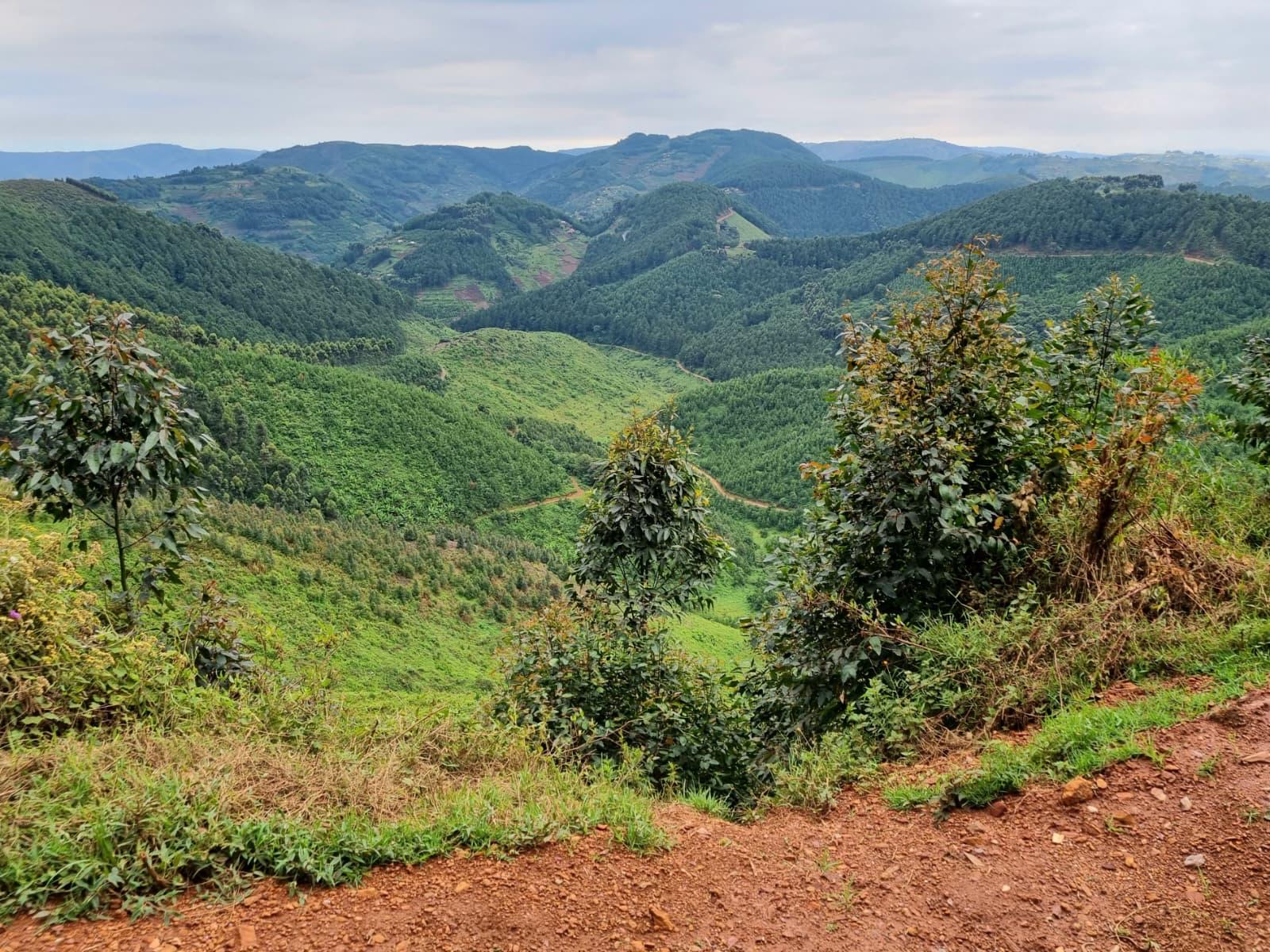
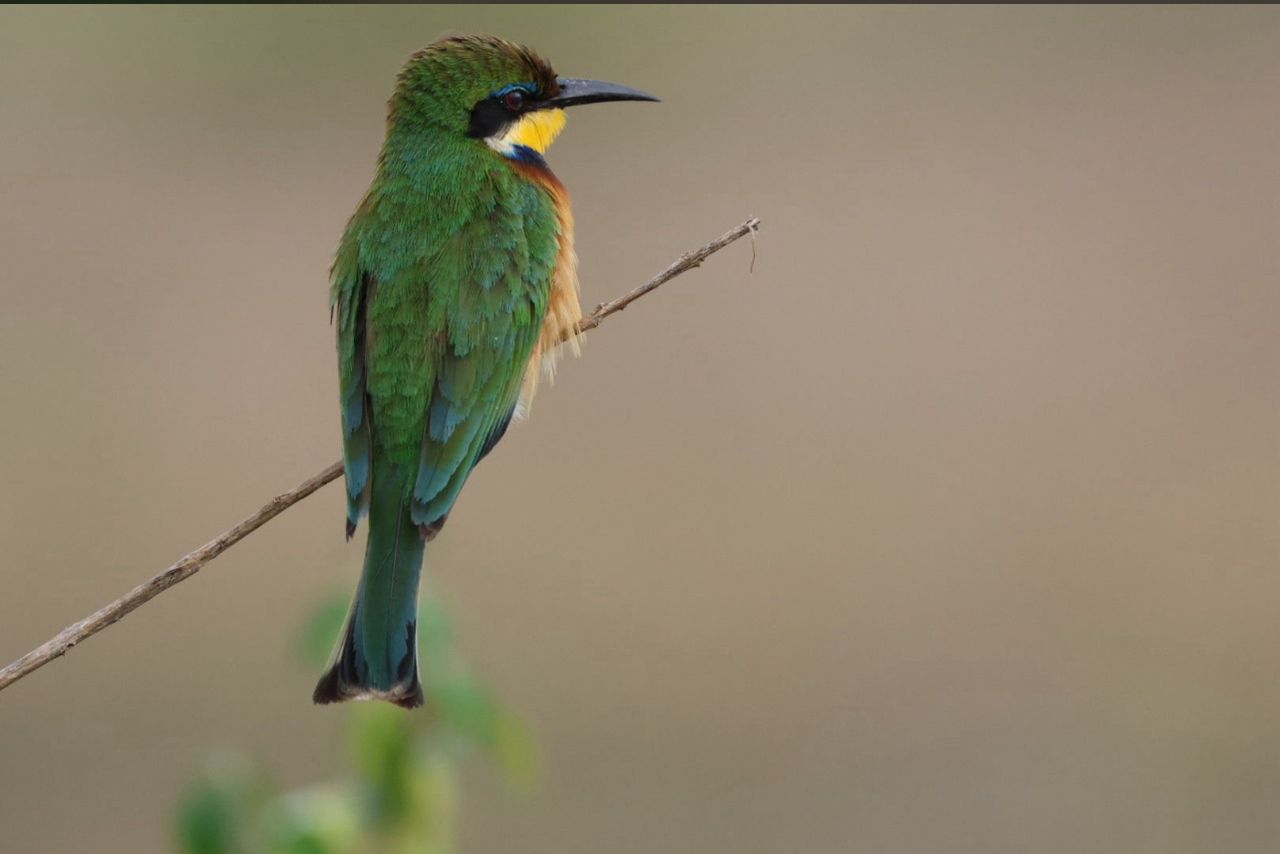
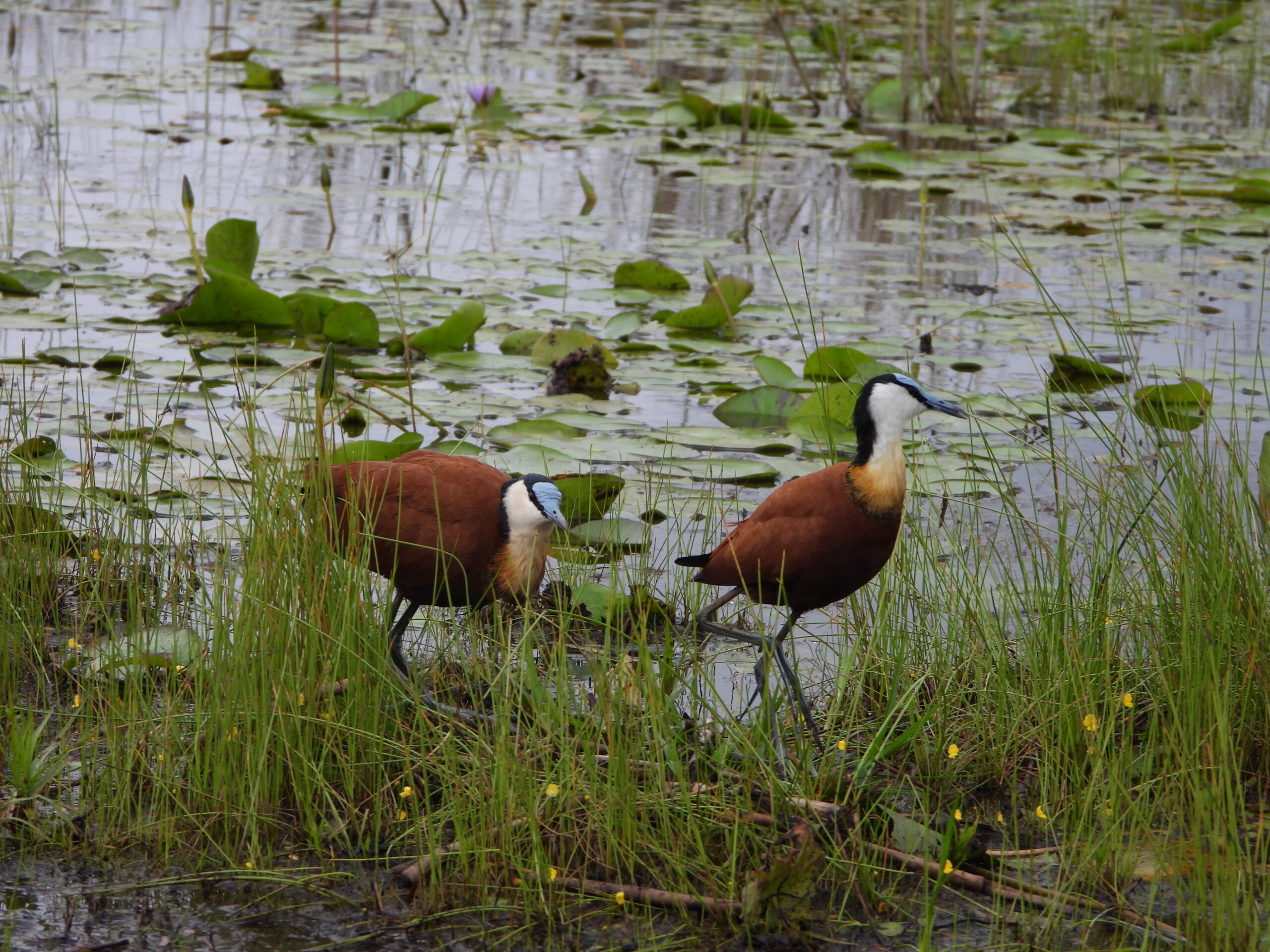
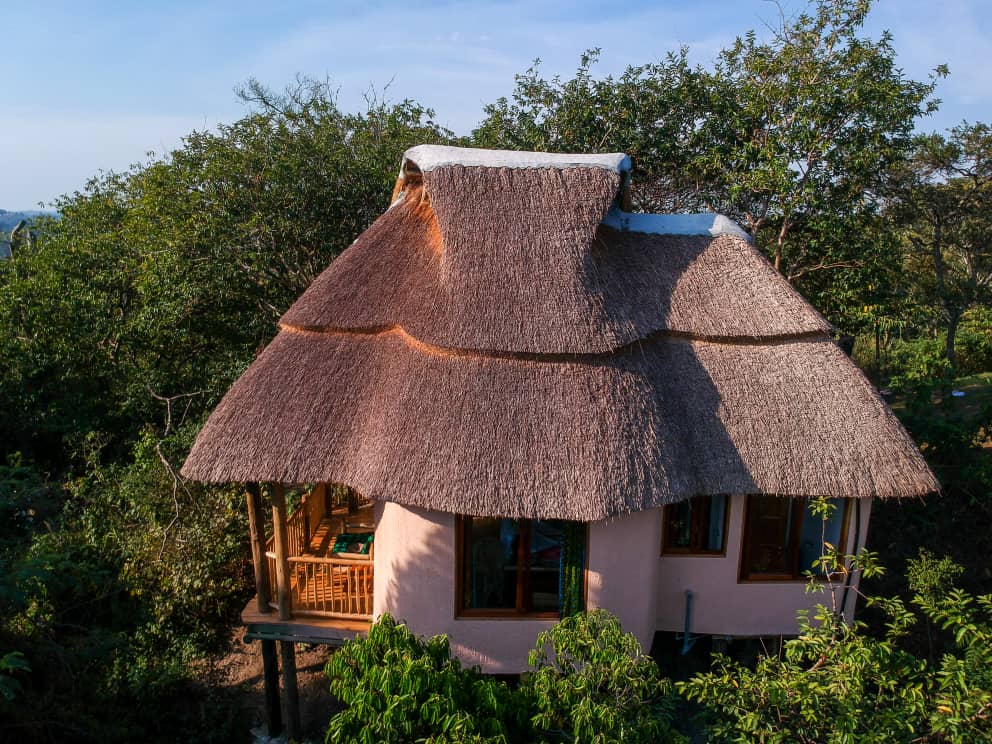
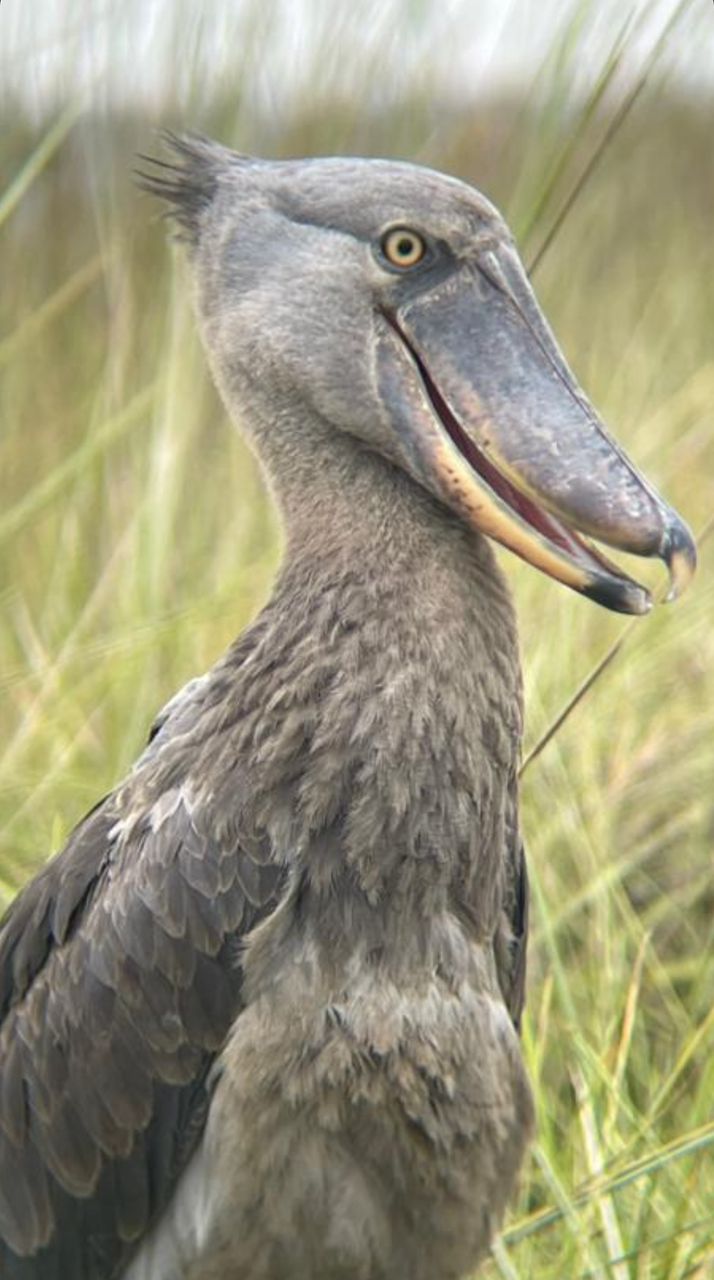
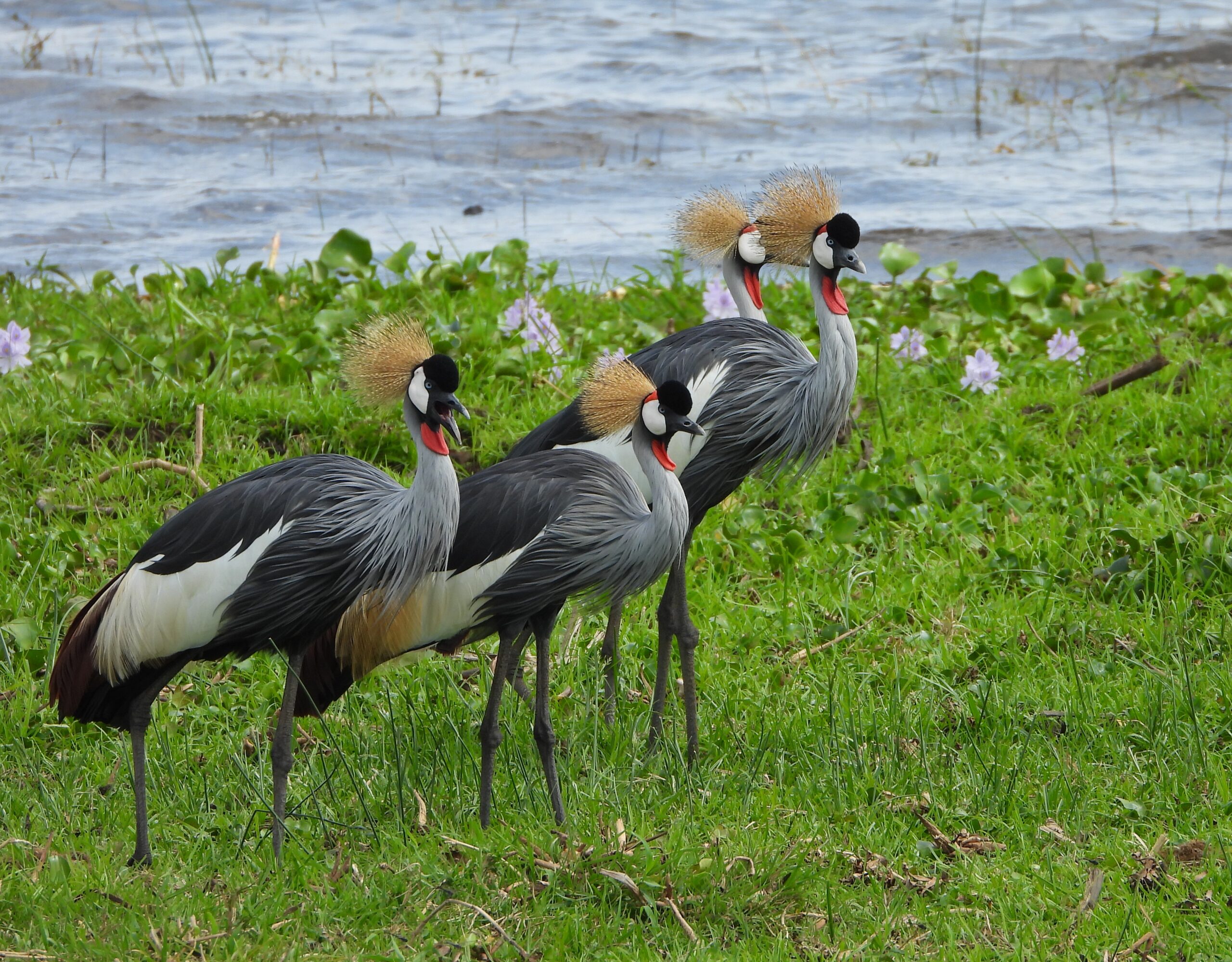
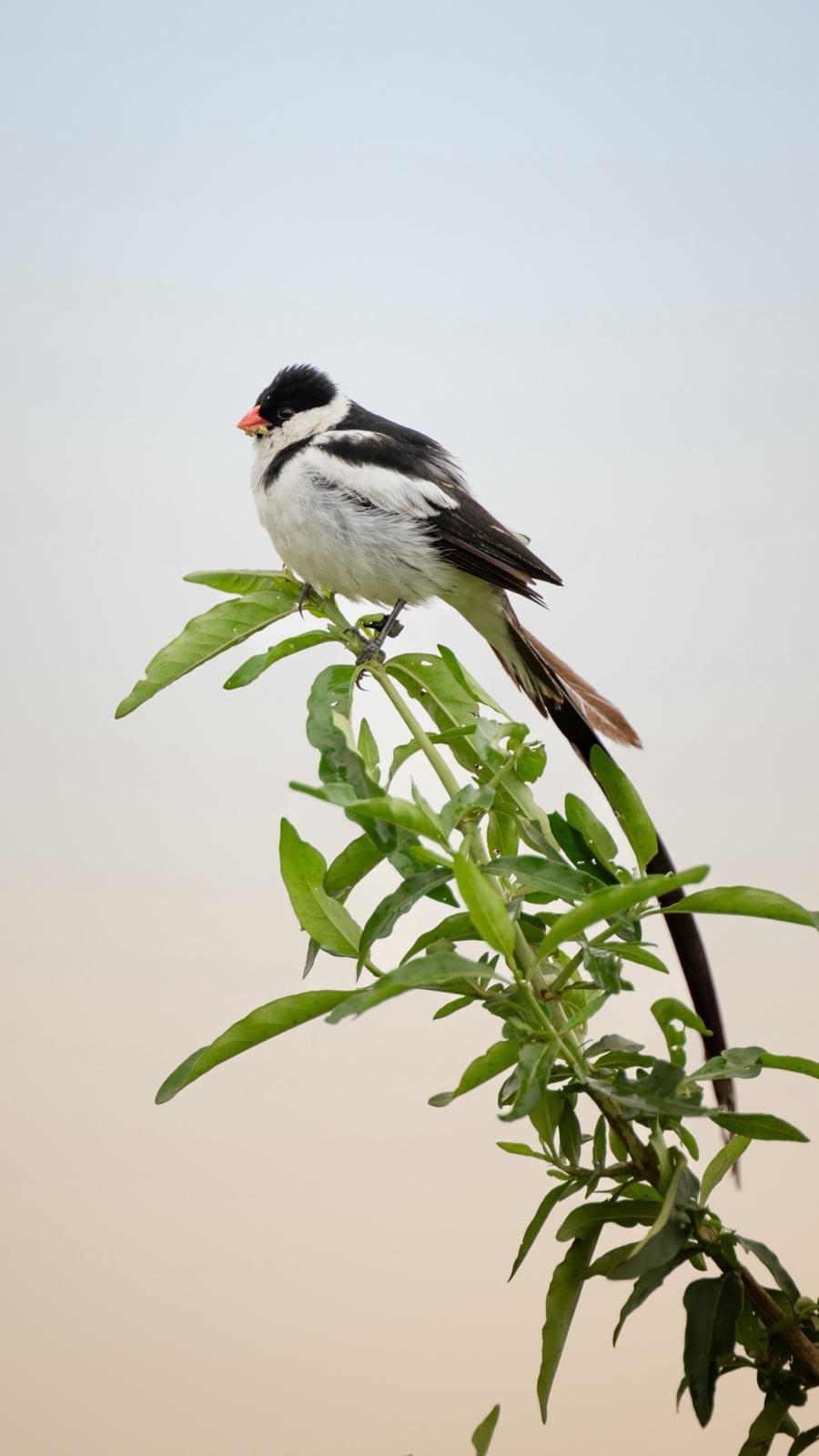
This birdwatching and wildlife safari in Uganda combines some of the country’s best destinations for spotting birds and primates. It begins in Lake Mburo National Park, continues to Bwindi Impenetrable National Park to observe species endemic to the Albertine Rift and go on a gorilla trek, and then heads to Queen Elizabeth National Park for savannah birdwatching and a boat cruise on the Kazinga Channel.
The journey continues to Kibale Forest to look for the Green-breasted Pitta and go on a chimpanzee trek, before returning to Entebbe to spot the shoebill and bring the trip to a close.
Itinerary
Arrival in Entebbe
On arrival at Entebbe International Airport, our guide will give you a warm welcome and take you to your accommodation in Entebbe, where you can rest and spend the night, getting ready for the exciting birdwatching adventure that begins the following day.
Accommodation: Oslo Gardens Hotel
Transfer to Lake Mburo National Park and an afternoon boat cruise
After an early breakfast, we depart from Entebbe and travel to Lake Mburo National Park, with opportunities for birdwatching and panoramic views of the countryside along the way.
On arrival, we will enjoy a boat cruise on Lake Mburo, with excellent opportunities to spot African fish eagles, malachite kingfishers, hippos, crocodiles and other wildlife, before continuing to the lodge for dinner and the night’s accommodation.
Accommodation: Mpogo Safari Lodge
Morning birdwatching at Lake Mburo and transfer to Bwindi – Ruhija sector
We will enjoy an early morning birdwatching session in Lake Mburo National Park, making the most of the best part of the day when bird activity is at its peak, and exploring the park’s rich savannah and wetland habitats.
After breakfast, you will set off on a scenic drive to the Ruhija sector of Bwindi Impenetrable National Park, situated at an altitude of around 2,350 metres. During the journey, you will be able to enjoy views of the countryside, arriving in the afternoon to rest, have dinner and spend the night.
Accommodation: Gorilla Mist Camp
Birdwatching in Ruhija and transfer to the Buhoma sector of Bwindi
In the morning, birdwatching in the Ruhija sector of Bwindi Impenetrable National Park, exploring the lush montane forest in search of key endemic species of the Albertine Rift and other forest birds.
After the activity, we’ll set off on a scenic transfer to the Buhoma area, a journey of approximately 5–6 hours, with stops for birdwatching in various habitats along the way. We’ll arrive in the afternoon, check in at our accommodation, rest, and spend the night.
Accommodation: Buhoma Community Rest Camp
Gorilla trekking and an optional Batwa cultural experience in the afternoon
We will enjoy a unique mountain gorilla trekking experience in the Buhoma sector of Bwindi Impenetrable National Park.
In the afternoon, you have the option of taking part in a Batwa cultural experience, where you will meet the local community and learn about their traditional way of life in the forest, their music and their cultural heritage.
Accommodation: Buhoma Community Rest Camp
Morning birdwatching around the lodge, followed by a transfer to Queen Elizabeth National Park via the Ishasha area
We will enjoy an early morning birdwatching session around the lodge. Afterwards, we will take a scenic drive to Queen Elizabeth National Park via the Ishasha area, known for its tree-climbing lions and rich savannah birdlife.
Arrive in the afternoon to rest and, if you wish, go on an optional birdwatching trip near the lodge.
Accommodation: Kazinga Wilderness Camp
Early morning birdwatching on the Kasenyi plains and an afternoon cruise on the Kazinga Channel
Early in the morning, go birdwatching on the Kasenyi Plains within Queen Elizabeth National Park, exploring the savannah in search of various waterbird and grassland species.
In the afternoon, a boat cruise along the Kazinga Channel, famous for its large numbers of hippos, crocodiles and a wide variety of waterbirds.
Accommodation: Kazinga Wilderness Camp
Birdwatching en route and transfer to Kibale Forest National Park
After breakfast, we’ll go birdwatching in the morning along the road in Queen Elizabeth National Park, looking for species we haven’t seen before.
Next, a scenic drive to Kibale Forest National Park, taking approximately 2–3 hours, with opportunities for birdwatching en route along the Kasese–Fort Portal road. Arrival in the afternoon to rest and spend the night near the forest.
Accommodation: Nkuruba Lodge
Birdwatching in the morning —green-breasted pitta— and chimpanzee trekking in the afternoon
After breakfast, head into Kibale Forest for an early morning birdwatching session in search of the green-breasted pitta.
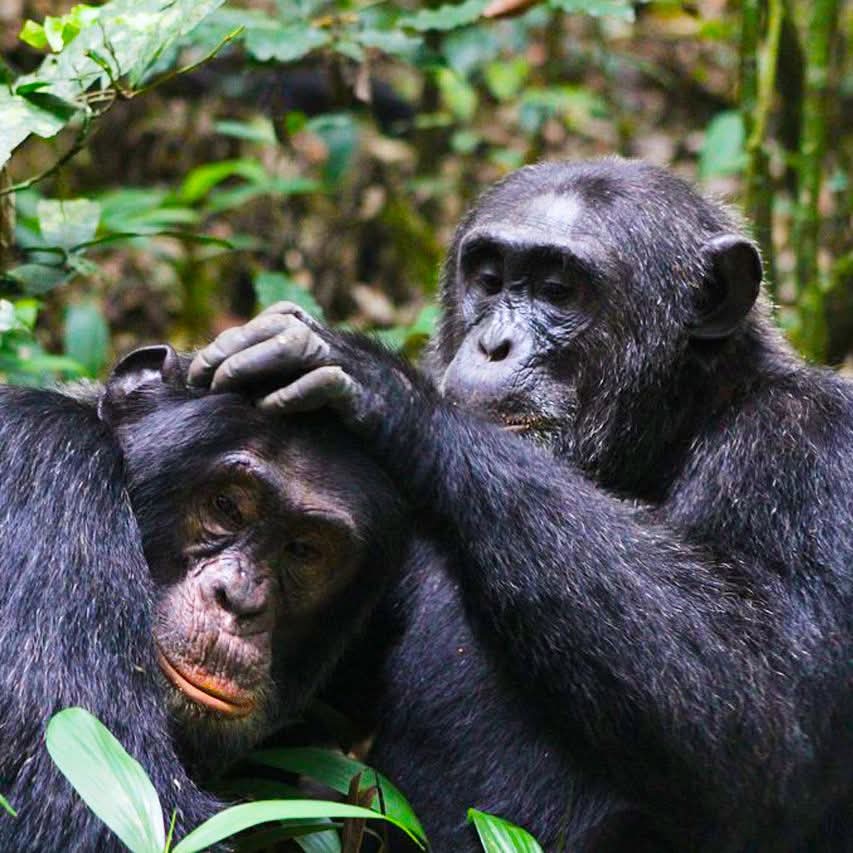
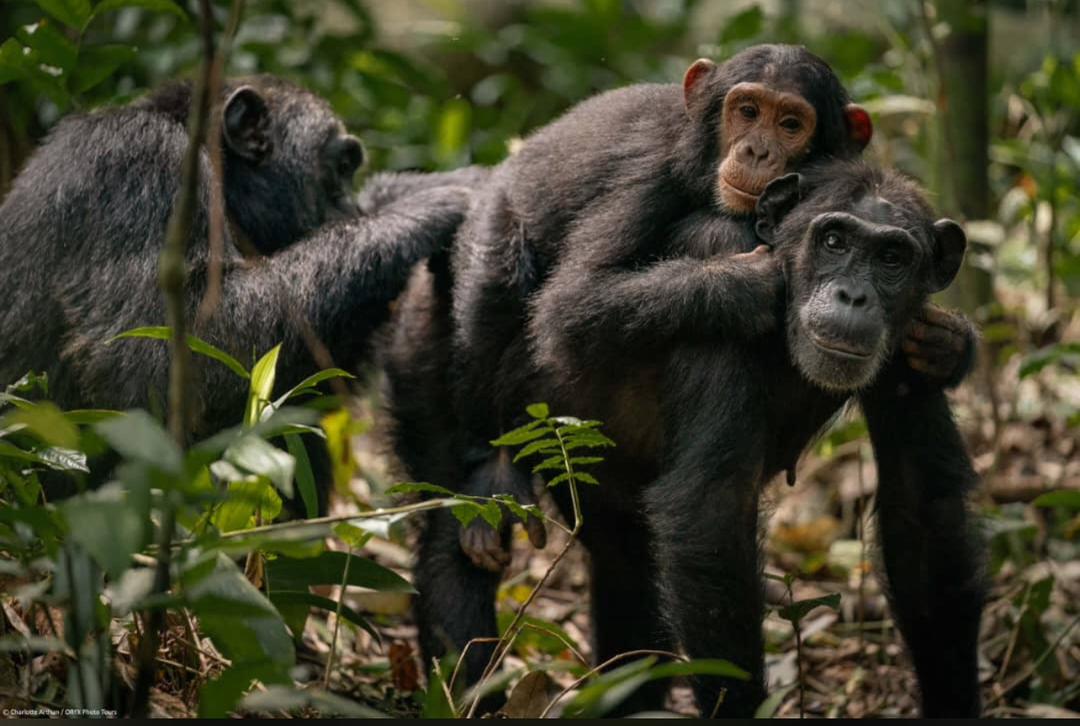
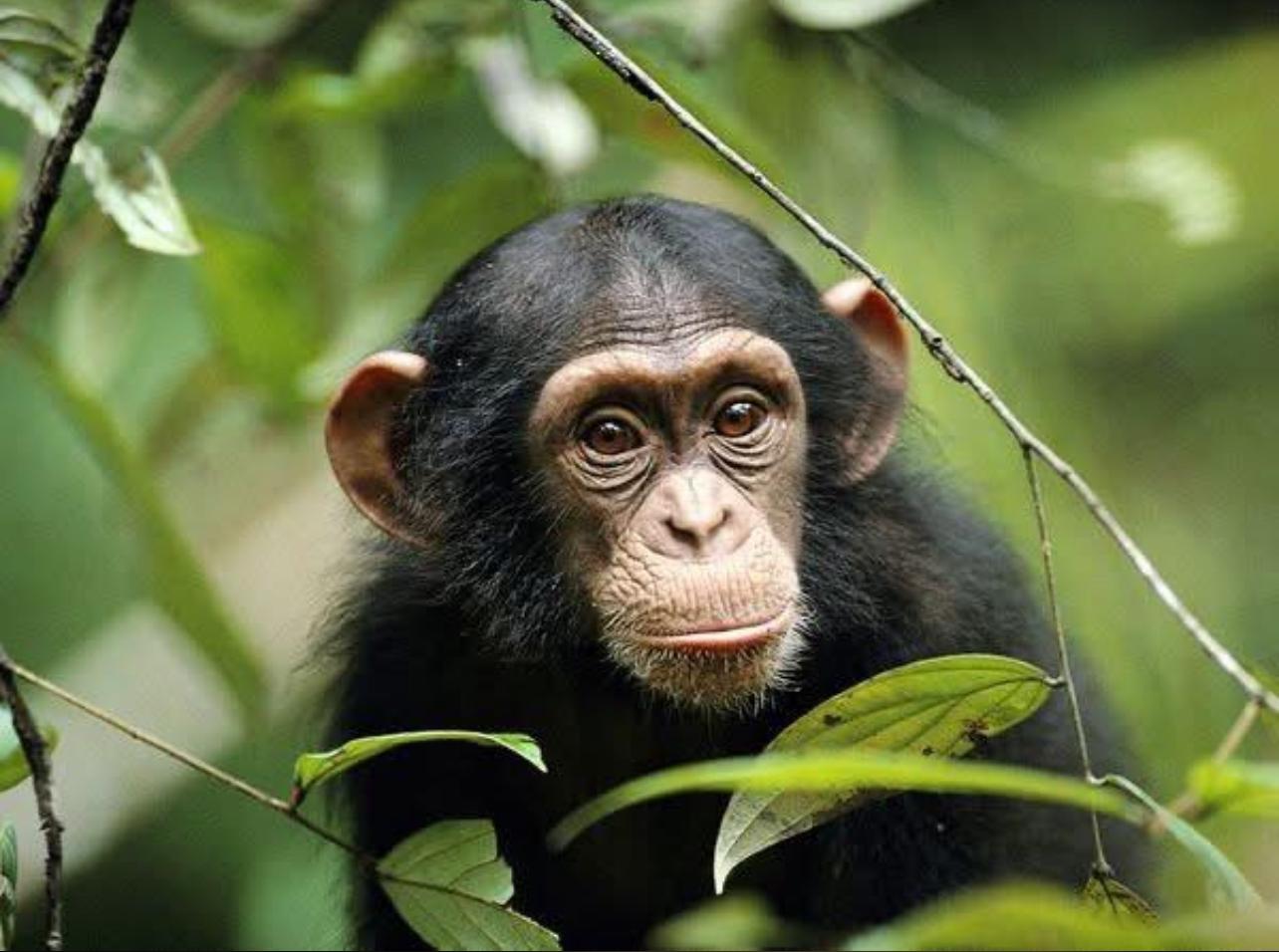
In the afternoon, go on a chimpanzee trekking expedition in the park. Later, begin the return journey to Kampala, stopping for birdwatching along the way, arriving in the late afternoon or early evening.
Accommodation: Nkuruba Lodge
Transfer to Entebbe and an afternoon visit to see the shoebill
After an early breakfast, we’ll leave Lake Mburo National Park and head to Entebbe, with opportunities for birdwatching along the way.
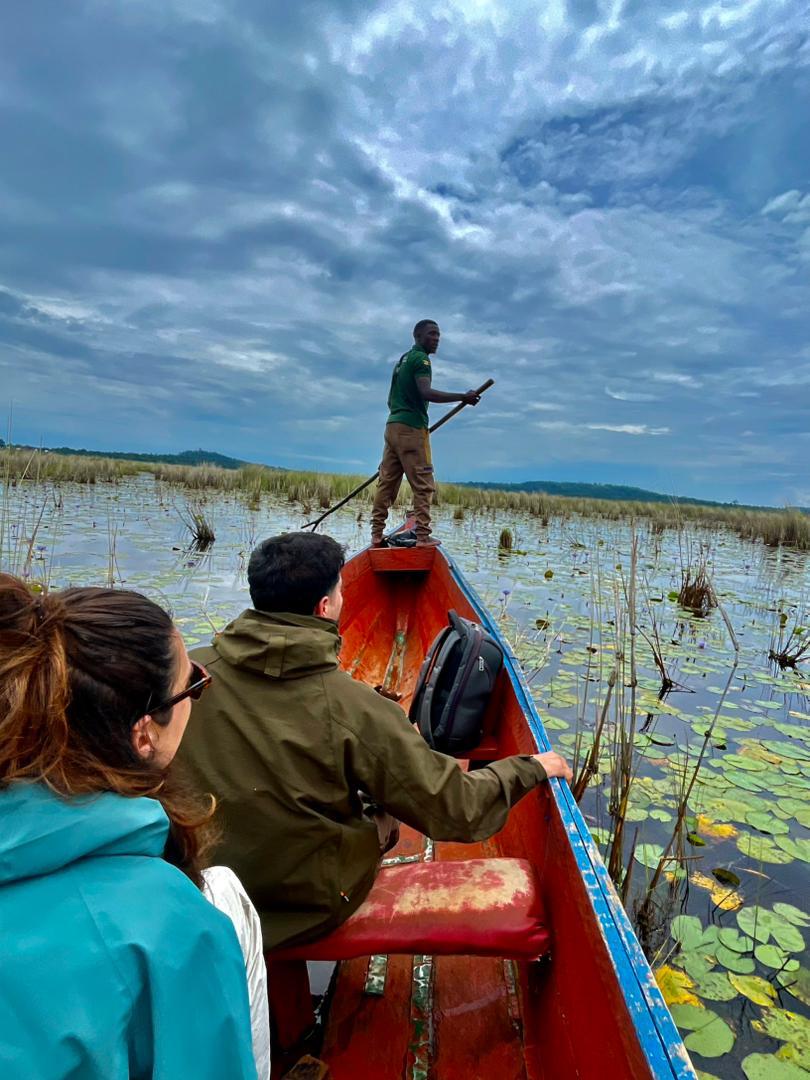
On arrival, we’ll head to Mabamba Reservoir for an afternoon canoe trip in search of the iconic shoebill stork and a wide variety of wetland birds. Afterwards, we’ll return to our accommodation for dinner and the night.
Accommodation: Oslo Gardens Hotel
Morning visit to the Botanical Gardens and a free afternoon to explore the city
After breakfast, a guided tour of the Entebbe Botanical Gardens, an ideal spot for birdwatching and nature walks.
The afternoon is free, giving you time to rest or take a stroll around Entebbe and enjoy the lakeside atmosphere. Afterwards, return to your accommodation to freshen up and get ready for the transfer to Entebbe International Airport, with the flight departing at 00:05.
Included/Not included
Included
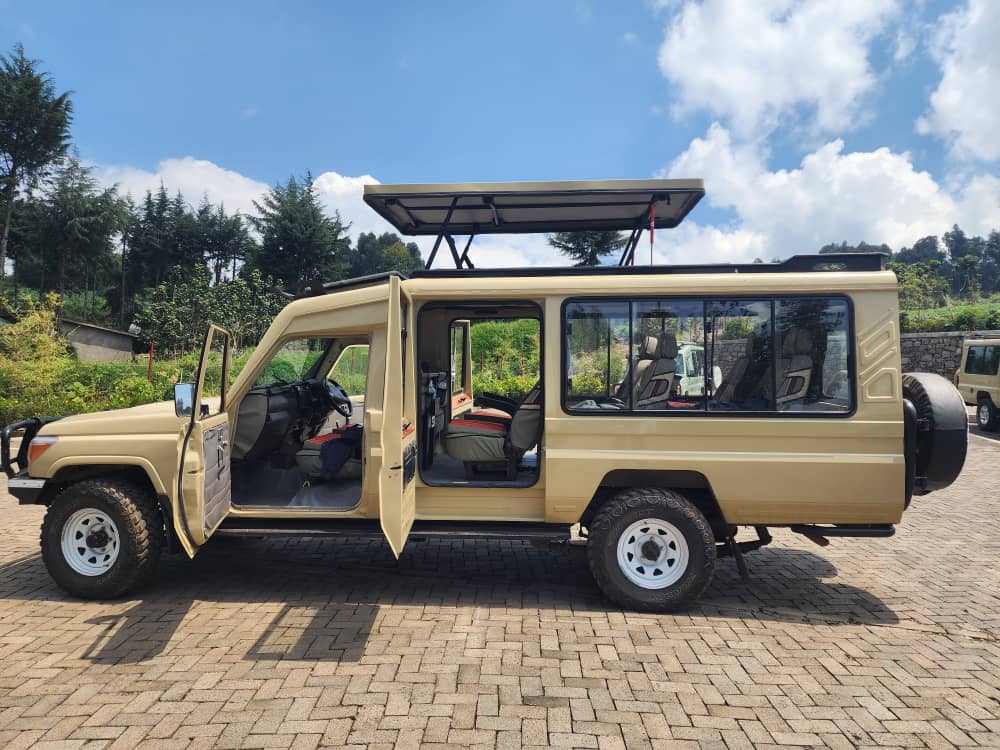
- 4x4 safari vehicle
- Tour guide during the trip
- Accommodation
- Full board
- Park tickets
- Gorilla trekking (US$800 per person)
- Chimpanzee trekking (US$300 per person)
- Boat fares
Not included
- International flight (check prices).
- Drinks and personal expenses
Recommendations
International flights to and from Uganda are not included in the tour price and must be arranged independently by each participant.
We recommend arriving at Entebbe International Airport in the morning or early afternoon on the first day of your trip to allow plenty of time for airport formalities and any subsequent connections.
For the return journey, we recommend booking flights in the late afternoon or evening on the last day of your trip, so that you have plenty of time for your planned activities and the transfer to the airport.
Participants are encouraged to share their flight details in advance so that transfers and travel arrangements can be properly coordinated.
November is a wonderful time to visit Uganda, especially for photography.
The country is lush and green following the seasonal rains, offering beautiful landscapes, vibrant woodland scenery and excellent photo opportunities. Temperatures are generally pleasant, ranging from 15 °C to 28 °C, depending on the altitude and location.
The early morning hours in Bwindi, Mgahinga and Kibale can be chilly, so it is advisable to bring a light fleece or a warm jacket for gorilla tracking, chimpanzee tracking and birdwatching excursions.
There may be occasional rain, particularly in the rainforest regions, so we strongly recommend that you bring waterproof clothing and protection for your camera equipment.
Generally speaking, November offers excellent conditions for photographing wildlife, primates, birds and landscapes throughout Uganda.
For this photo safari, we recommend wearing comfortable clothing suitable for outdoor activities in neutral colours (green, brown or khaki).
A lightweight waterproof jacket is essential, as there may be occasional showers, particularly in the rainforest regions of Bwindi, Mgahinga and Kibale.
We strongly recommend wearing sturdy, waterproof hiking boots for gorilla and chimpanzee treks and forest walks, where the trails can be steep, muddy and slippery.
Mornings and evenings can be chilly, especially at higher altitudes, so it is advisable to bring a light fleece or a warm jacket.
Photographers should also bring rain covers for their cameras and lenses, a hat to protect themselves from the sun, and insect repellent for activities in wetlands and wooded areas.
You need to know
To ensure the best possible wildlife viewing and photography experience, participants are asked to keep conversation to a minimum during tracking walks, birdwatching walks and wildlife viewing activities.
Communication between participants, guides and tour leaders should be conducted in a calm and respectful manner to avoid disturbing the animals and to maximise opportunities to observe natural behaviour and take photographs.
The guides will provide important instructions throughout the tour, and it is essential that you follow their instructions at all times for your own safety, the welfare of the wildlife and the overall success of the experience.
During breaks and transfers, there will be plenty of opportunities to discuss sightings, photography techniques and plans for upcoming activities.
The land of gorillas, chimpanzees and the shoebill
11 days
Per person
5.516€/person (4 people)
If the maximum group size is not reached, the trip may still go ahead subject to payment of a supplement.
Frequently Asked Questions
How physically demanding are the trekking activities involved in gorilla and chimpanzee watching?
Gorilla and chimpanzee trekking involves walking through woodland terrain that can sometimes be steep, muddy and uneven.
The duration of each tour varies depending on the location of the animals and can range from one to several hours.
Participants should be reasonably fit and feel comfortable walking in natural surroundings.
Our guides and park rangers will ensure that the pace is suitable for the group and will provide assistance where necessary.
What photography equipment should I bring?
We recommend bringing a digital single-lens reflex (DSLR) or mirrorless camera, a telephoto lens, spare batteries, memory cards, a waterproof camera case and a lightweight tripod if you wish.
Lenses with focal lengths of 70–200 mm or 100–400 mm are particularly useful for photographing gorillas and chimpanzees.
A wide-angle lens is also recommended for landscape and environmental photography.
As there is a chance of rain in forested areas, it is essential to have waterproof protection for your equipment.
What sort of weather can I expect during the trip?
Uganda enjoys a pleasant climate all year round.
In November, temperatures are generally pleasant, although mornings in higher-altitude areas such as Bwindi, Mgahinga and Kibale can be cool.
There may be occasional rain, particularly in the rainforest regions, resulting in lush, green landscapes and excellent conditions for photography.
We recommend wearing lightweight waterproof clothing and sturdy walking shoes.
Why is Uganda considered one of the best destinations for nature photographers?
Uganda offers an exceptional combination of mountain gorillas, chimpanzees, golden monkeys, rare bird species, spectacular landscapes and classic African wildlife.
Few destinations in Africa offer such a wide variety of photographic opportunities within a single itinerary.
From the misty rainforests of Bwindi and Kibale to the wetlands of Mabamba and the savannahs of Queen Elizabeth National Park, photographers can capture an extraordinary variety of subjects whilst enjoying wildlife viewing experiences that are relatively uncrowded.