
COLOMBIA
Large Birds of Prey in Colombia: Harpy Eagle, Condors and Forest Eagles
8–19 January 2027
- 8 to 19 January 2027
- Colombia
- Maximum 6 people
- Reasonably fit
- 4.950€
Summary
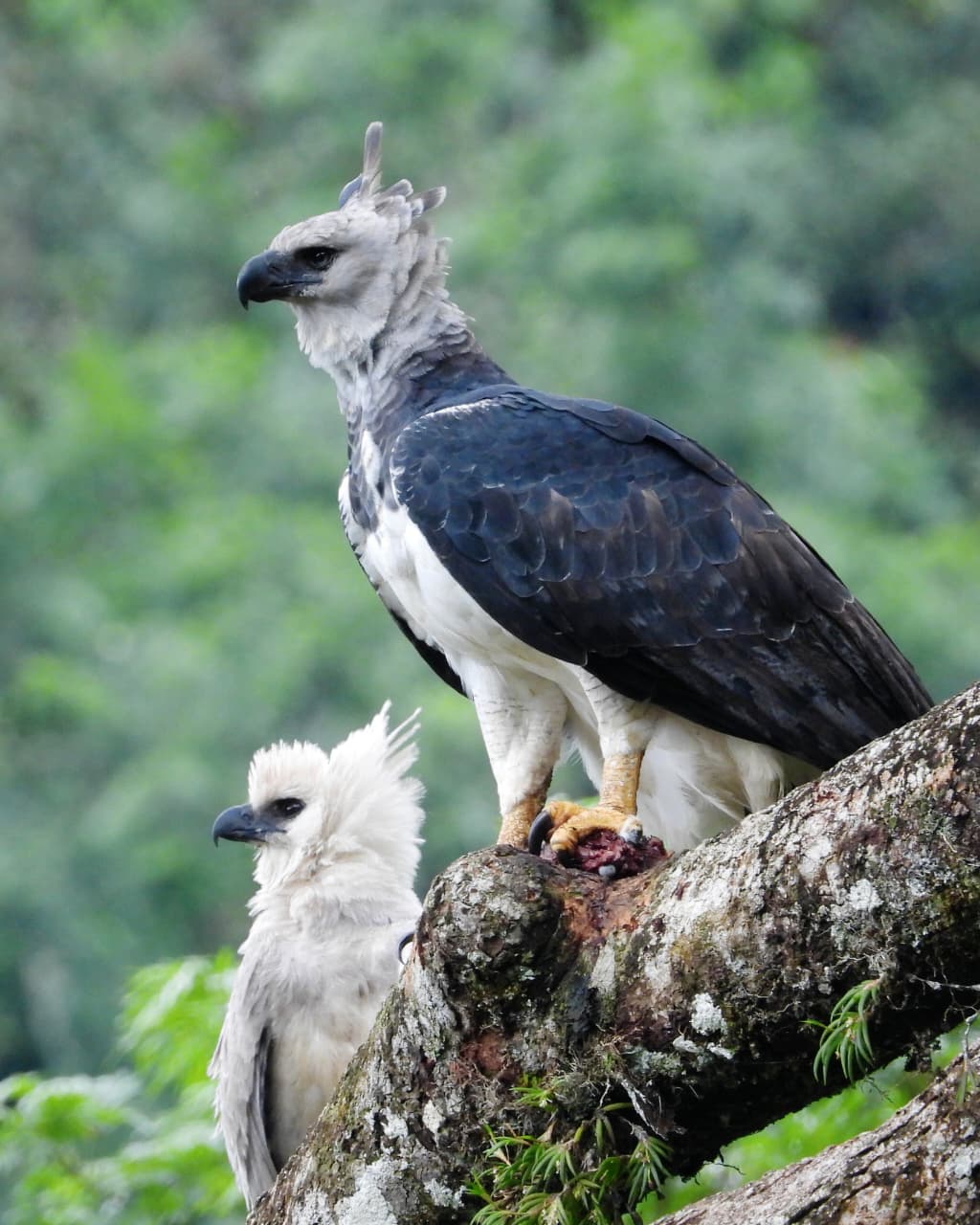
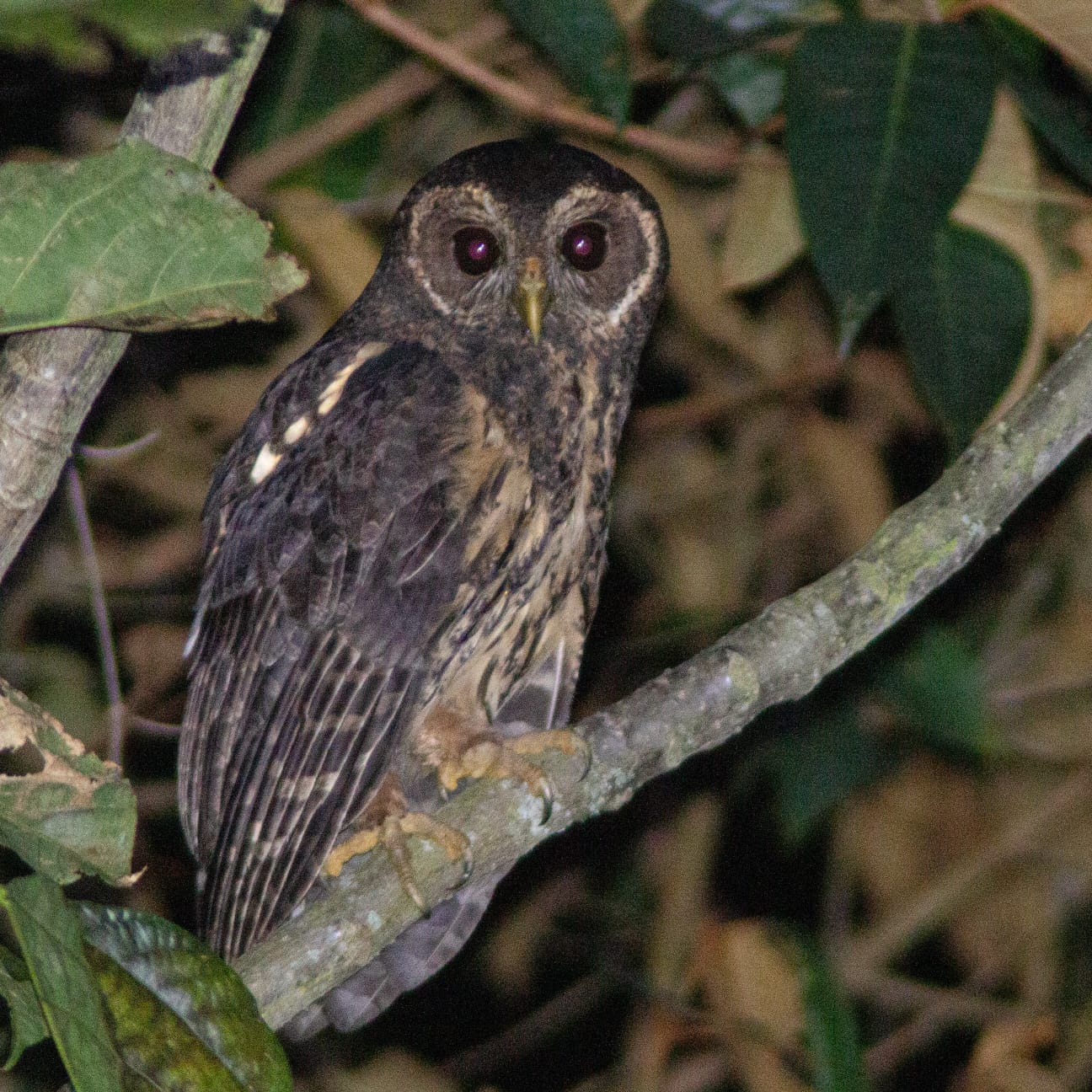
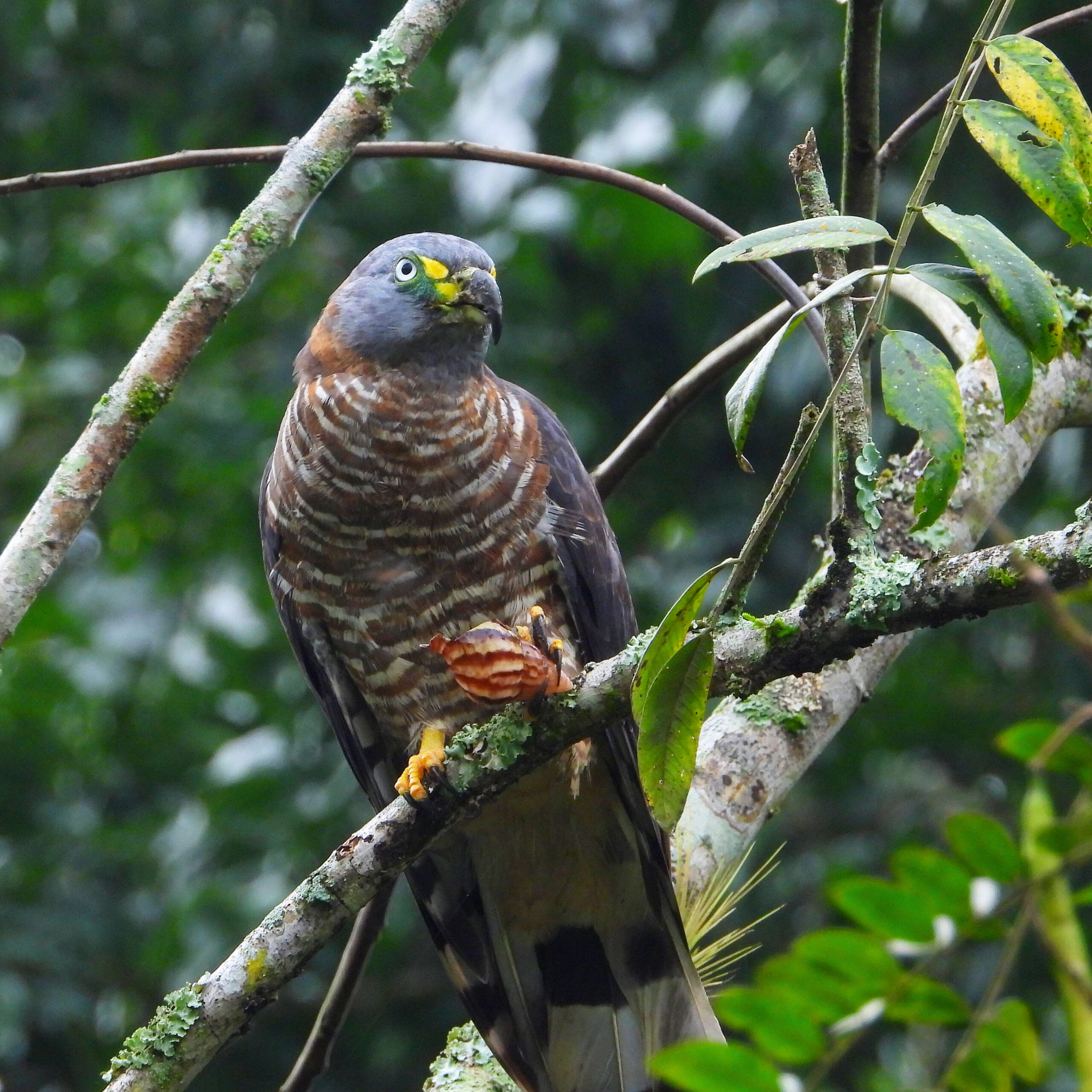
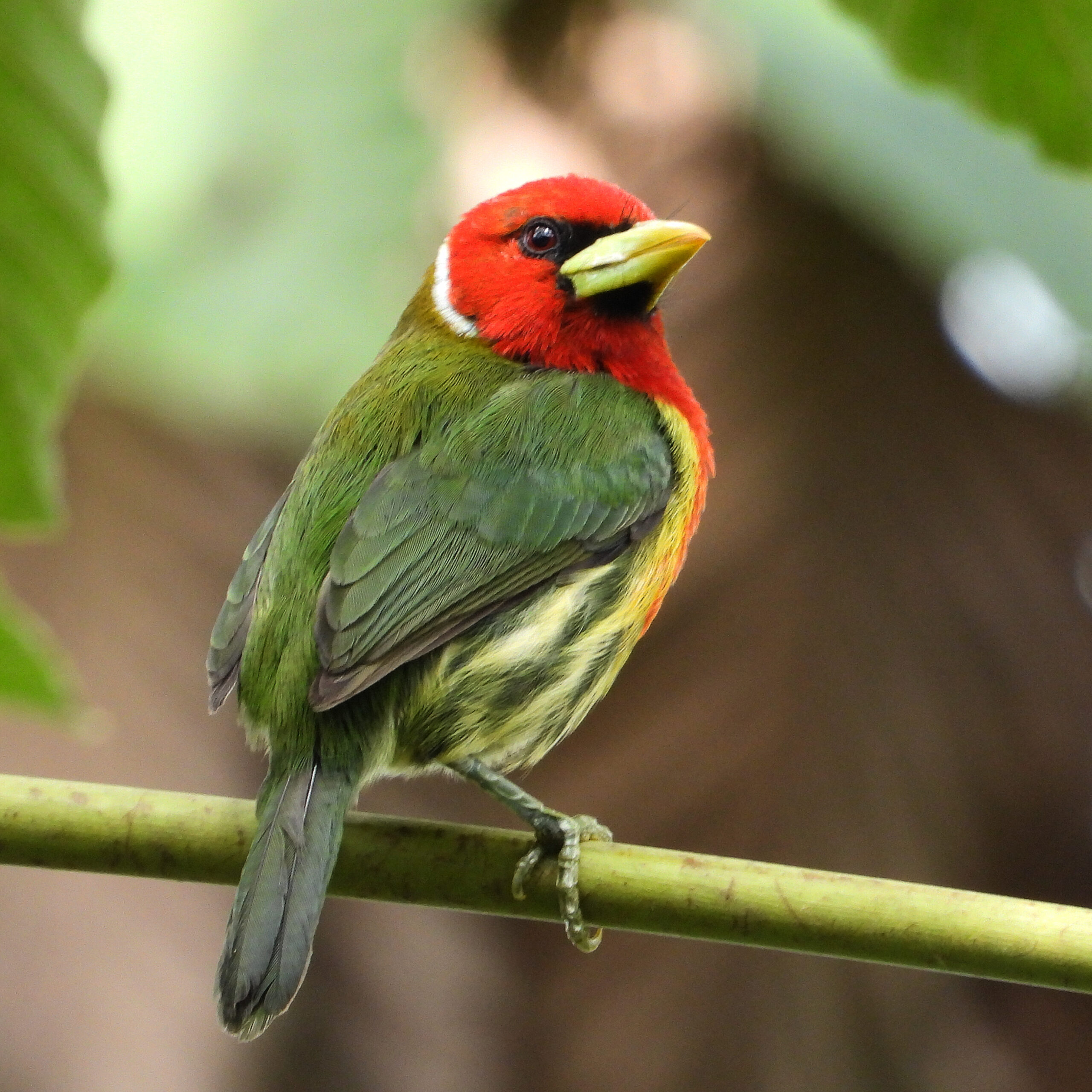
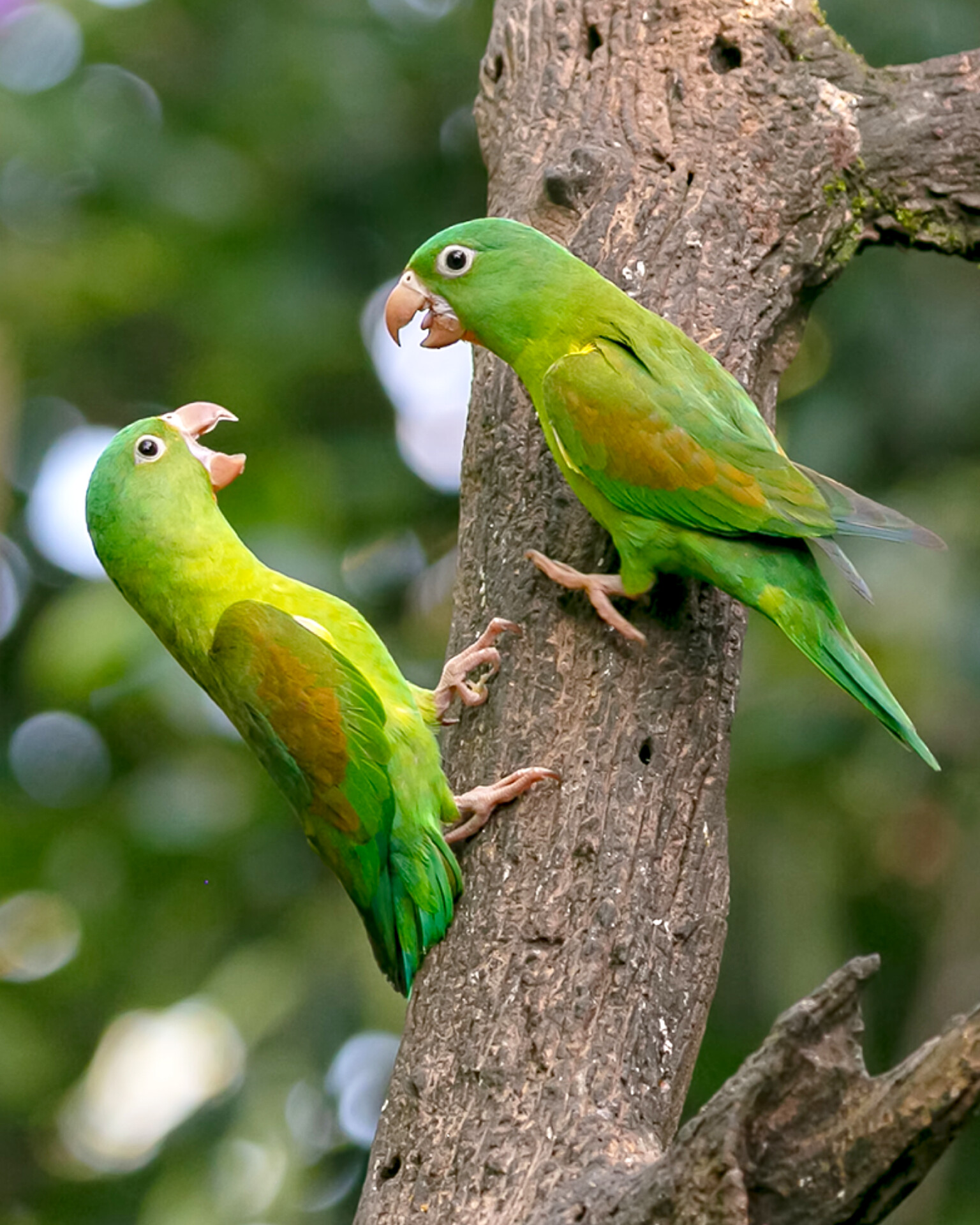
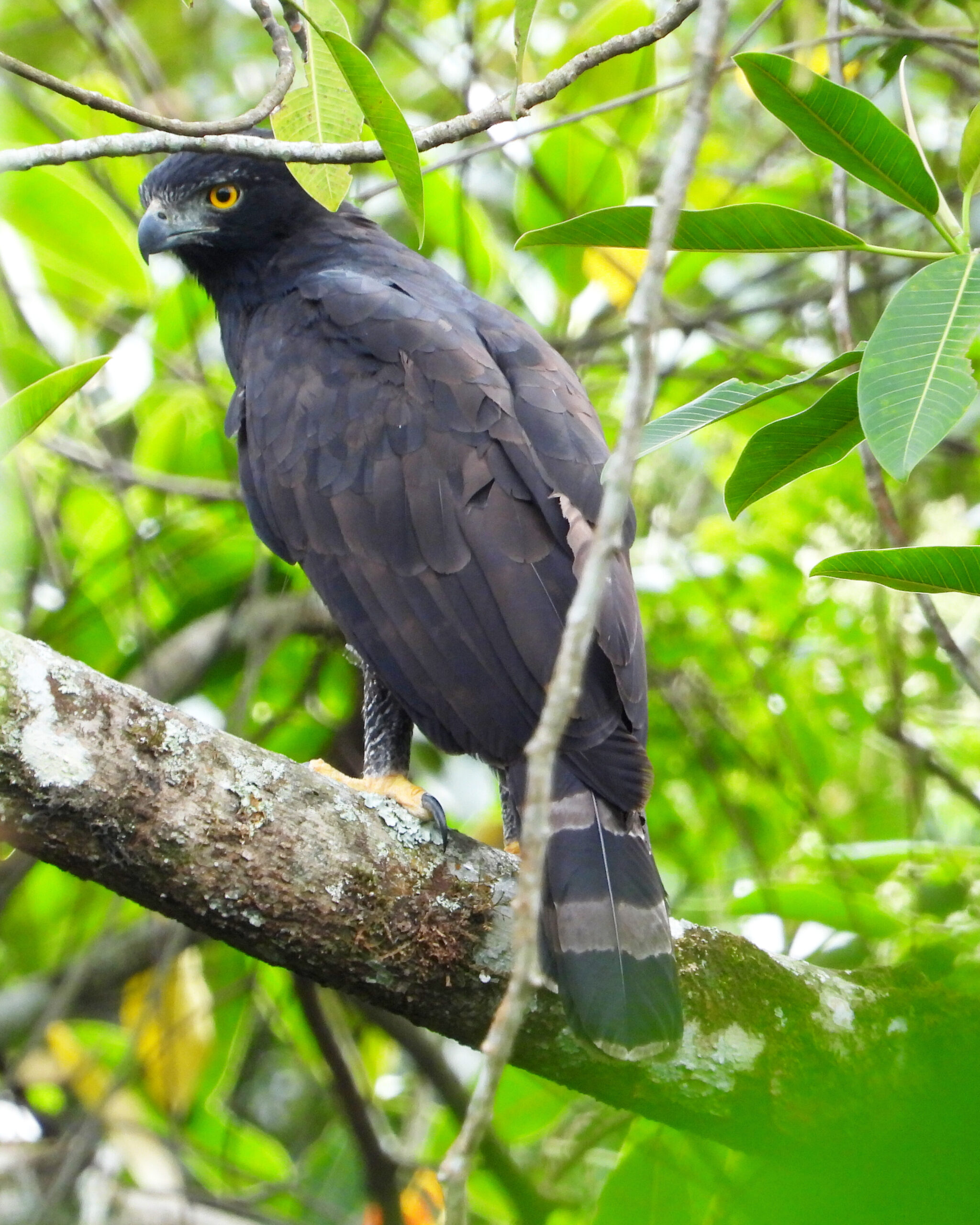
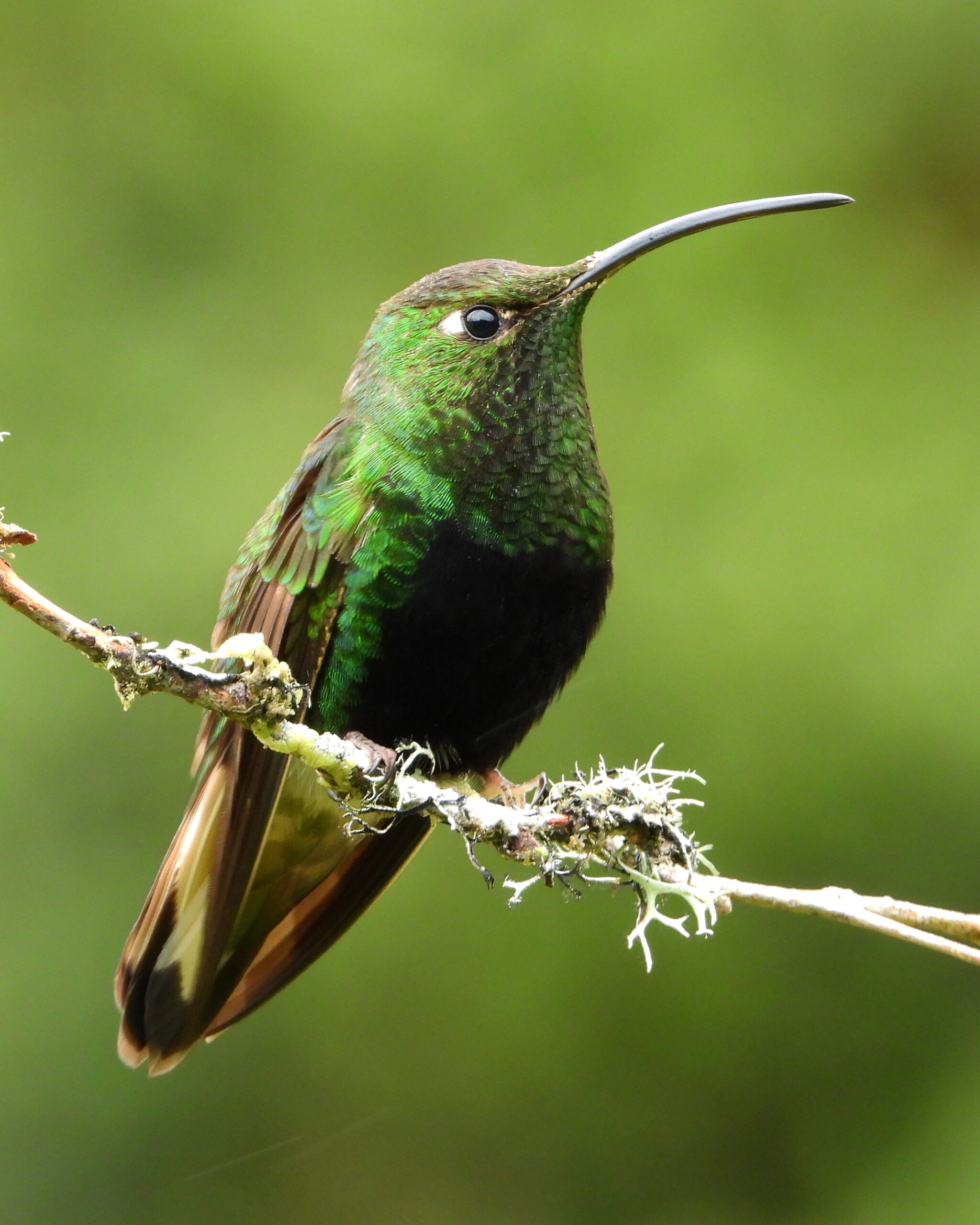
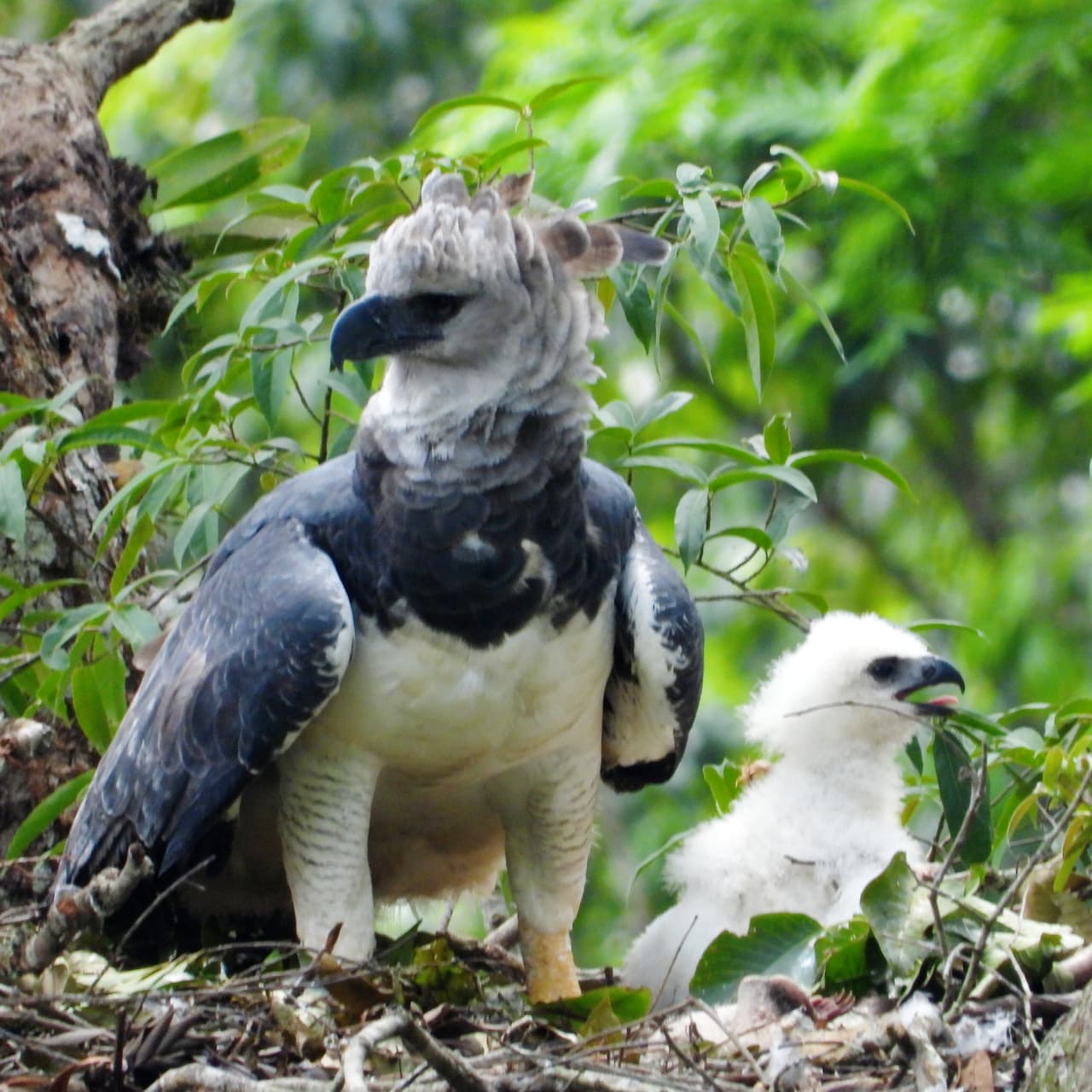
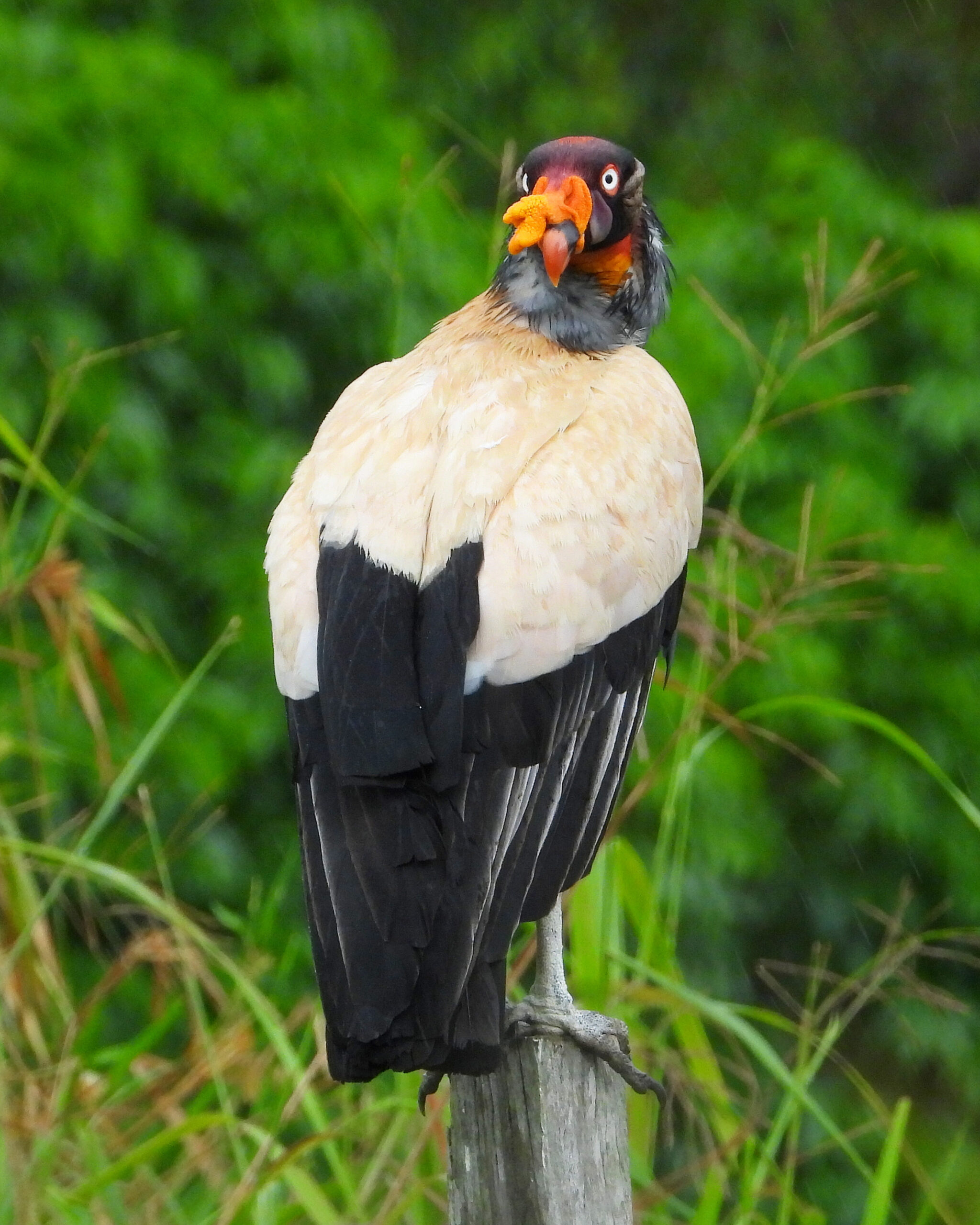
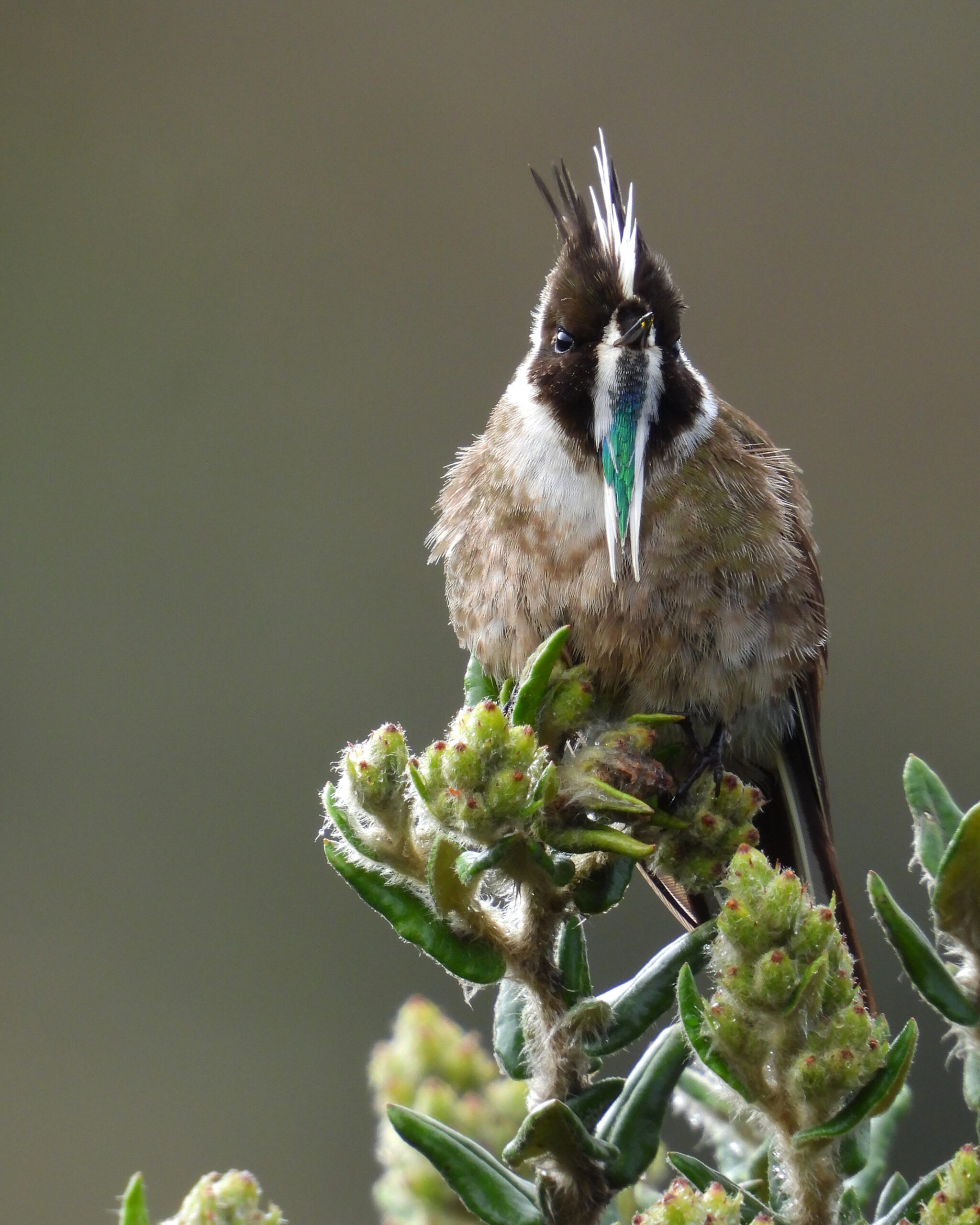
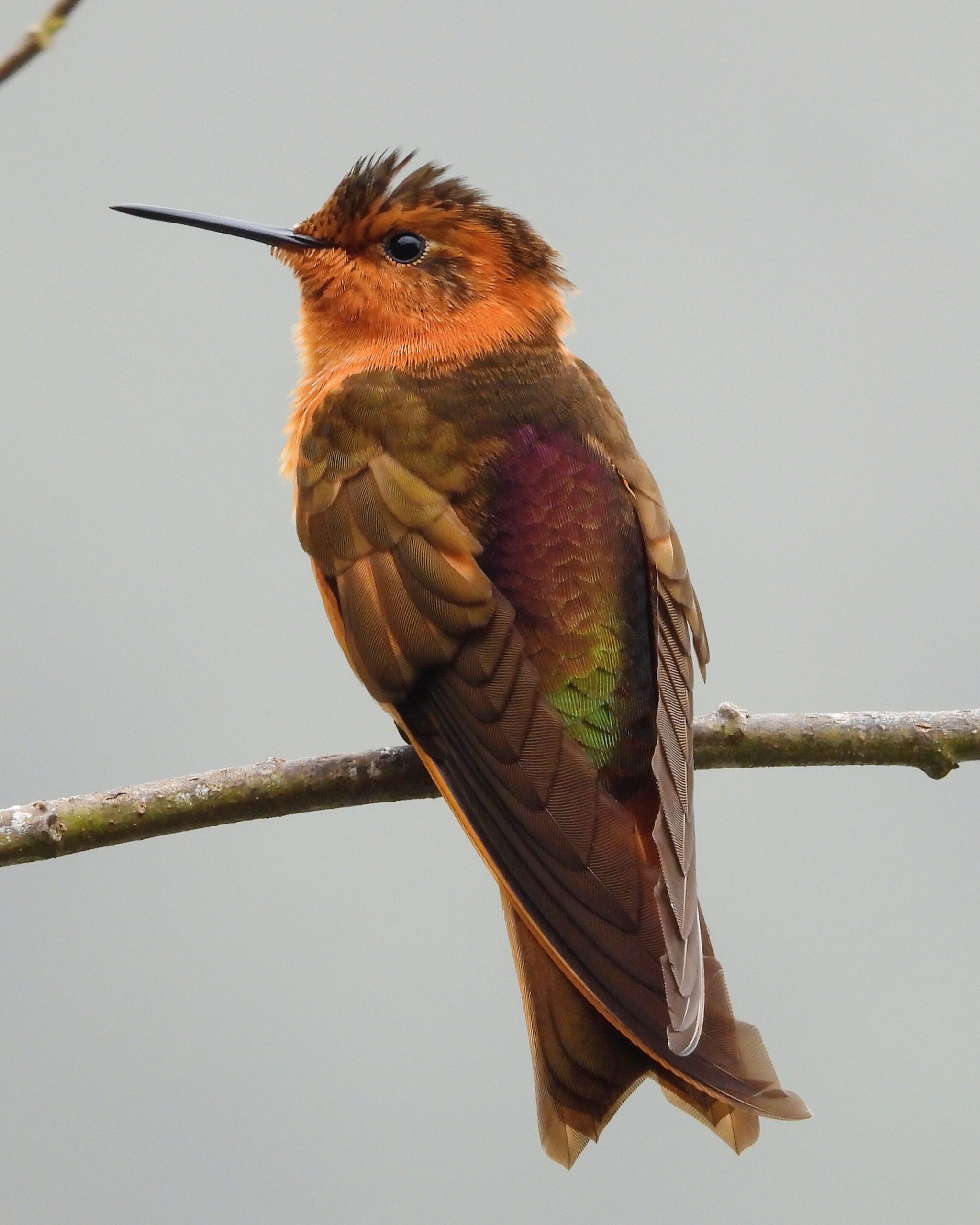
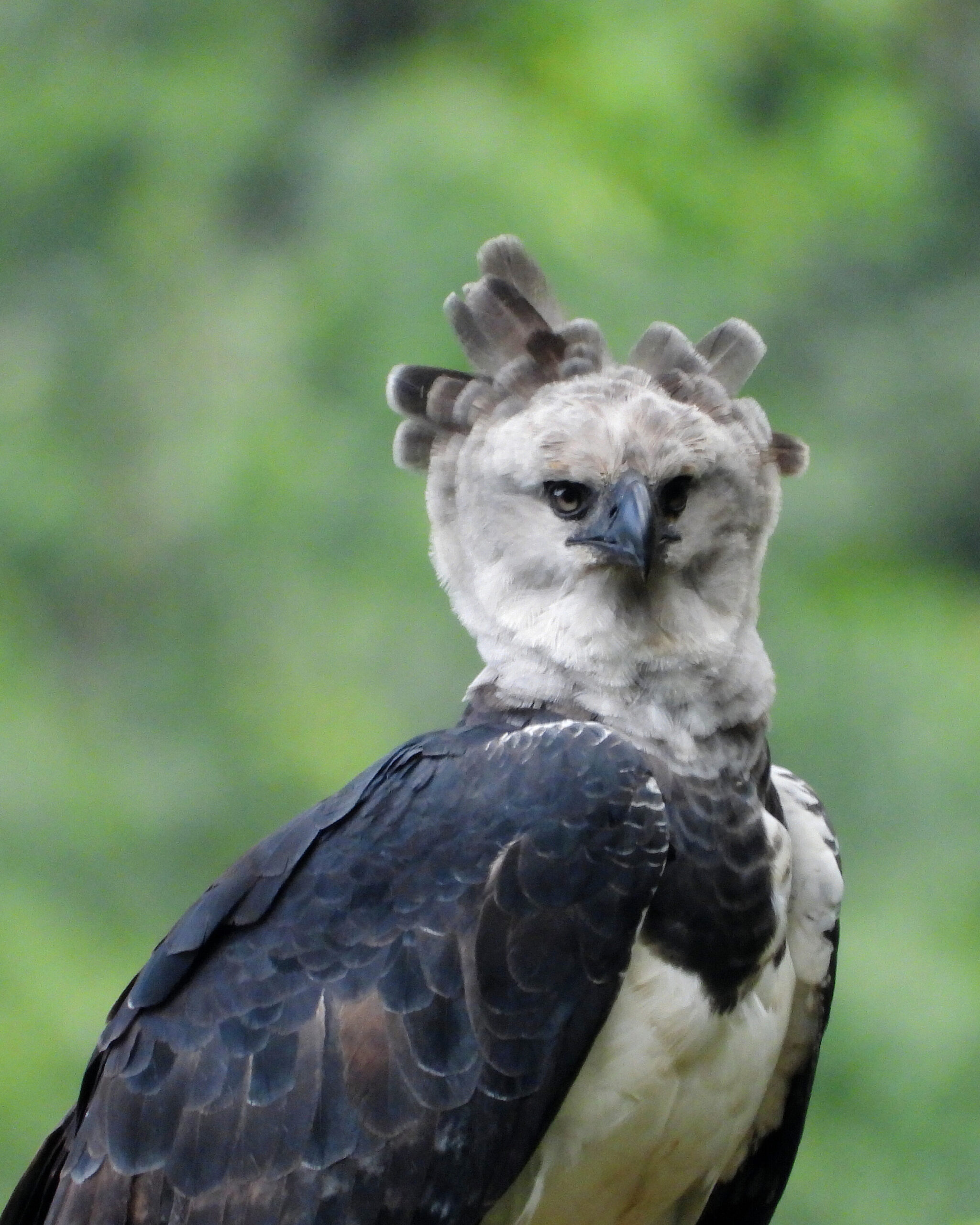
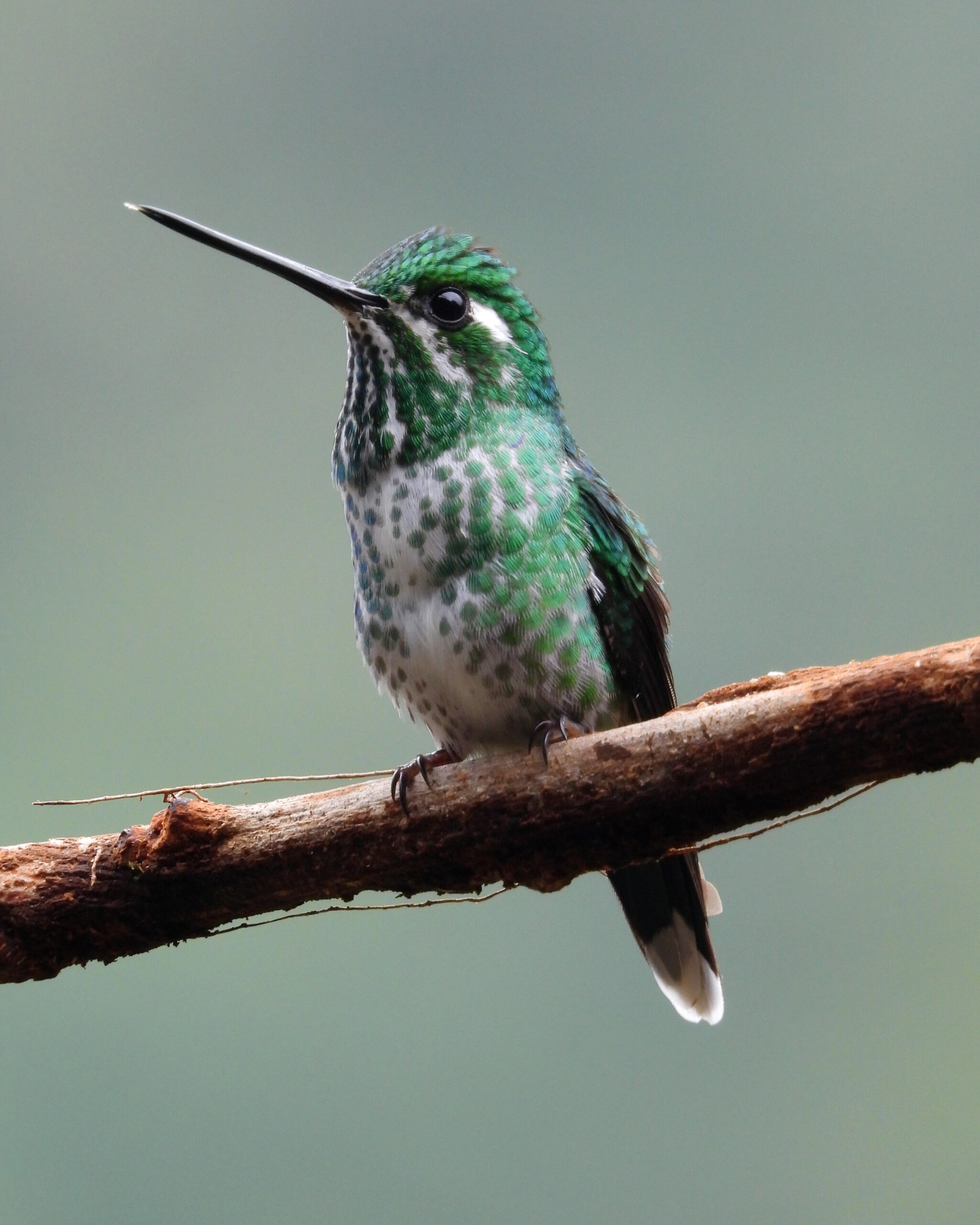
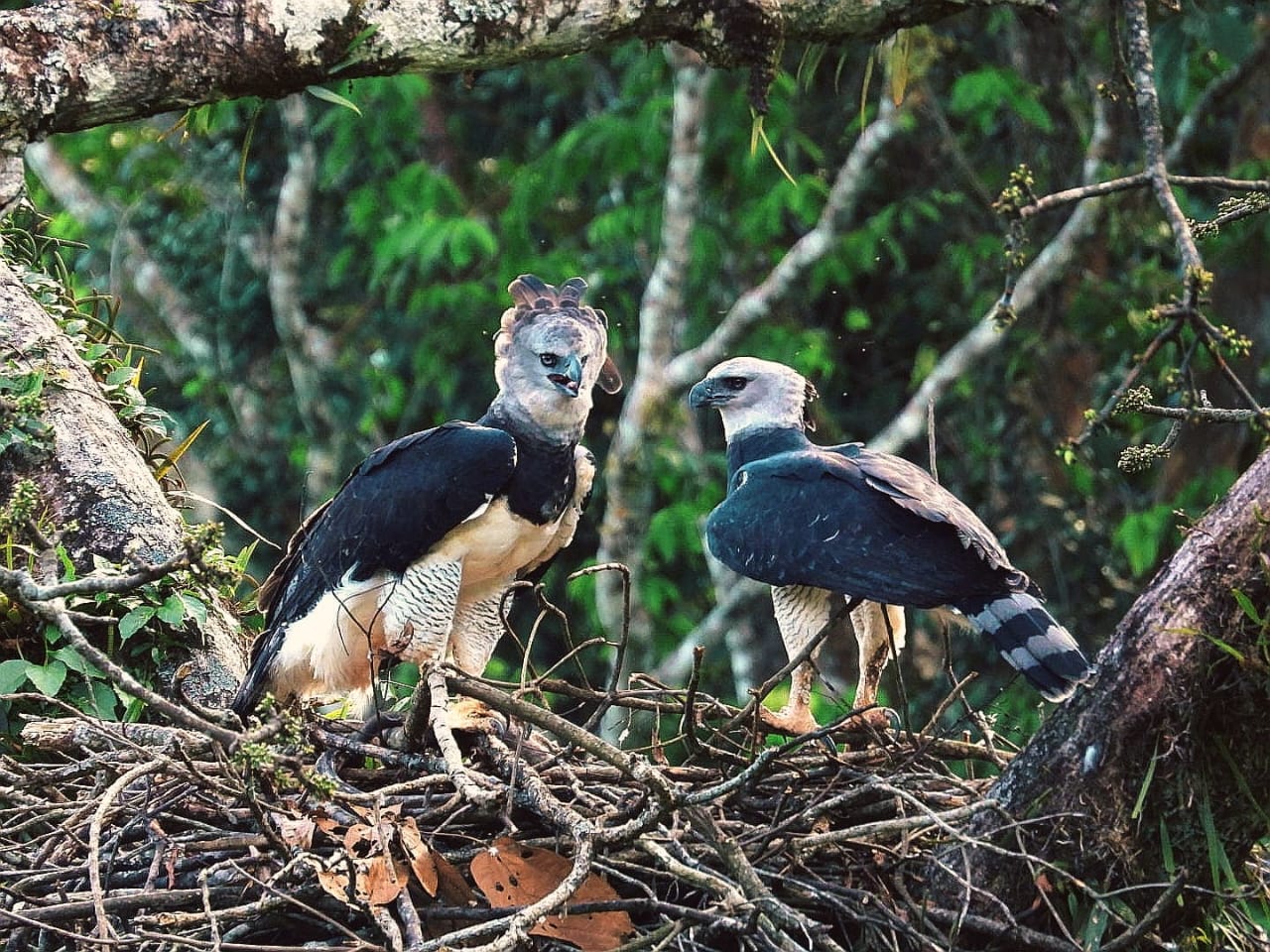
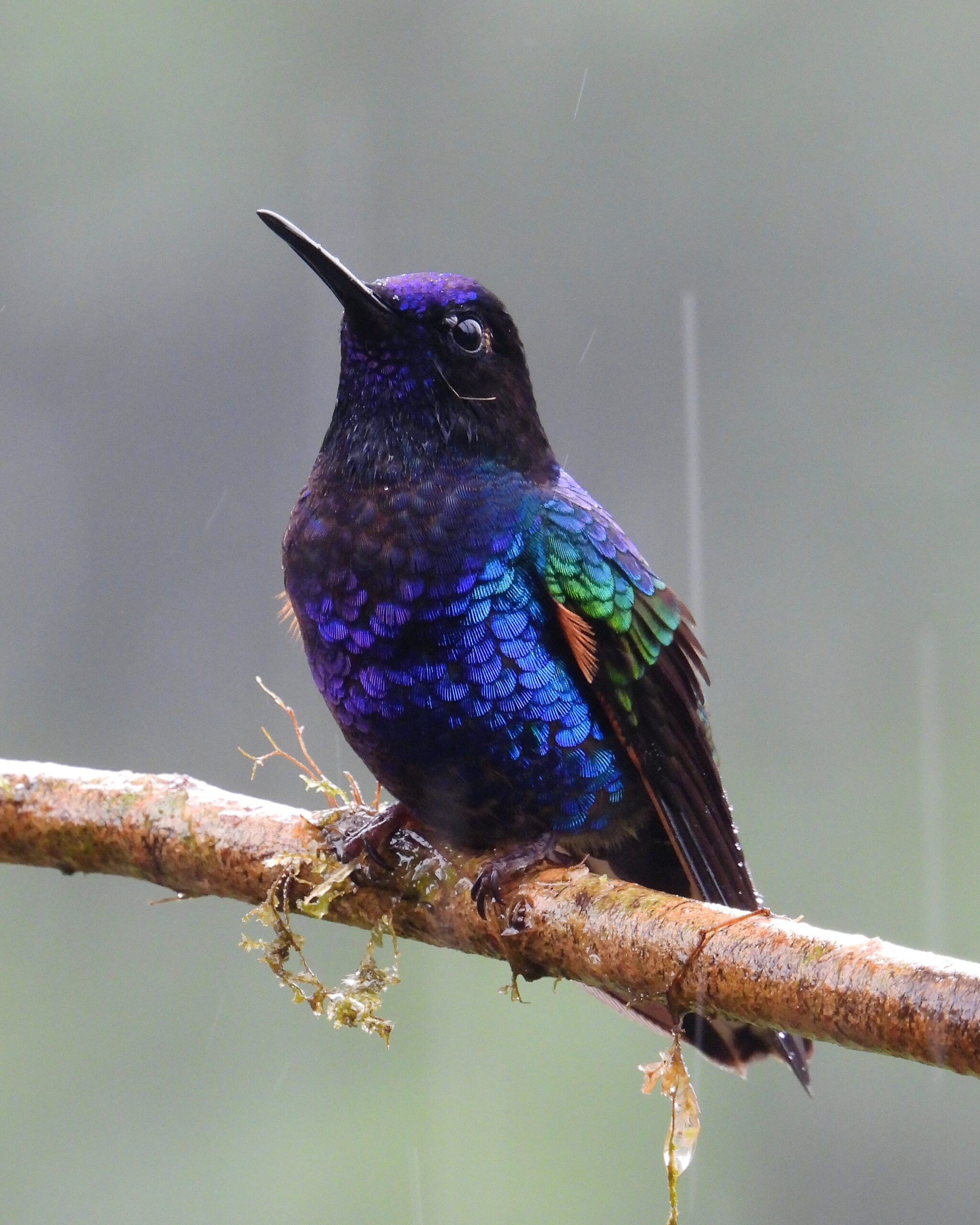
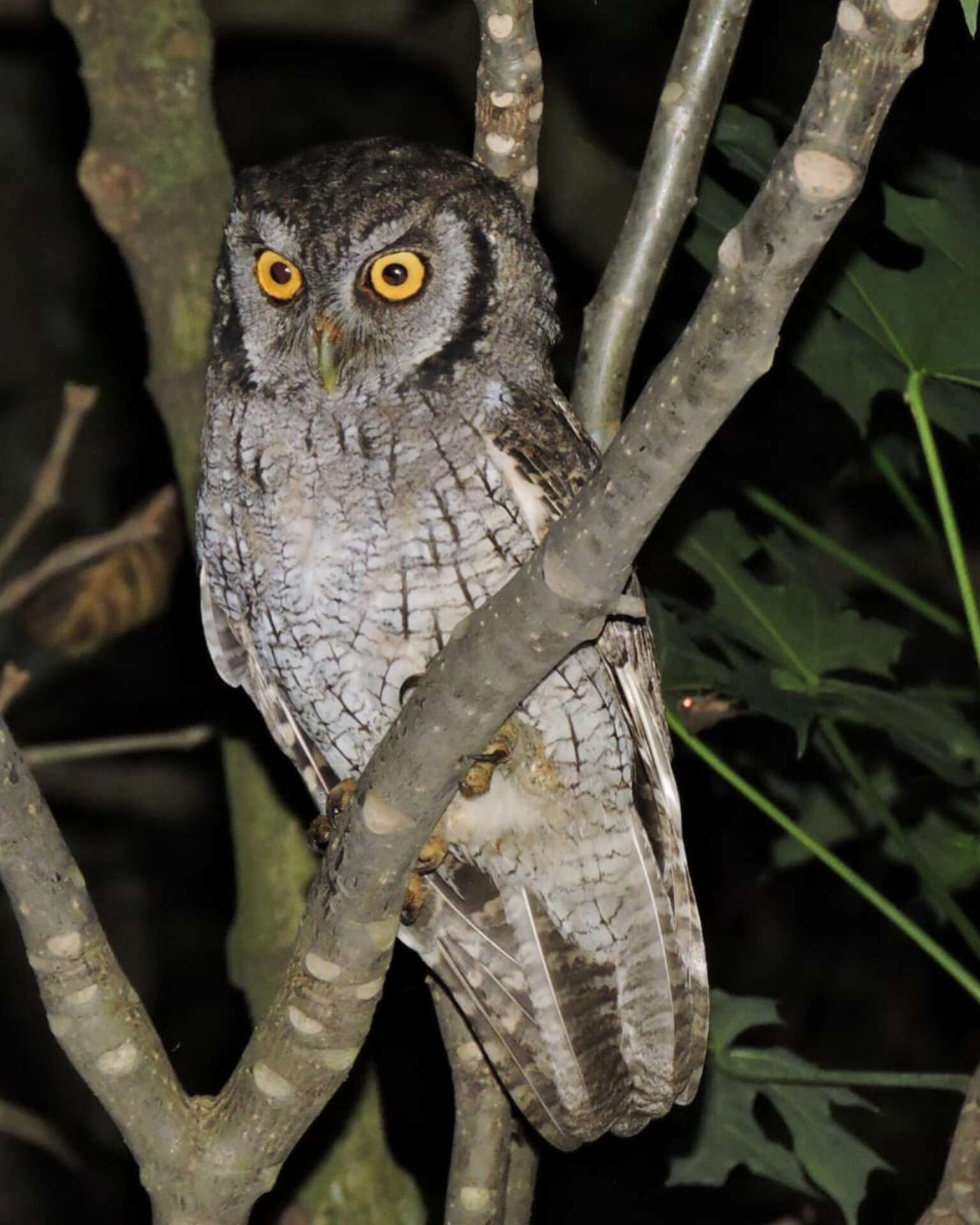
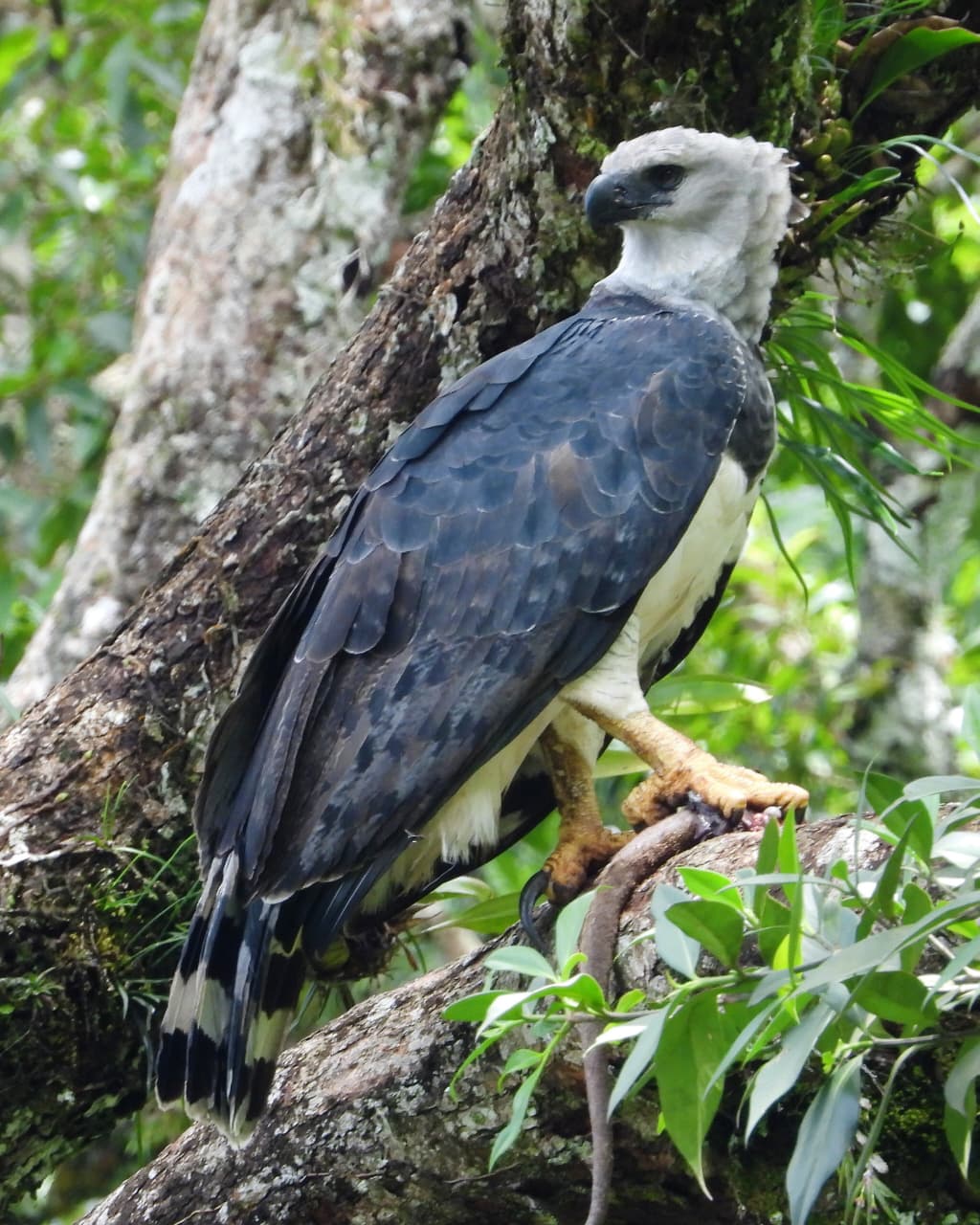
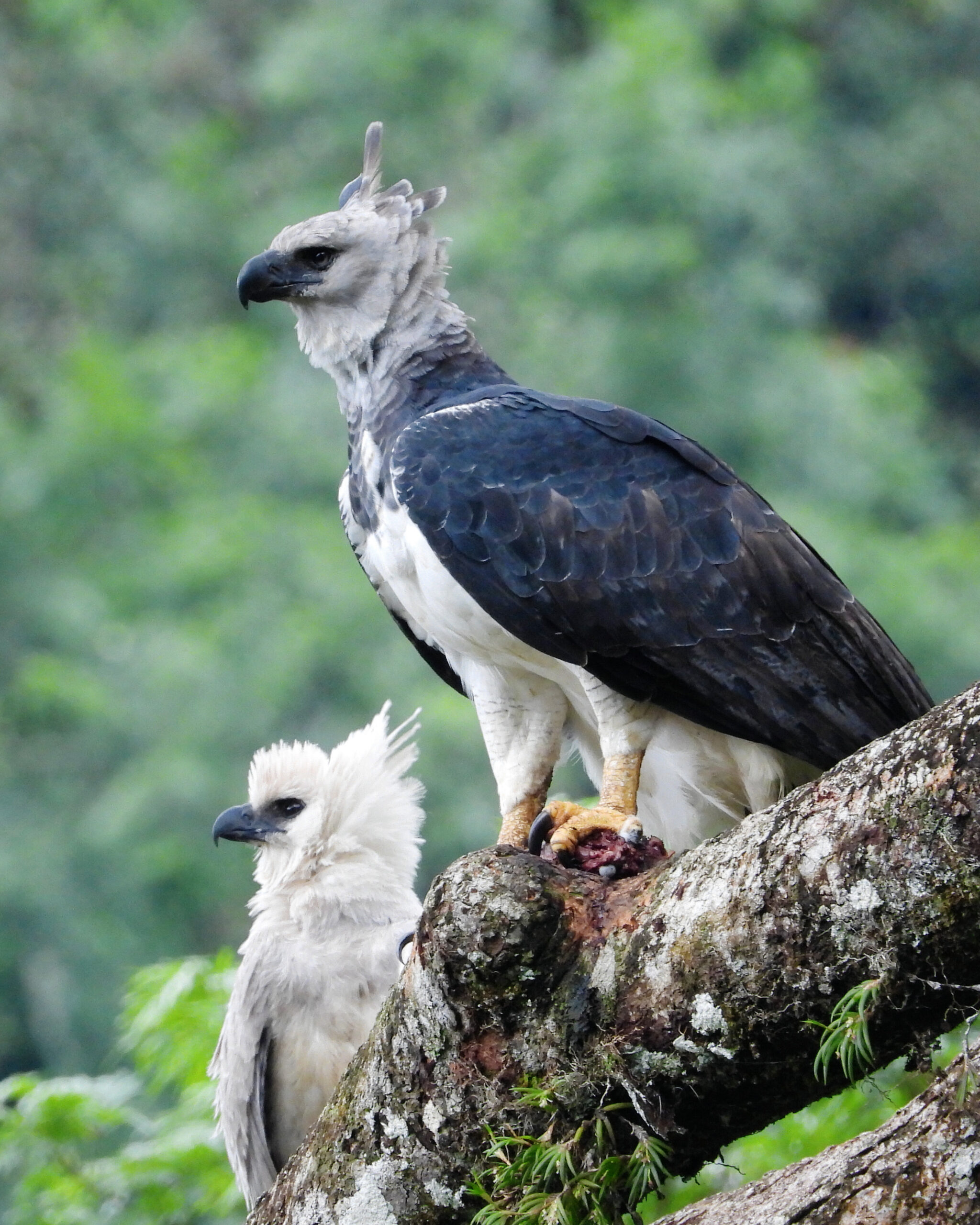
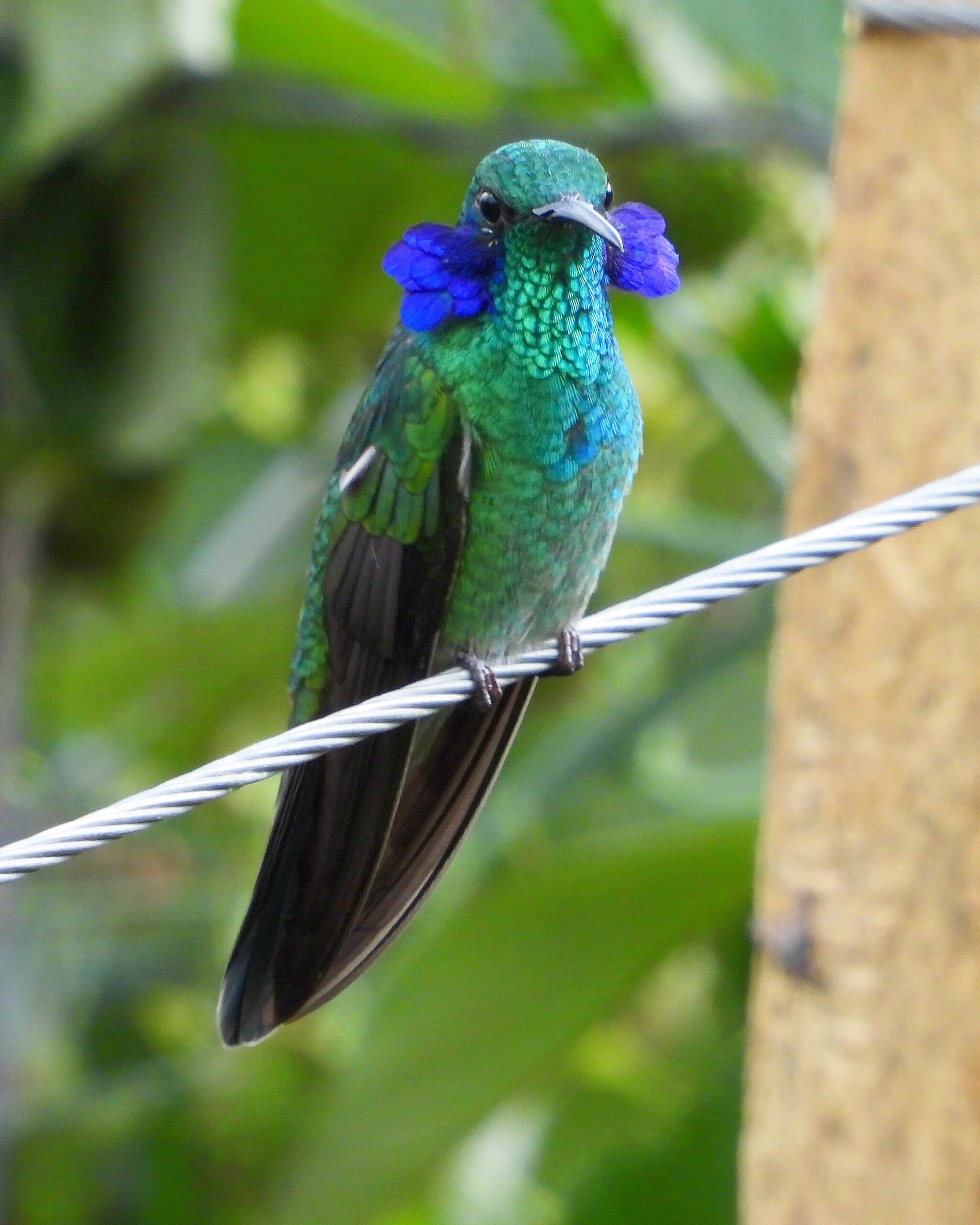
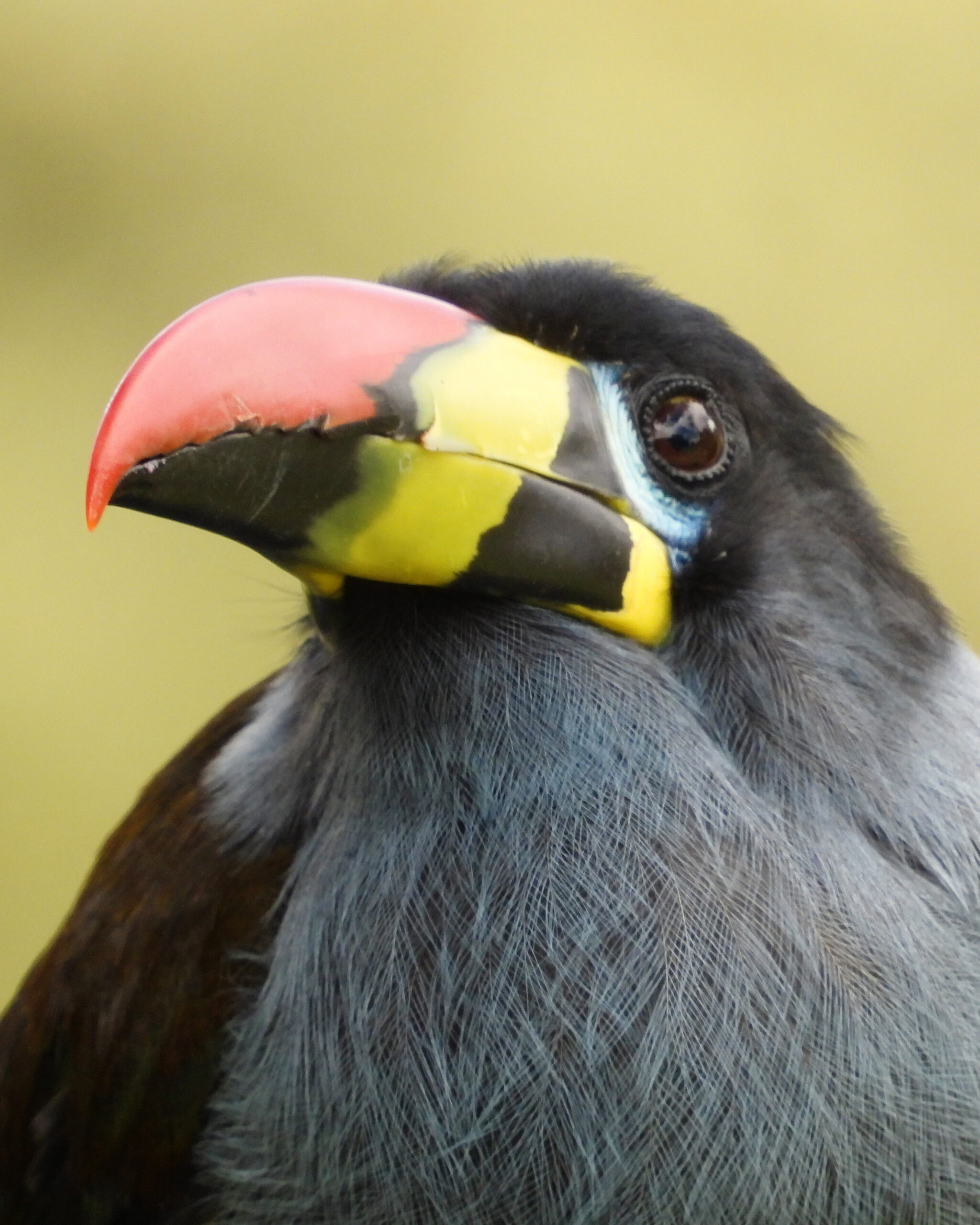
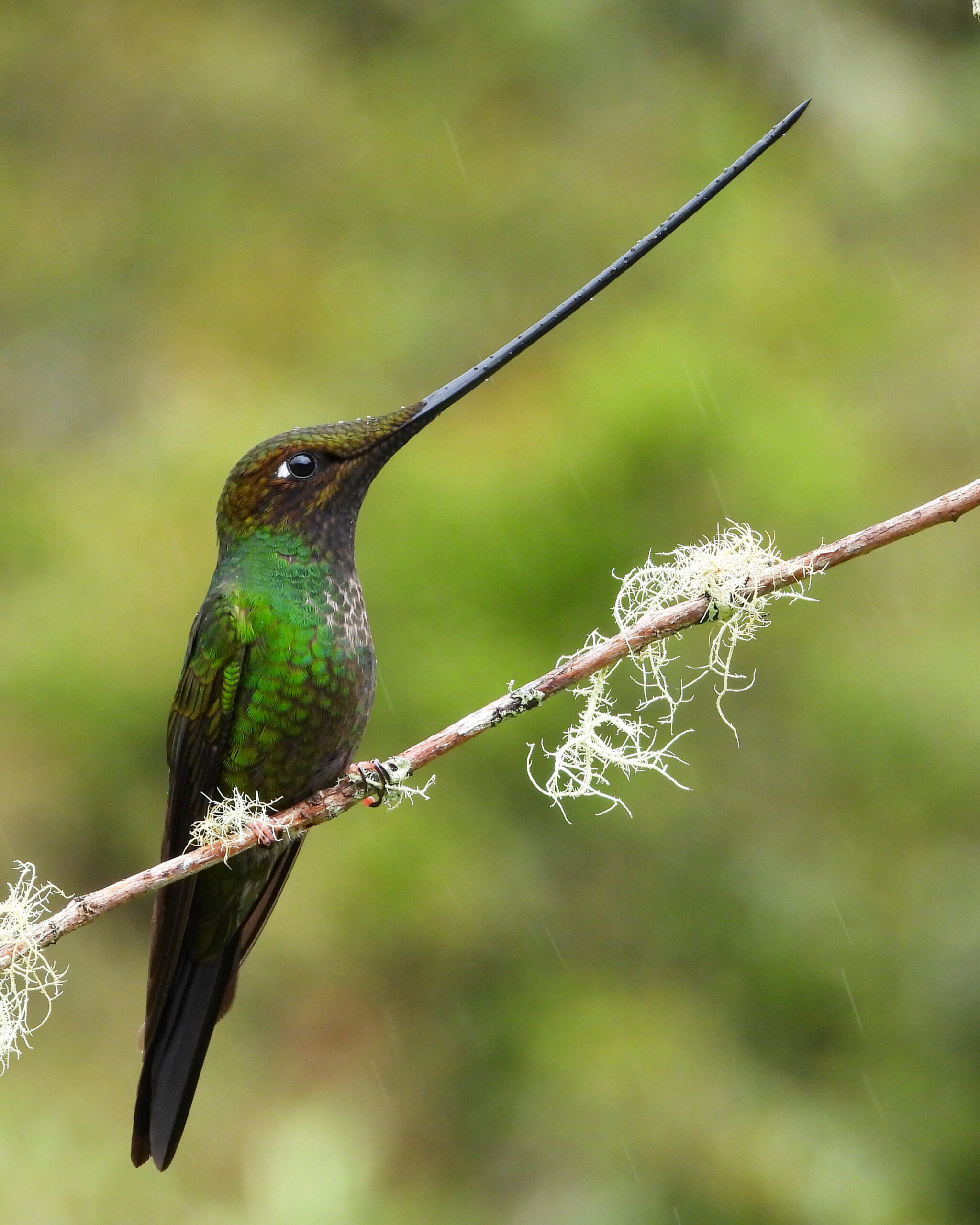
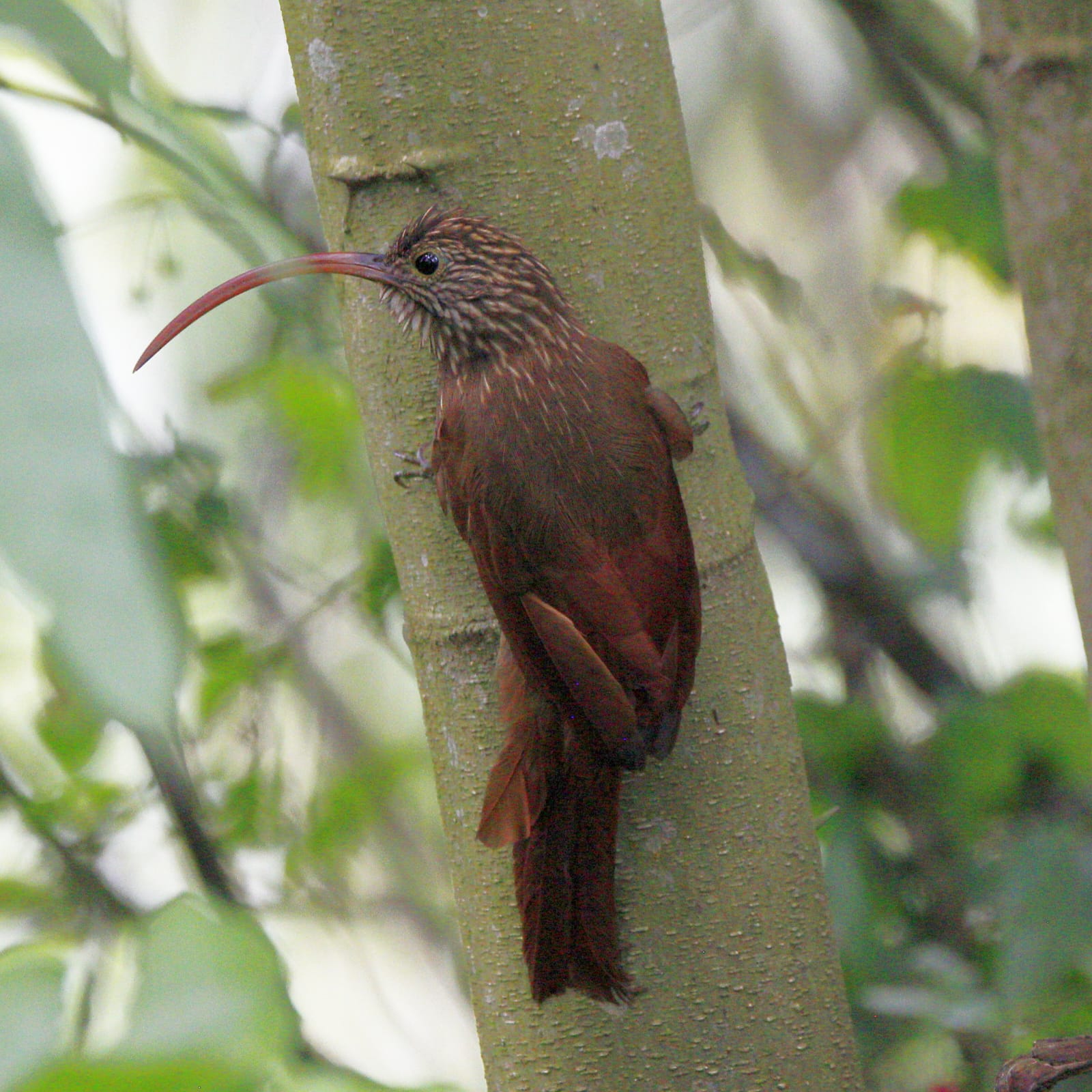
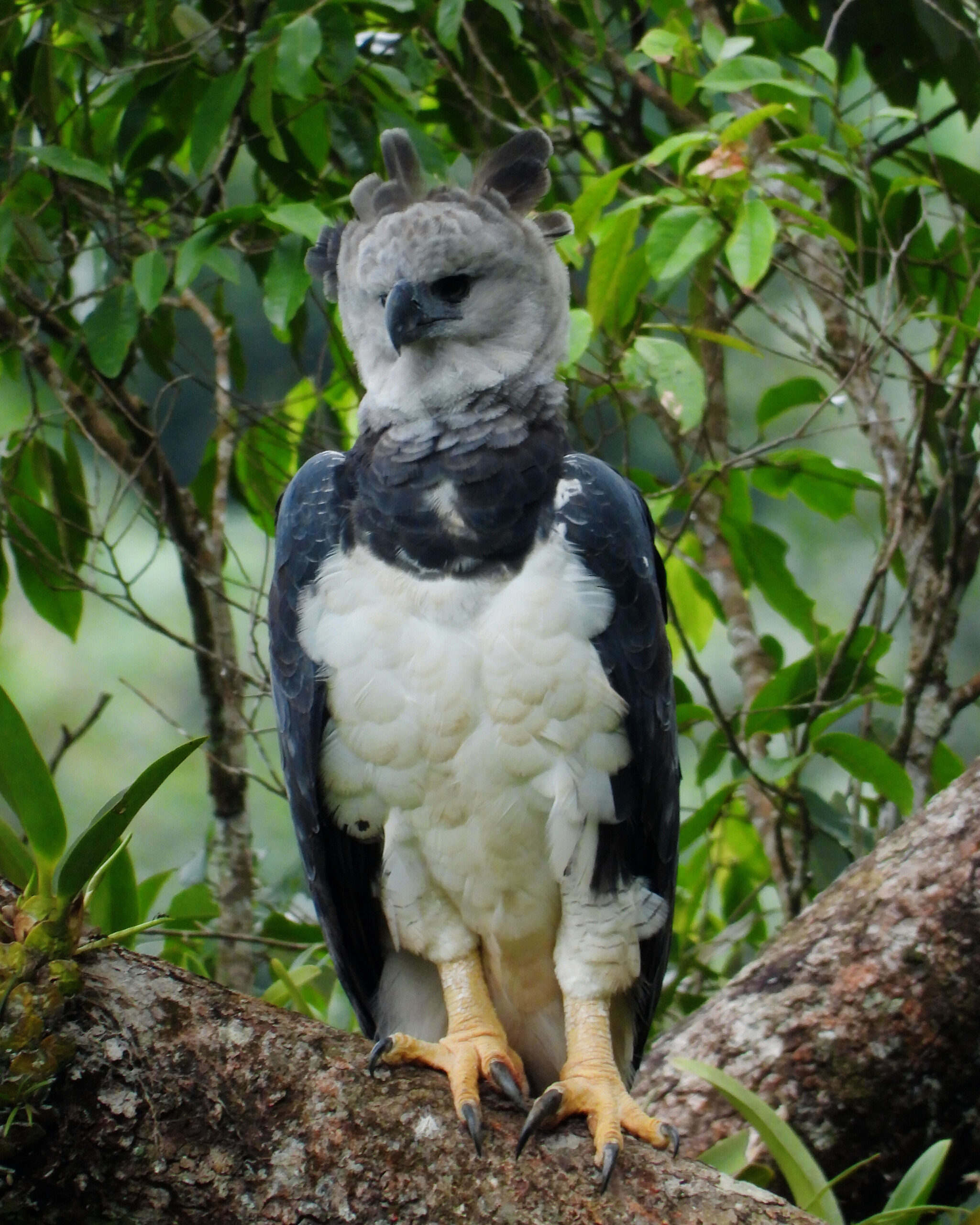
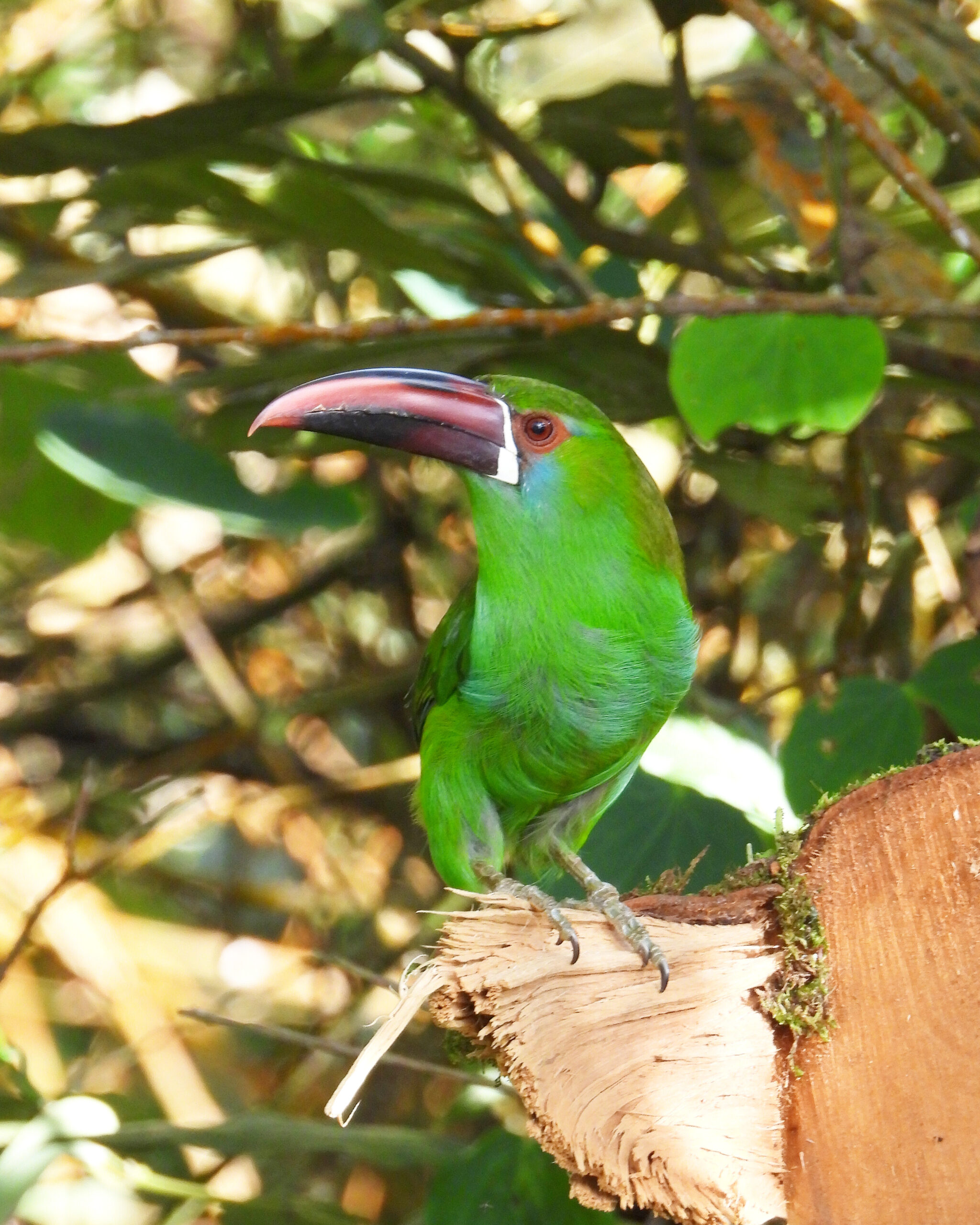
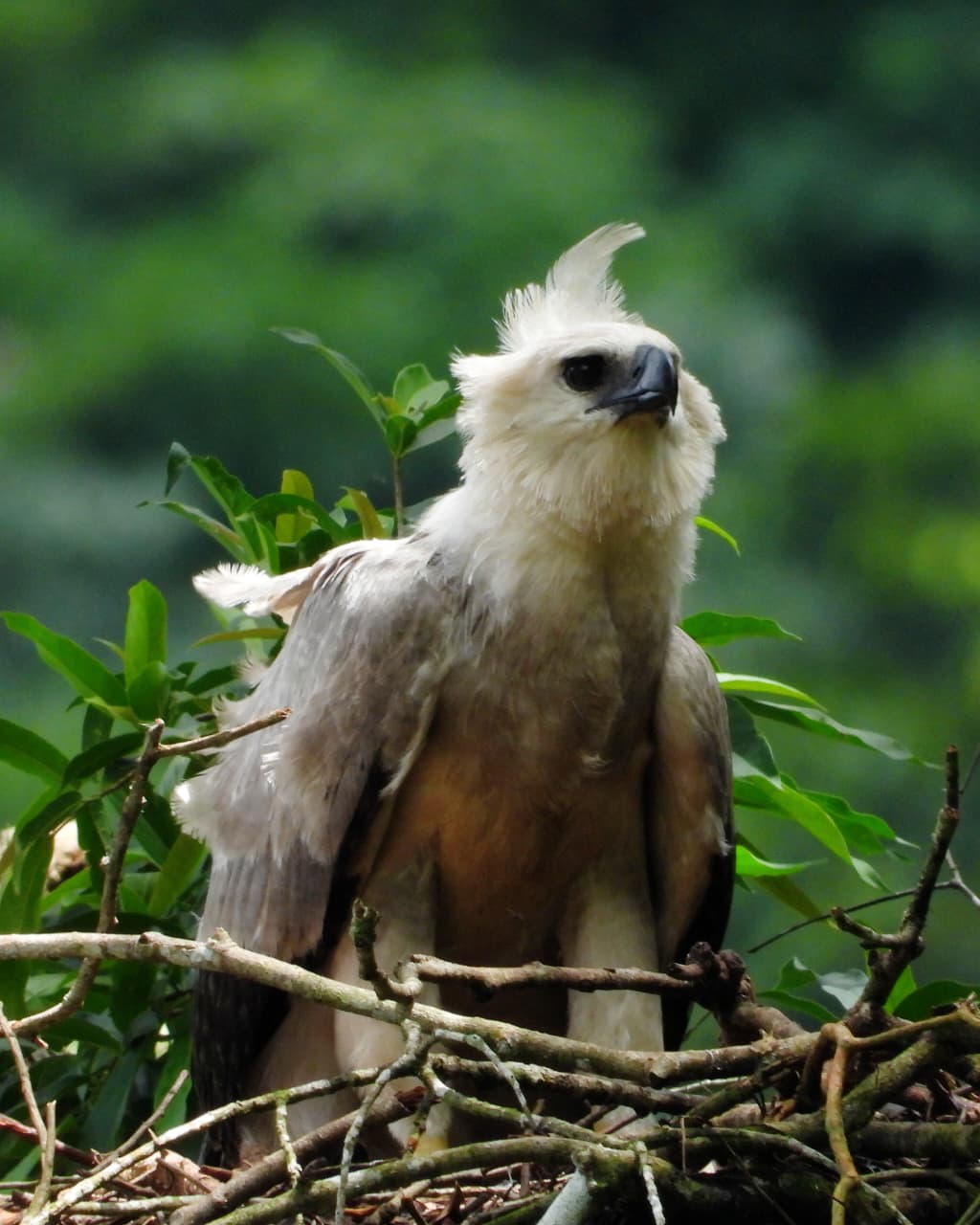
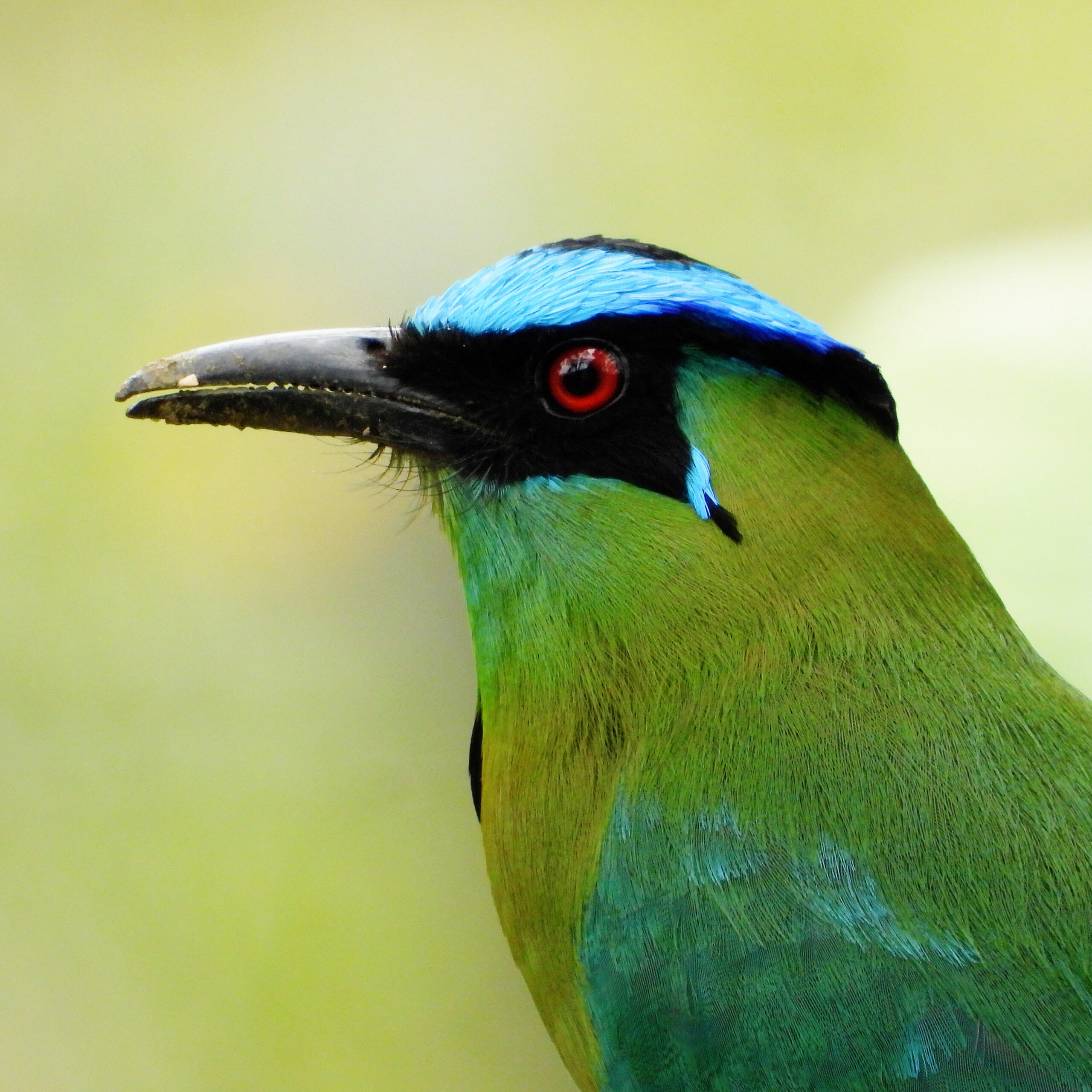
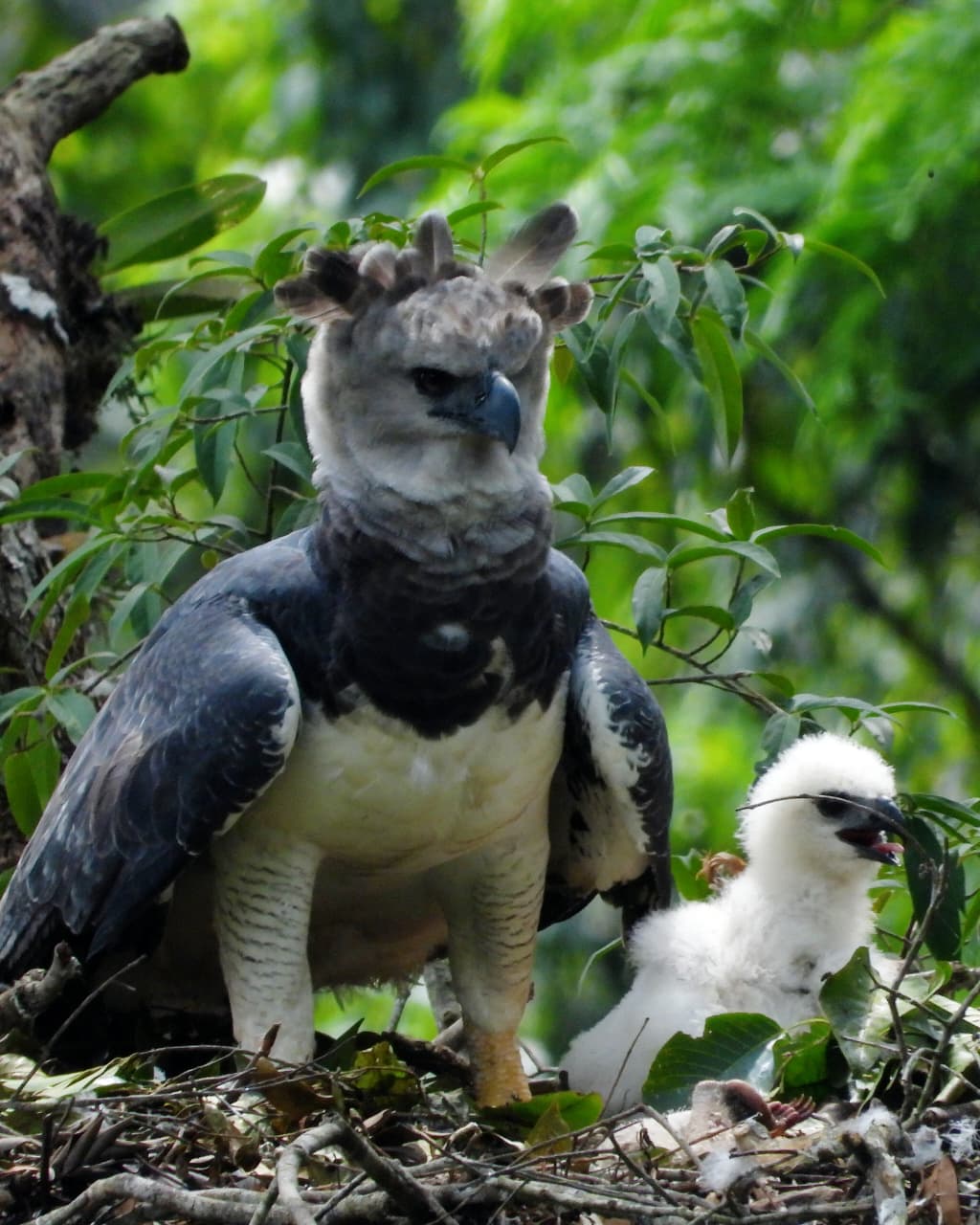
Embark on an unprecedented birdwatching and photography expedition through Colombia, the country with the greatest diversity of birds on the planet. This exclusive trip has been meticulously designed to take you deep into the most spectacular ecosystems of the three Andean mountain ranges and the Amazonian foothills. From the breathtaking landscapes of the Páramo de Sumapaz and the Nevado del Ruiz to the lush biogeographic region of Chocó, we will explore private reserves, cloud forests and facilities featuring first-class feeding stations and hides all optimised for high-quality photography.
Accompanied by expert guides, we will set out in search of South America’s most sought-after winged treasures, including the imposing Harpy Eagle, endemic hummingbirds such as the Nevado del Ruiz Green-bearded Helmetcrest, colourful gems such as the Multicolored Tanager and the Grallaria species. A total immersion in Colombia’s wild nature, combining biodiversity, local cuisine and a carefully selected range of strategically located eco-lodges.
Itinerary
Arrival in Bogotá
Participants will be met at Bogotá’s El Dorado International Airport. A private transfer will take them to the hotel to check in and rest after their journey.
Accommodation: Ibis Museo Hotel
Páramo de Sumapaz and transfer to Fómeque
Breakfast at the hotel. Departure for Cerro Tutelar Monserrate, where the Sendero el Paramunois located, home to numerous species of hummingbirds, including the iconic Violet-bellied Inca. Transfer to Bojacá, home to one of Colombia’s most beautiful hummingbirds, the Blue-throated Starfrontlet. This is the Fute Nature ReserveBack to Bogotá.
Accommodation: Ibis Museo Hotel
Sumapaz National Natural Park
Very early departure for Sumapaz National Natural Park. After breakfast in the field, the morning will be spent birdwatching in the high mountains around Laguna de Chisacá, with species of interest including: green-bearded helmetcrest, red rumped bush tyrant, Bogota Rail, Apolinar's Wren, Boyaca Antpitta. After lunch, we will head to a heron roost. Dinner.
Accommodation: del Llano Hotel.
Vista Hermosa and Harpy Eagle
We set off at dawn for Vista Hermosa. The day will be spent searching for the harpy eagle, one of the most powerful birds of prey on the planet. During the day, we will combine walks, wildlife spotting and breaks for food.
Accommodation: rural accommodation in the area
Harpy Eagle and return to Villavicencio
We will continue to explore the Vista Hermosa area to increase our chances of spotting the Harpy Eagle and other species associated with the Amazonian foothill forests. In the afternoon, we will take a flight from Villavicencio to the city of Pereira. Transfer to the hotel in the city of Manizales.
Accommodation: Piedras del Maní Hotel
Nevado del Ruiz and Termales del Ruiz
Breakfast at the hotel. We’ll set off for the entrance to the Nevado del Ruiz area, where we’ll have the chance to see one of the world’s most remarkable hummingbirds: the Nevado del Ruiz Green-bearded Helmetcrest. Transfer to the Hotel Termales del Ruiz, home to hummingbirds endemic to the Central Mountain Range. Lunch in a beautiful chalet. Return to Manizales in the afternoon. Special dinner.
Accommodation: Piedras del Maní Hotel
Hacienda el Bosque
We’ll head to one of Colombia’s most striking birdwatching spots, where specialised feeding stations allow you to observe some of the country’s most charismatic birds, with viewing spots and hides that enable you to move around at different times of day, facilitating the best shots of each bird. Whilst there, you’ll have the opportunity to sample Colombian dishes with a gourmet twist. Transfer to the El Color de mi Revés Lodge, followed by a night-time birdwatching session. Dinner.
Accommodation: El Color de mi Revés Lodge
Hacienda el Color de mi Revés Lodge
A full day at the ‘El Color de mi Revés’ Lodge. It offers all the comforts and the perfect setting for spotting hummingbirds, tanagers and grallarias. The Bicolored Antpitta is a particular highlight. Return to the city of Manizales. Special dinner.
Accommodation: Piedras del Maní Hotel
Rio Blanco Natural Reserve
The Rio Blanco Natural Reserve is one of the most important places in Colombia for spotting grallarias. The star bird is the Brown-banded Antpitta, , which can be seen at a feeder in excellent light. We will spend the whole morning in the vicinity of pristine forest cover, where we may spot the Compadre Tororoí, the Dwarf Ponchito and the Collared Chara. After lunch, we’ll travel to Cali, making at least two stops to see some birds of the Valle del Cauca plains. Dinner and check-in at the hotel.
Accommodation: Blue 66 Hotel
La Florida Birding - Bosque de las Aves
An area teeming with hummingbirds, tanagers and birds in general. Its most distinctive tanager is the Multicolored Tanager. The hummingbirds are one of the most special attractions, with over 25 different species to observe, each displaying their unique iridescence. The most distinctive is the Scaled Antpitta. In the afternoon, we’ll head down to a nearby lodge where we’ll enjoy a fantastic dinner.
Accommodation: Cabañas San Julio Km 32
Doña Dora Birding
One of the best spots for photography in Colombia’s Cordillera Occidental, set within the Chocó biogeographical region, where you can spot such spectacular birds as the toucan barbet, the glistening-green tanager and the famous Andean Cock-of-the-rock. After enjoying the delights of traditional Colombian cuisine, we will continue on to the hotel, where we will have dinner.
Accommodation: Cabañas San Julio Km 32
San Felipe Birding Ecolodge
The final day will take place at San Felipe Birding Ecolodge, one of the best-preserved ecosystems in the cloud forests of the foothills of the Western Cordillera. We will go birdwatching along the road and in the surrounding forests, as well as visiting dedicated feeding stations, to record the final species of the expedition. In the afternoon, we will return to Cali to catch our flight to Bogotá, and then on to Spain, where the tour will officially come to an end.
Included/Not included
Included
- Tour guide during the trip
- Accommodation
- Full board
- Travel arrangements during the trip
Not included
- International flight (check prices).
- Drinks and personal expenses
Recommendations
We recommend booking a flight departing in the evening on 8 January, arriving at El Dorado Airport in Colombia in the morning or afternoon. We will be waiting for you there and will take you to your hotel. This is the first day to acclimatise to the altitude in this Andean city. You will enjoy an à la carte dinner and a well-deserved rest.
For your return journey, we recommend booking your flight for the afternoon or evening of 19 January, after 6.00 pm. We recommend departing from Cali to Spain to avoid additional formalities in Bogotá.
The weather is highly variable, ranging from cold conditions in the paramos and snow-capped mountains (2º – 10 º) at night and in the higher elevations of the El Color de mi Revés Ecolodge, to a temperate and humid climate in the cloud forest, and a warm and humid climate in the Amazon rainforest. There is always the possibility of rain and sporadic showers.
It is recommended that you wear warm, waterproof clothing to protect against damp and rain, as well as thermal clothing or extra warm layers for the evenings, when the temperature warrants it.
Footwear should be comfortable, waterproof and have a high-grip sole; priority should be given to hiking boots or trainers that ensure stability, traction and safety when walking on different types of terrain.
It is recommended to wear clothing in muted colours, preferably lightweight, breathable and long-sleeved, in order to minimise skin exposure to insect bites, particularly in areas with a high density of mosquitoes. As an additional personal protection measure, the use of mosquito nets to protect the face is recommended in areas with a high presence of these vectors. Furthermore, it is recommended to wear a cap or a wide-brimmed hat to reduce direct exposure to sunlight. In areas where terrain conditions or the presence of water so require, the use of waterproof rubber boots should be considered as part of the protective equipment for fieldwork.
- DSLR or mirrorless camera
- Lens with a focal length of at least 300 mm
- Wide-angle lens
- Macro lens, if you’re interested in macro photography
- Tripod or monopod
- Flash
- Spare batteries and SD cards
You need to know
The mains supply is 220V/60Hz with type A/B/C sockets featuring flat or round pins, so you will need a flat-pin plug adapter.
It is advisable to bring a portable power bank to charge your electronic devices, even in accommodation where access to electricity is limited.
Important advice for our tour of the nature reserves
To ensure you get the most out of this nature tourism experience, we recommend that you bear the following points in mind:
During the tour, we will visit places at different altitudes above sea level. Some people may experience fatigue, headaches, dizziness or shortness of breath whilst their bodies adjust. We recommend walking at a leisurely pace, staying well hydrated and informing the guide immediately if you feel unwell.
On several walks, we will encounter paths with slopes and uneven terrain. The difficulty level is low; however, it is worth remembering that this is not a race; everyone should proceed at their own pace. The guide will take the necessary breaks to ensure that everyone can enjoy the experience safely.
The weather can change rapidly from one reserve to another. You may encounter rain, mist, wind or lower temperatures than expected. We recommend that you bring a raincoat, comfortable quick-drying clothing, a warm jacket, a cap or hat, and sun cream.
Always carry enough water and eat light meals before setting off on a walk. Staying well hydrated helps to reduce the effects of physical exertion and changes in altitude.
- Hiking boots or shoes with good grip.
- Raincoat.
- Reusable water bottle.
- Insect repellent.
- Sun cream.
- Personal medication, if required.
Our aim is to enjoy and preserve these ecosystems. Please do not leave any rubbish behind, avoid feeding wild animals, and always follow the guides’ instructions.
By following these recommendations, we will be able to enjoy a safe, responsible and enriching experience, whilst appreciating Colombia’s extraordinary biodiversity.
Large Birds of Prey in Colombia: Harpy Eagle, Condors and Forest Eagles
11 days
Per person
7.640€/person (3 people)
5.480€/persona (5 pax)
If the maximum group size is not reached, the trip may still go ahead subject to payment of a supplement.
Frequently Asked Questions
How physically demanding is this trip?
We will be setting off very early in the morning to make the most of the birds’ most active hours, and we will be walking along paths which, due to the damp conditions in the cloud forests and moorlands, may have muddy or slippery sections. You do not need to be in peak physical condition, but you do need to be reasonably mobile and willing to walk over uneven terrain.
What photography equipment should I bring?
We recommend bringing a digital single-lens reflex (DSLR) or mirrorless camera, a telephoto lens, spare batteries, memory cards, a waterproof camera case and a lightweight tripod if you wish.
As there is a chance of rain in forested areas, it is essential to have waterproof protection for your equipment.
What sort of weather can I expect during the trip?
As it lies close to the equator, Colombia does not have traditional seasons, but rather microclimates determined by altitude. Throughout our expedition, we will experience temperature contrasts due to the various areas we will visit. Therefore, the key to this trip is to pack light, breathable clothing, whilst ensuring you have a good system of layers, including warm and waterproof garments, to protect us from the intermittent rain.
Why is Colombia considered one of the best destinations for nature photographers?
Colombia is, without a doubt, the country with the greatest diversity of birds on the planet, home to nearly 2,000 species and a vast number of endemic species found nowhere else in the world. For a nature photographer, this destination is a true paradise thanks to the staggering variety of ecosystems concentrated within a short distance: from the magical, sun-drenched Andean páramos to the dense cloud forests and the Amazonian foothills. Furthermore, in recent years the country has developed a first-class birding infrastructure ; its reserves feature specialised feeding stations, optimised hummingbird feeders and hides strategic photographic hides that allow you to capture perfect close-ups under controlled lighting conditions.