
PERU
From 6 to 18 September 2026
Manu National Park and Machu Picchu
Photography of wildlife, landscapes, and Andean and Amazonian culture
- 6 to18 September 2026
- Peru
- Maximum 6 people
- Good physical fitness
- €5,120 per person
Summary
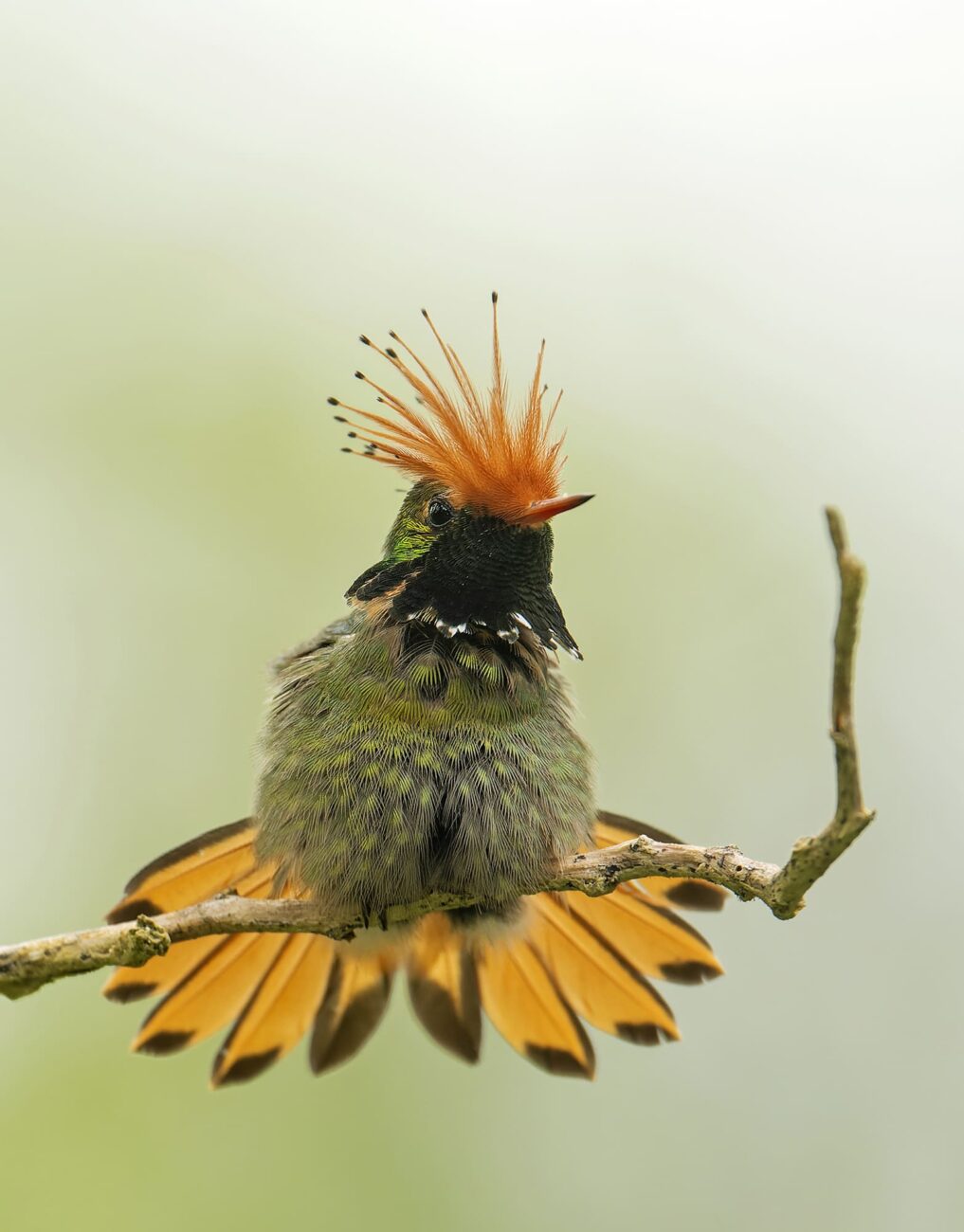
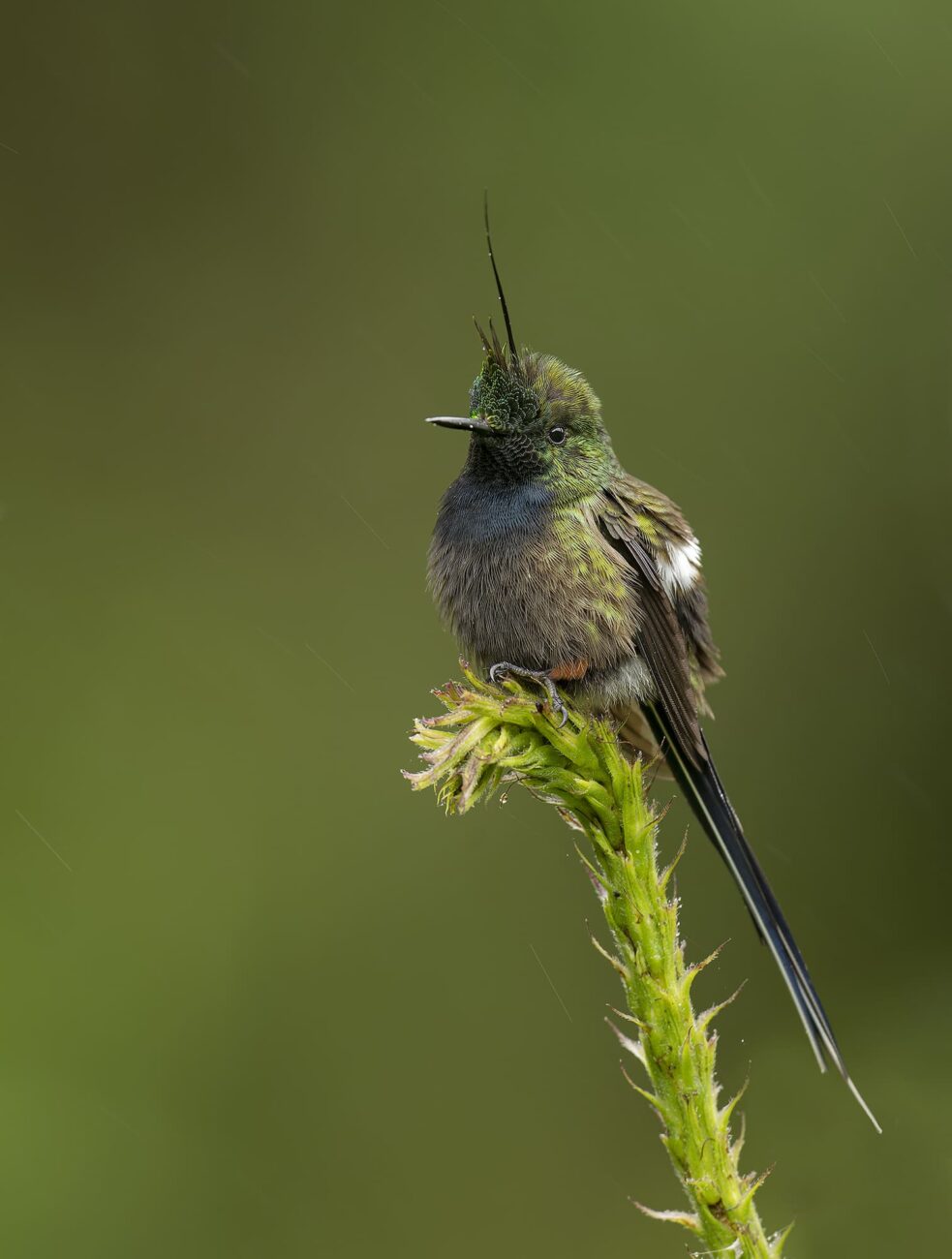
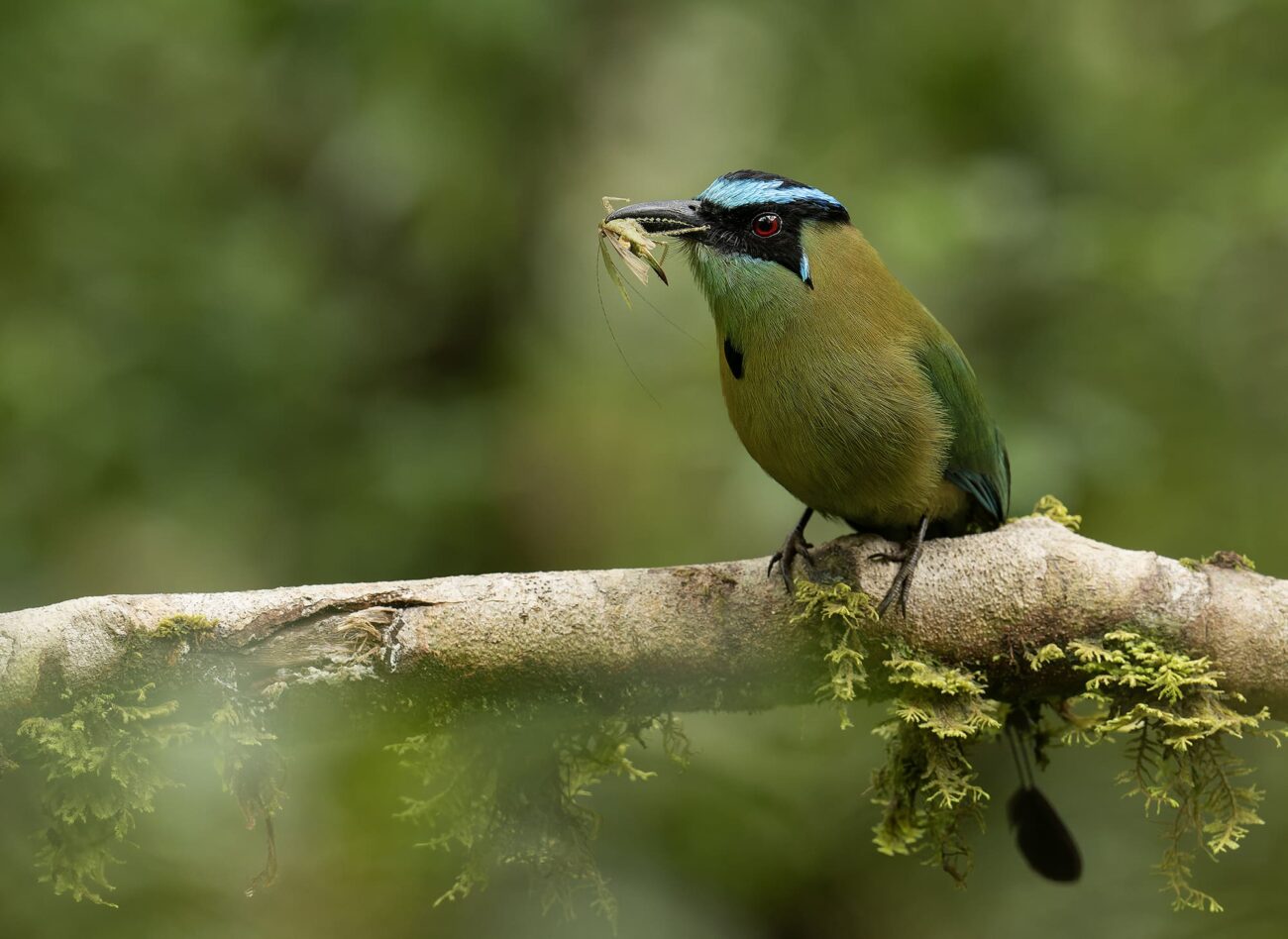
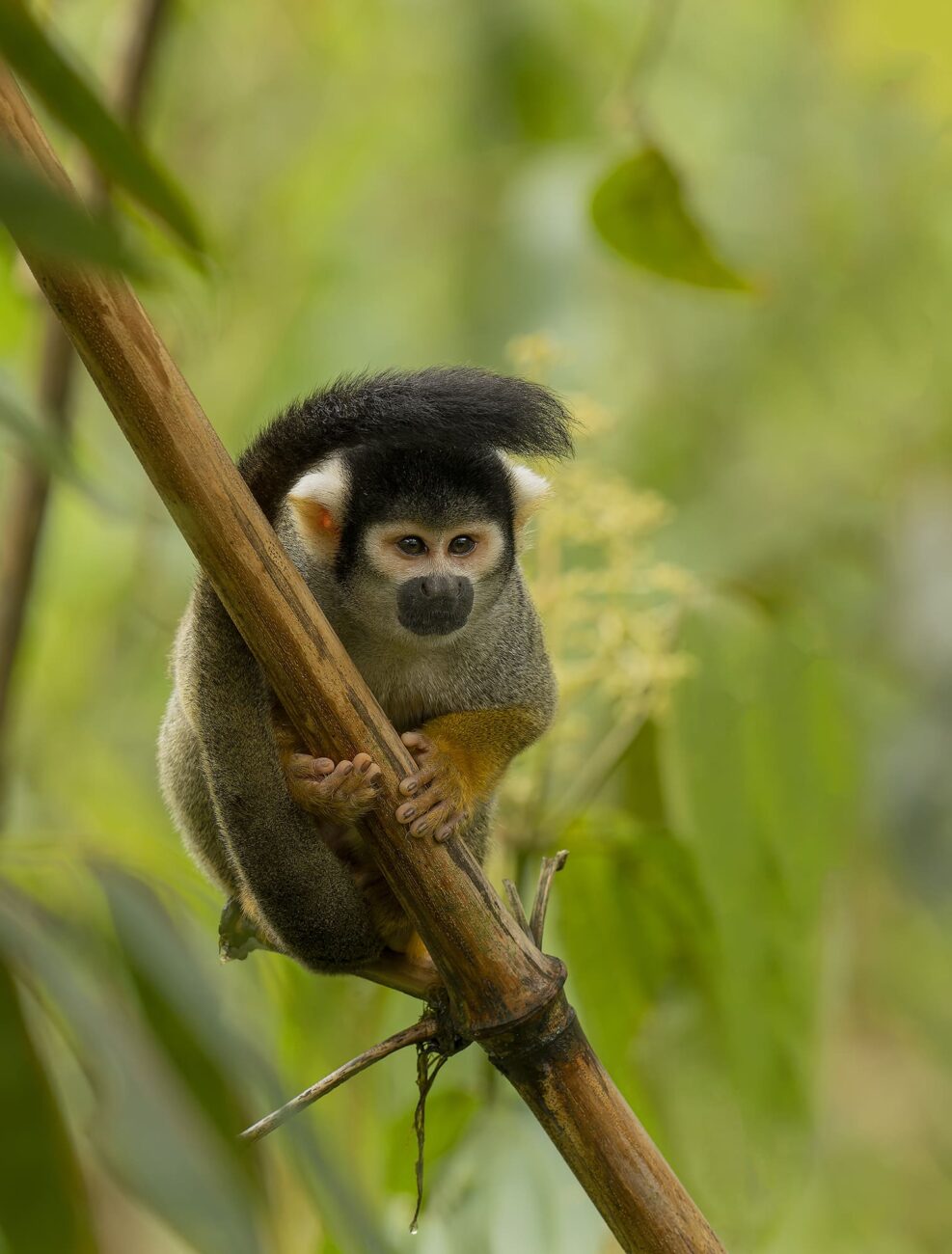
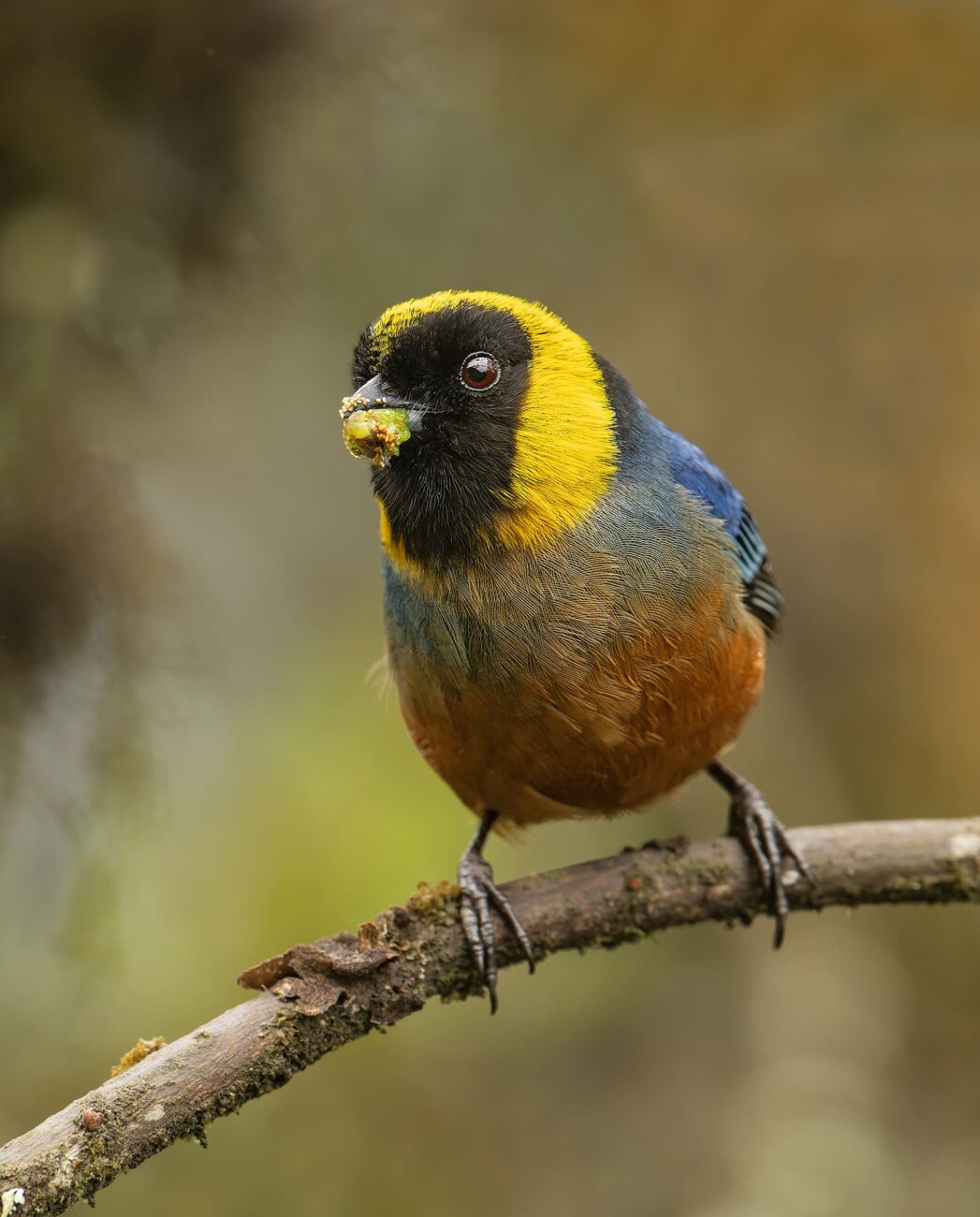
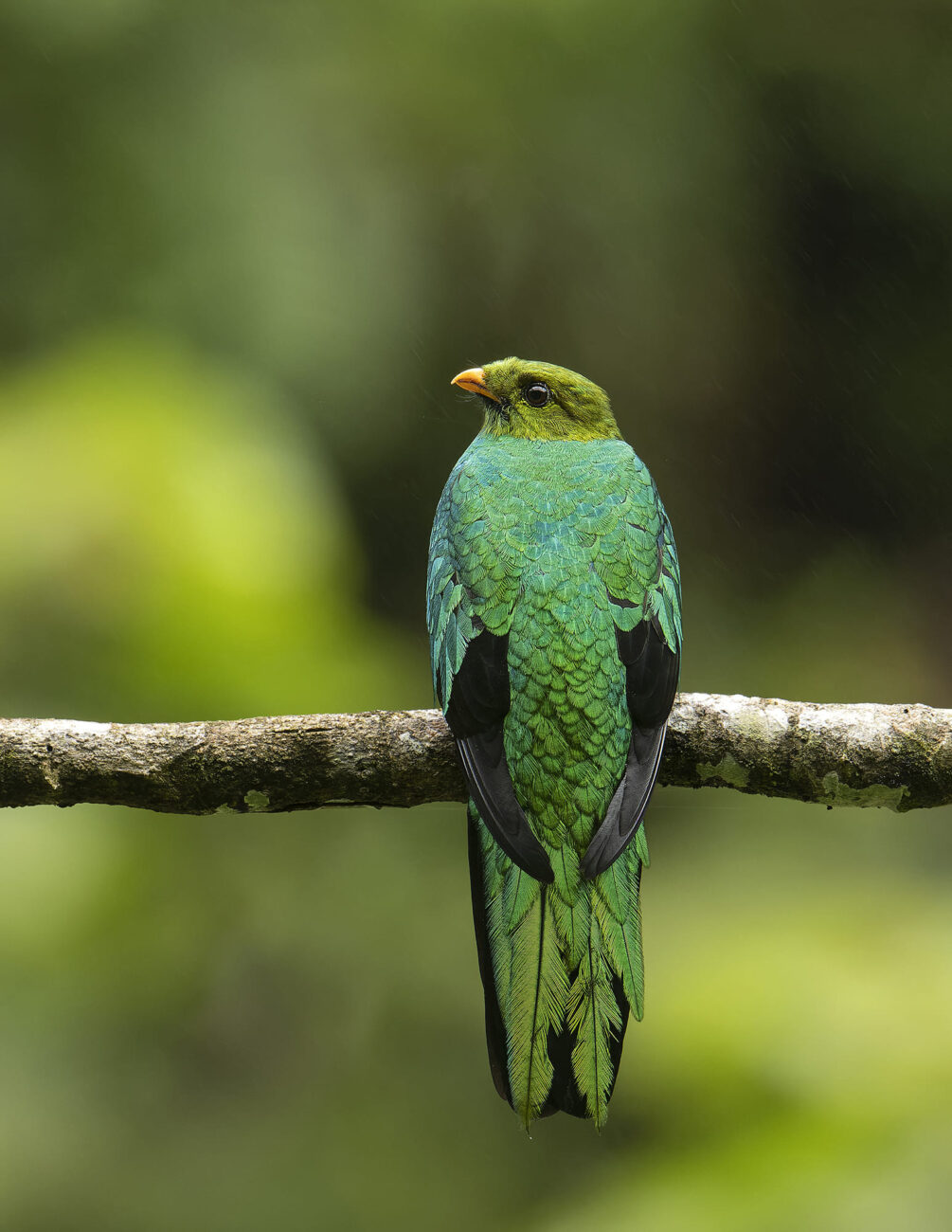
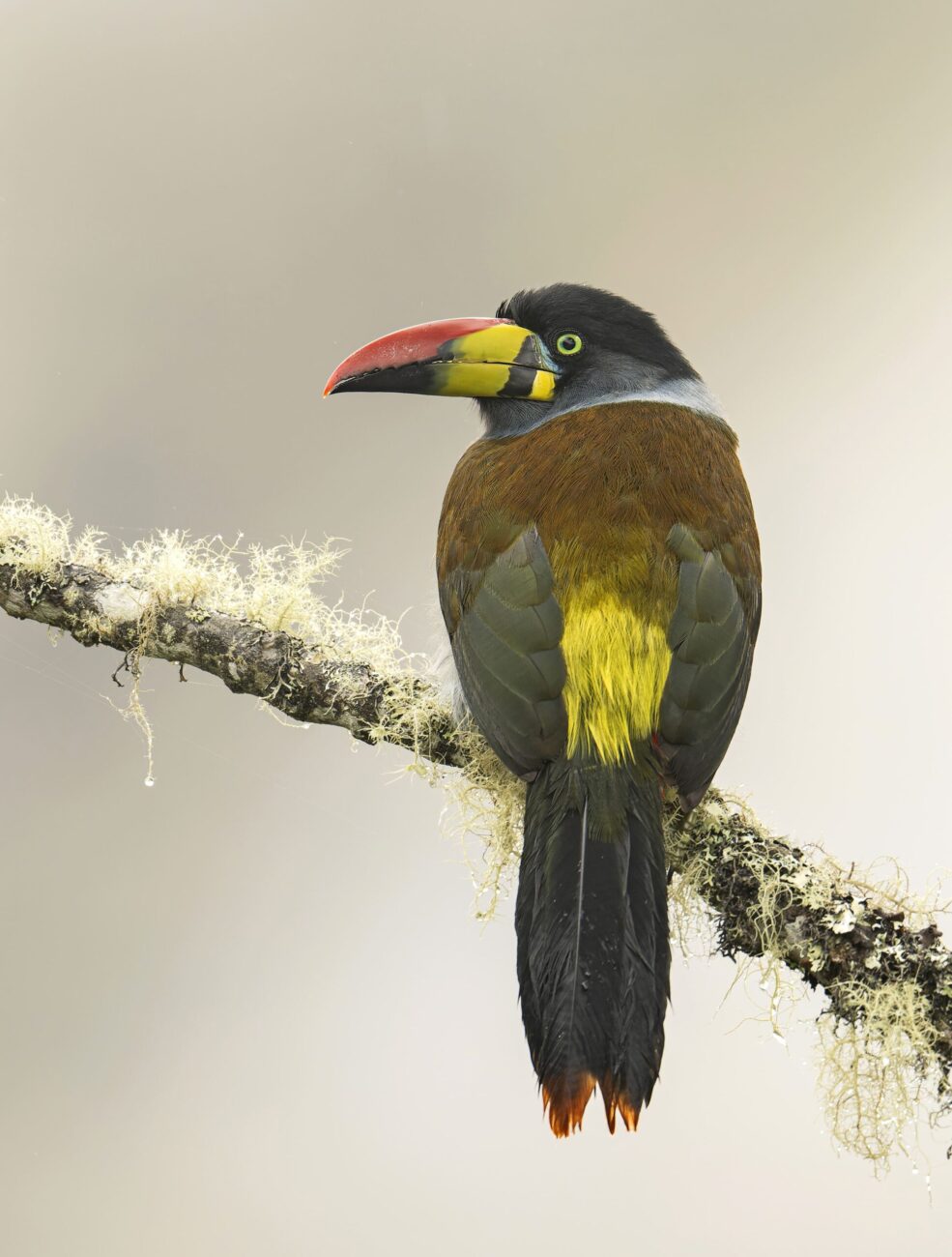
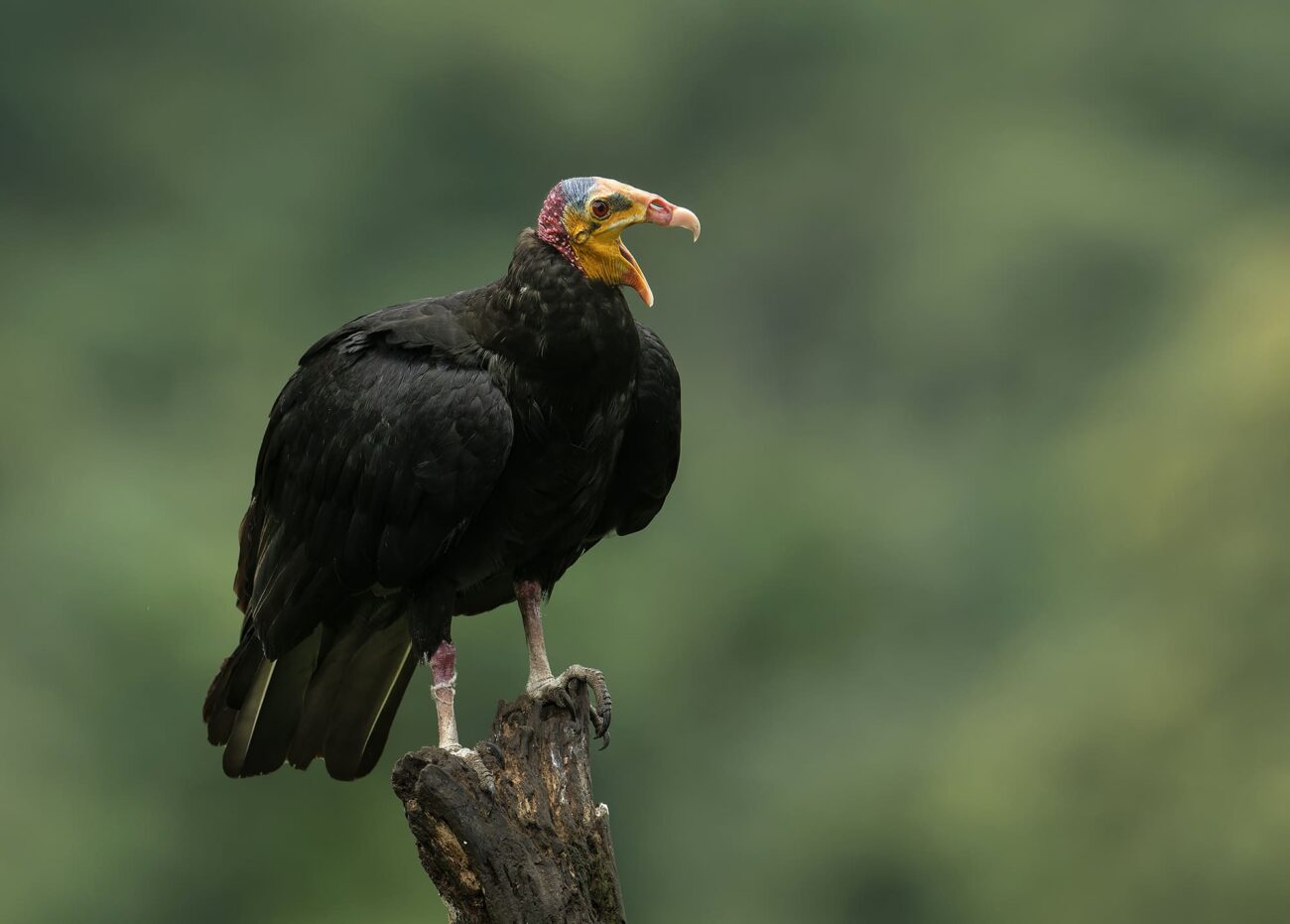
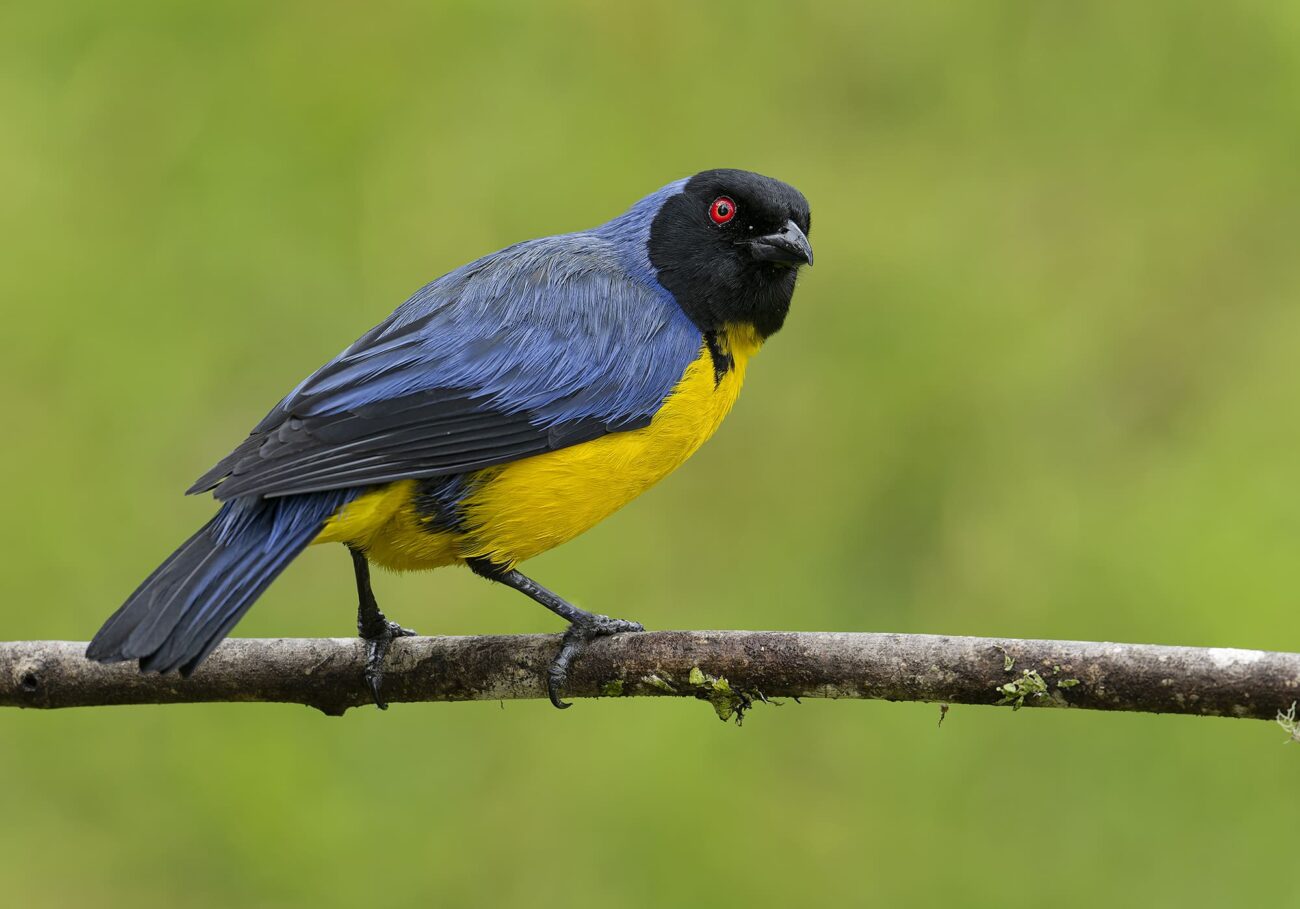
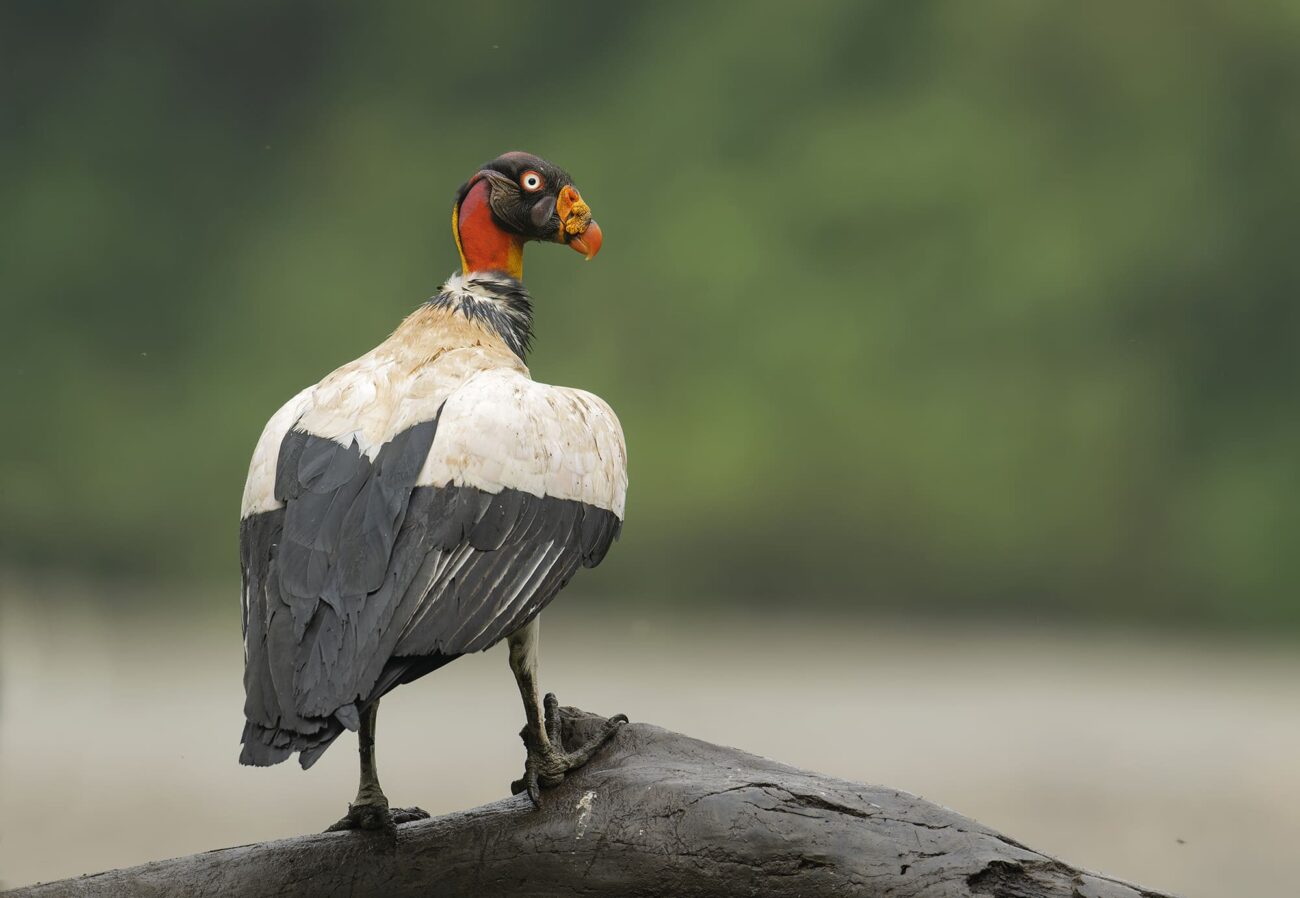
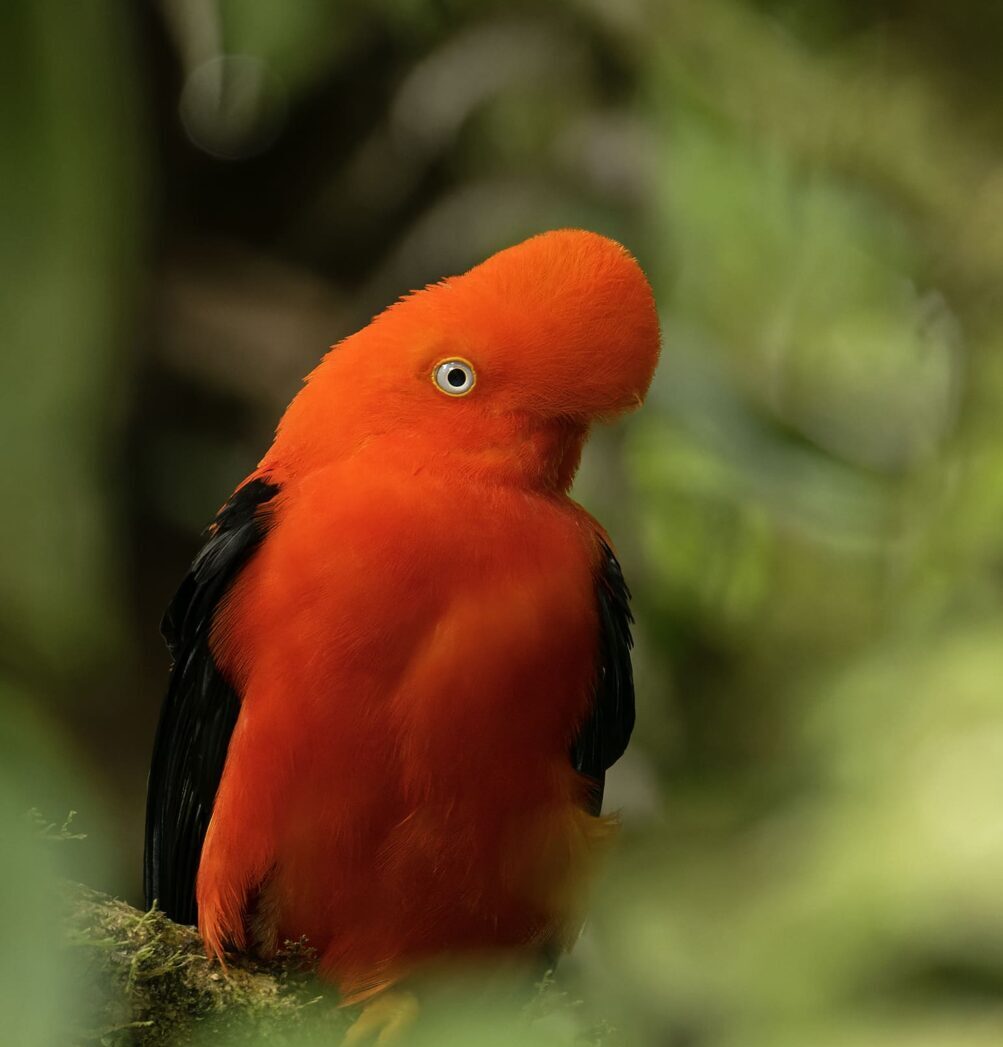
Peru stands out as one of the most biodiverse countries on the planet, ranking second in the world for bird diversity with over 1,800 species. Its geography, shaped by the Andes mountain range, creates a mosaic of ecosystems ranging from coastal deserts to the Amazon rainforest. This natural wealth is reflected in the constant discovery of new species and in an astonishing level of biological specialisation, where in small areas of the Amazon it is possible to spot hundreds of birds in a single day.
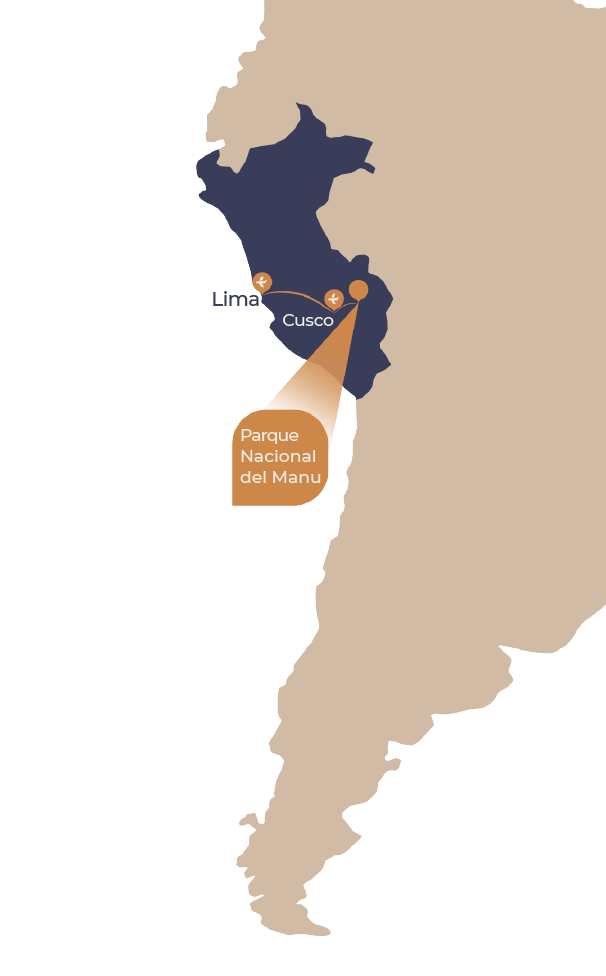
The proposed itinerary focuses on the Cusco region and culminates in Manu National Park, a pristine 1.7-million-hectare reserve renowned as one of the most biodiverse areas in the world. The tour is designed to allow for a leisurely exploration of different habitats, facilitating photography and wildlife spotting in an environment that is home to 10% of the world’s bird species. In addition to its ecological importance, Manu is a vital sanctuary where isolated indigenous communities and a vast array of wildlife still coexist.
Itinerary
Cusco
Upon arrival, transfer to the hotel. The first day will be spent resting to acclimatise to the Andean altitude (3,400 metres above sea level).
Machu Picchu
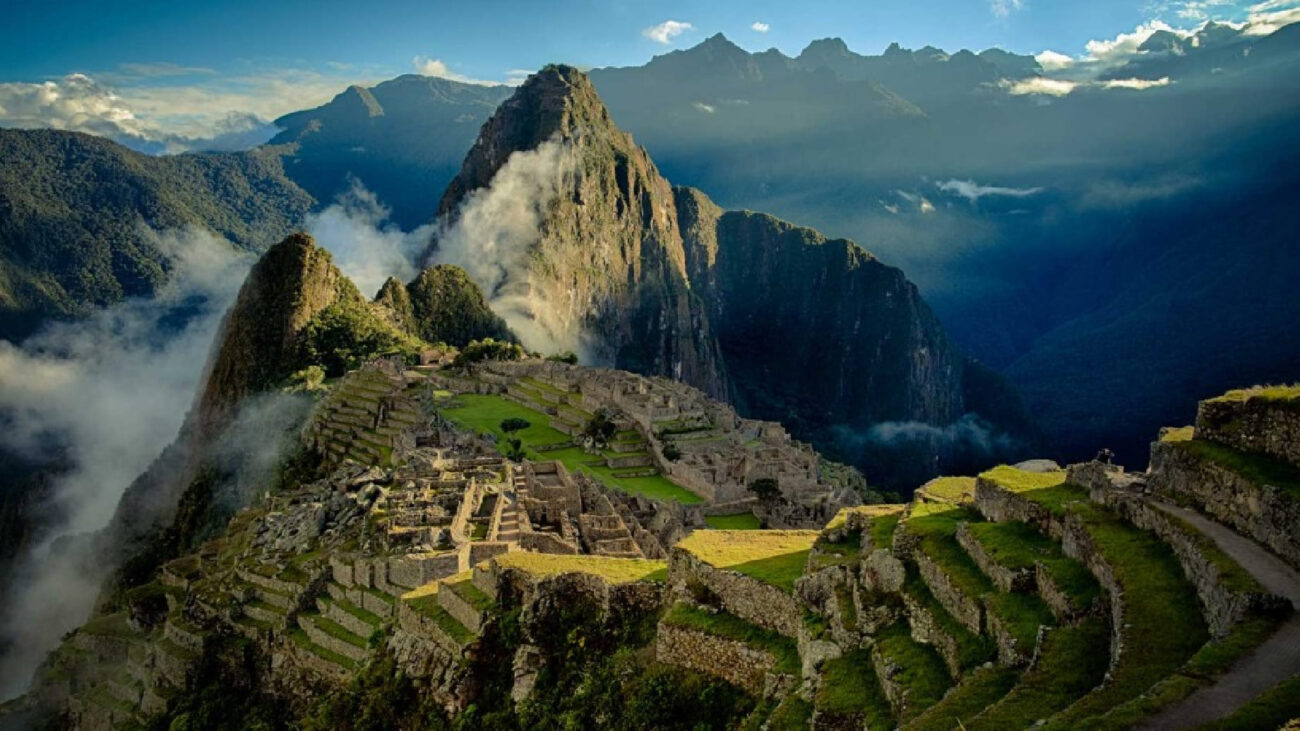
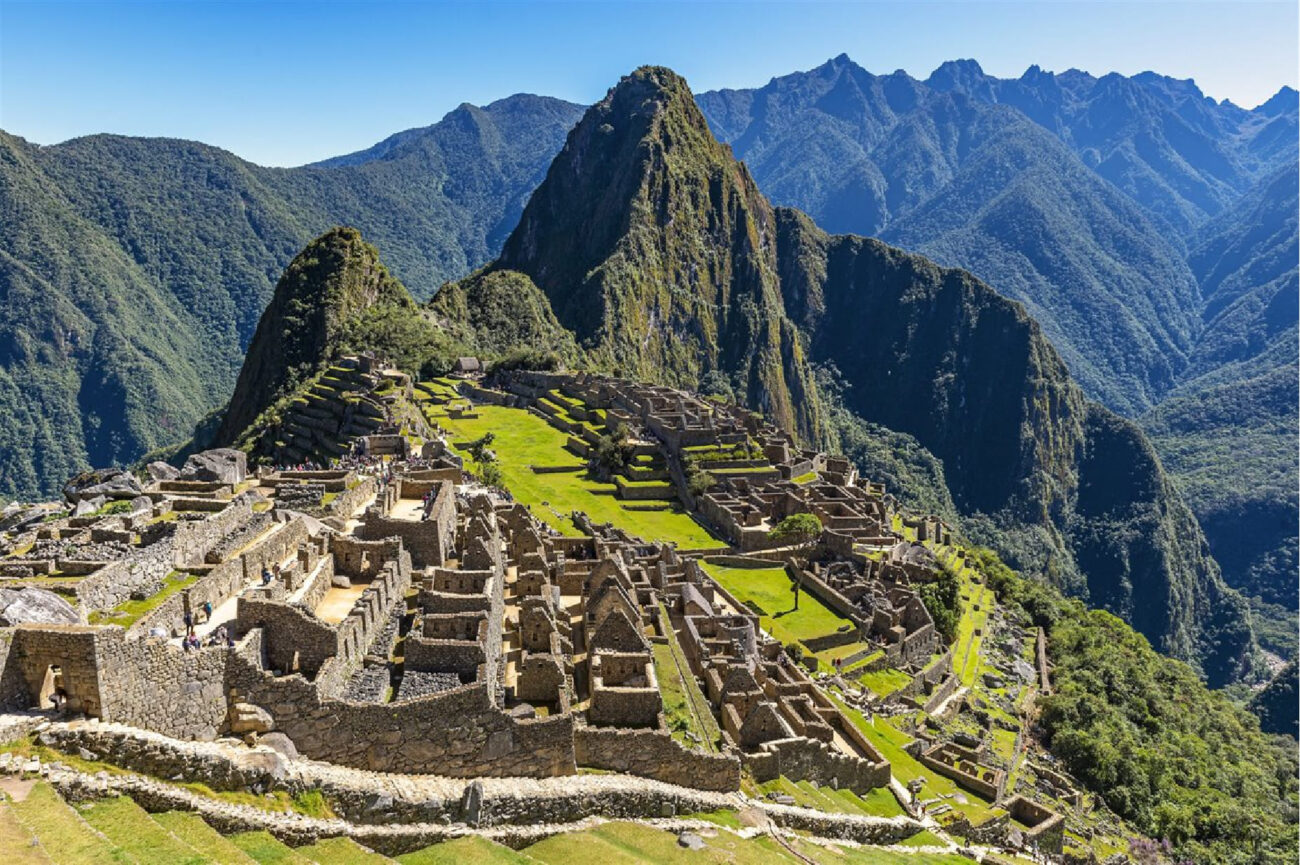
The visit to Machu Picchu will begin with a transfer to Ollantaytambo to catch a train to Aguas Calientes, taking in the Andean scenery along the Urubamba River. From there, we will travel by coach up to the Inca citadel, one of the Seven Wonders of the World and a UNESCO World Heritage Site. The visit lasts around three hours, after which we will return to Cusco, where we will spend the night in a hotel.
Wayquecha Biological Station
The photography tour to Manu National Park will begin with a 3½-hour drive from Cusco, taking in Andean landscapes featuring high plateaus, valleys and snow-capped mountains, as well as traditional communities such as Paucartambo. Along the way, you’ll have the chance to photograph various species of Andean birds, such as the Puna Ibis, the Andean Flicker and the Mourning Sierra-finch.
From the Acjanaco Pass, the route descends from the high plateau to the cloud forest and the Amazonian lowlands, offering a rich diversity of flora and fauna.
We will spend time exploring the higher areas of the park to observe a wide variety of species, before arriving at the lodge in the Kosñipata Valley, where we will spend the night. This lodge, surrounded by trails and featuring an elevated canopy walkway, offers a unique experience for birdwatching and photography, including hummingbirds and tanagers, in a natural environment rich in biodiversity.
Wayquecha Biological Station
A full day of photography at the Wayqecha Biological Station. We will start the day with a visit to the feeding stations for the Leymebamba Antpitta and two endemic antpittas: Urubamba Antpitta and Red-and-white Antpitta.
For the rest of the day, we will be working on the water and feeding stations and in the station’s gardens, making the most of the photographic opportunities offered by this cloud forest setting. Overnight stay at Wayqecha Biological Station.
Bamboo Manu Ecolodge
The journey will continue early along the Manu Road, descending towards warmer areas where you can spot various species of lowland and secondary forest birds. During the journey, we will stop at the Manu Endemic Station, renowned for the numerous hummingbirds that flock to the feeding stations. In the afternoon, we will arrive at the Bamboo Manu EcoLodge, a cosy lodge with wooden cabins, where we will spend the night. In its gardens, you can photograph various species of tanagers and other birds whilst enjoying local cuisine in a natural setting.
Manu Biological Station
In the morning, we will set off from the Bamboo Manu EcoLodge for the Manu Biological Station, located near Pillcopata, in a transitional zone between the Andes and the Amazon considered a hotspot for biodiversity, with over 650 recorded bird species. During the stay, we will explore the trails and the lagoon to observe and photograph numerous bird species, and we will also go on night walks in search of owls and other nocturnal species.
Visitors will also visit private reserves such as Mirador Pico de Hoz and Inka Amazonia, where they can photograph hummingbirds and other birds at waterholes and feeding stations. These areas offer unique experiences, such as the chance to observe rare species and even the majestic King Vulture from hides.
Cock of the Rock Lodge
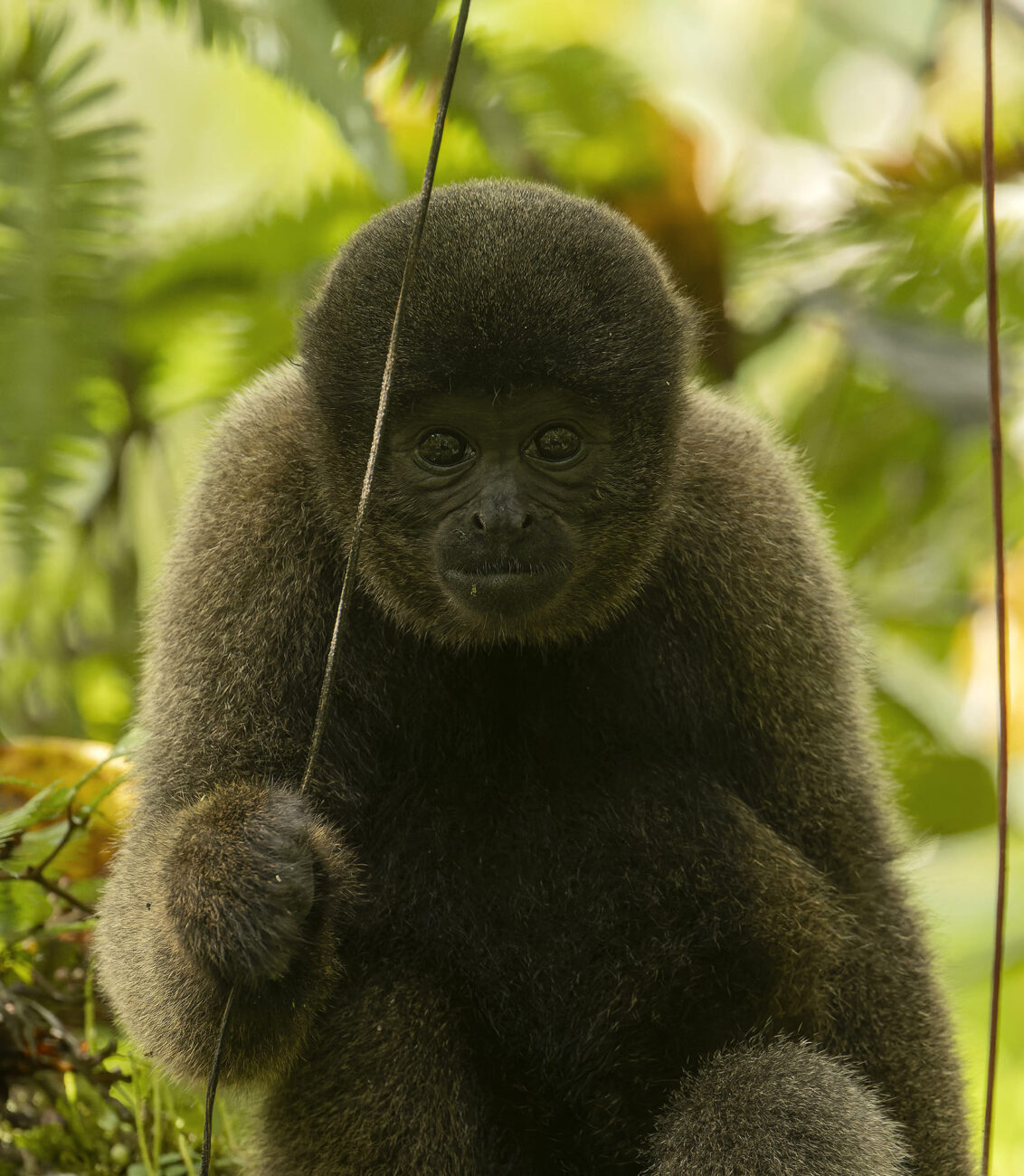
The journey will continue with the return trip along the Manu Road to the Cock-of-the-Rock Lodge, offering further opportunities to observe and photograph various species of birds and even mammals, such as the woolly monkey. This lodge, situated in the cloud forest at an altitude of 1,600 metres, offers a lush natural setting and comfortable, eco-friendly accommodation. From the dining room, you can photograph hummingbirds and other species visiting the gardens, as well as observe capuchin monkeys that frequent the area.
During the stay, we will also visit nearby sites such as the Manu Tanager Garden, where it is possible to photograph a wide variety of tanagers and hummingbirds, and an Andean cock-of-the-rock lek to observe their courtship rituals. In addition, we will make trips to the nearby river to see species such as the Torrent Duck. All in all, these days will offer excellent opportunities for wildlife photography in a stunning setting, with nights spent at this lodge.
Cock of the Rock Lodge - Cusco
We’ll set off early and make several photo stops along the way back to Cusco. We’ll have further opportunities to photograph species such as the Golden-headed Quetzal,, Crested Quetzal,, White-eared Solitaire,, Barred Fruiteater,, Blue-banded Toucanet,, Hooded Mountain Tanager,
Scarlet-bellied Mountain Tanager,, Golden-collared Tanager, Inca Jay,, Black-and-chestnut Eagle, and many more. Overnight stay at the Hotel Internacional San Agustín or similar in Cusco.
Cusco
Pick-up from the hotel and transfer to the airport.
Included/Not included
Included
- Transfers throughout the tour
- Tour guide during the trip
- Accommodation
- Full board
- Activities in hides, fully equipped for the experience
Not included
- International flight (check prices)
- Drinks and personal expenses
- Private health and travel insurance
- Tips for staff
Recommendations
We recommend booking a flight departing in the evening of 5 September or in the early hours of 5–6 September. This way, you’ll arrive in Cusco in the morning and can spend the first day resting to acclimatise to the altitude in this Andean city.
The weather is highly variable, ranging from cold conditions in Cusco at night and in the higher elevations of Manu National Park
, to a mild and humid climate in the cloud forest, and a hot and humid climate in the
Amazon rainforest. There is always a chance of rain.
You will need warm clothing and a raincoat to protect yourself from the damp and rain. You will also need them to keep warm at night.
Comfortable, waterproof footwear with good grip. Hiking boots.
Clothing in muted colours. You should prioritise comfortable, lightweight, long-sleeved clothing to
protect your skin from insects in areas where there are large numbers of mosquitoes.
You can also use a mosquito net to protect your face from mosquito bites.
A cap or wide-brimmed hat.
– DSLR or mirrorless camera
– Lens with a focal length of at least 300 mm
– Wide-angle lens
– Macro lens, if you’re interested in macro photography
– Tripod or monopod
– Flash
– Extra batteries and SD cards
You need to know
The mains supply is 220V/60Hz with type A/B/C sockets featuring flat or round pins, so you will need a flat-pin adapter. We recommend bringing a portable power bank to charge your electronic devices, even in accommodation where access to mains power is limited.
Frequently Asked Questions
What sort of trip is it, and which parts of Peru does it cover?
This is a 13-day trip focusing on bird and nature photography, following a linear route between the Andes and the Amazon, from Cusco and the Sacred Valley to Manu National Park. The itinerary includes visits to biological stations and lodges specialising in ornithology.
What level of fitness is required, and how do you cope with the altitude?
Easy to moderate. Most of the gardens are easily accessible, but occasionally a short walk
uphill or downhill is required to reach the feeding stations and hides. We will explore Machu Picchu
on foot.
What kind of photographer or observer is this trip looking for?
The trip is designed for birdwatchers and nature photographers of intermediate level and above, although expert knowledge is not essential. We work with very small groups (maximum 6 people) and are accompanied by a tour leader and specialist local guides, ensuring that each participant receives personalised assistance with both species identification and photographic technique.
What are the accommodation options like, and what do the arrangements include?
The hotel in Cusco is a 3-star establishment. The lodges in Manu National Park are comfortable and clean, with en-suite bathrooms and hot showers, except for the Bamboo Manu Eco Lodge, which only
has cold showers.
Wi-Fi and electricity are available in the cabins and in the dining areas of the lodges for charging mobile phones, camera batteries and other devices.
What sort of weather and conditions should I expect, and what kit is advisable to bring?
The trip takes place during the dry season, with a temperate and rainy climate: cooler temperatures in the high Andean regions (around 8 °C) and a warm, humid atmosphere in the low-lying Amazonian areas (around 27 °C). We recommend packing in layers, with something warm for the early mornings, a light waterproof jacket, protection against rain and humidity, as well as photographic equipment including a telephoto lens, a lightweight tripod or monopod, and sufficient batteries and memory cards to capture the route’s enormous diversity of birds.
Manu National Park and Machu Picchu
13 days
From
5.120€
Per person
From 6 to 18 September 2026
Price for a group
minimum of 4 people
€5,990 per person
Price for a group
minimum of 6 people
€5,120 per person