
PHOTOGRAPHY GETAWAY
Grebe, Great Crested Grebe and White-headed Duck
El Taray en primavera con hidrohide
- Between 15 May and 15 July
- El Taray
- Maximum 6 people
- Low physical demands
- 1.140€
Summary
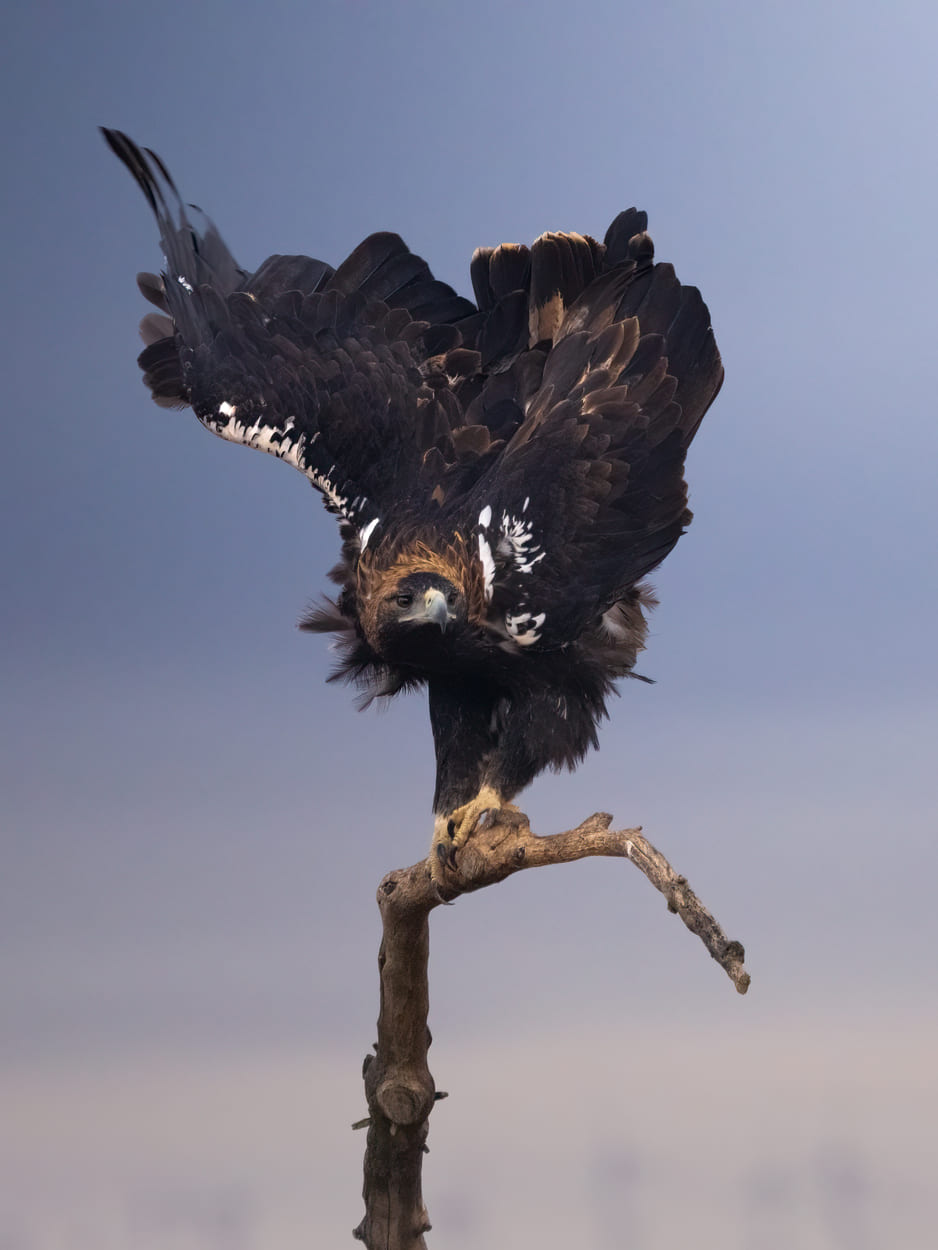
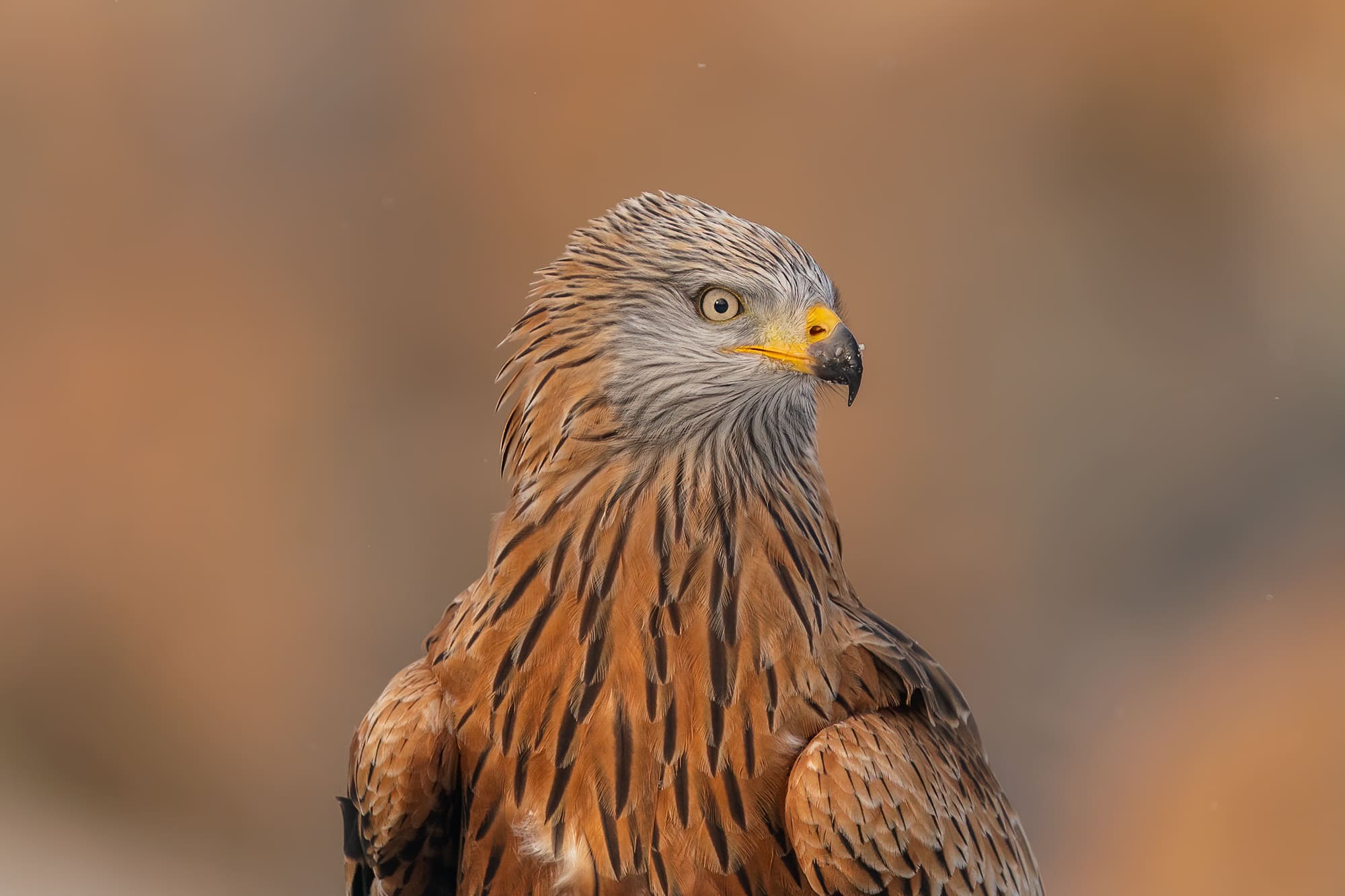
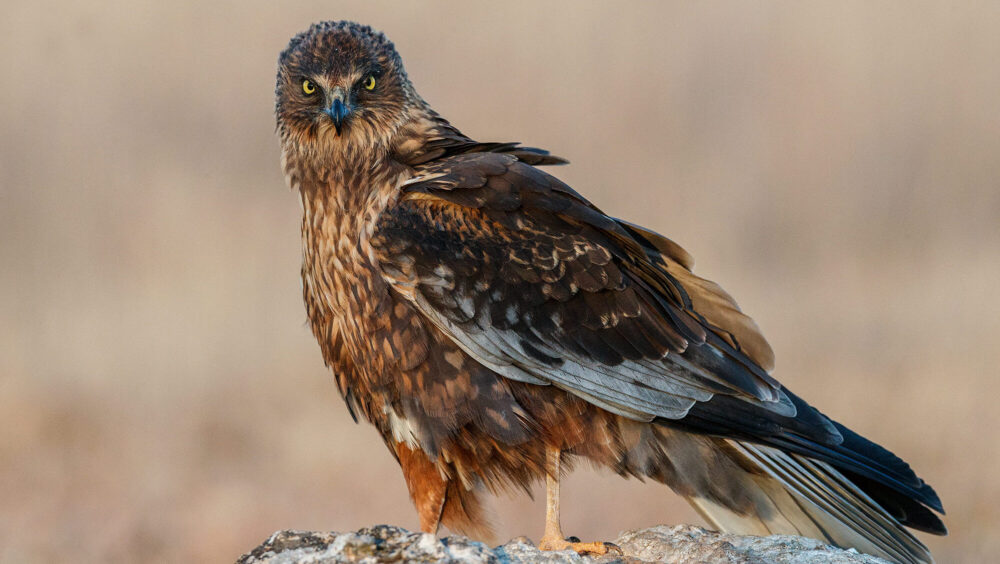
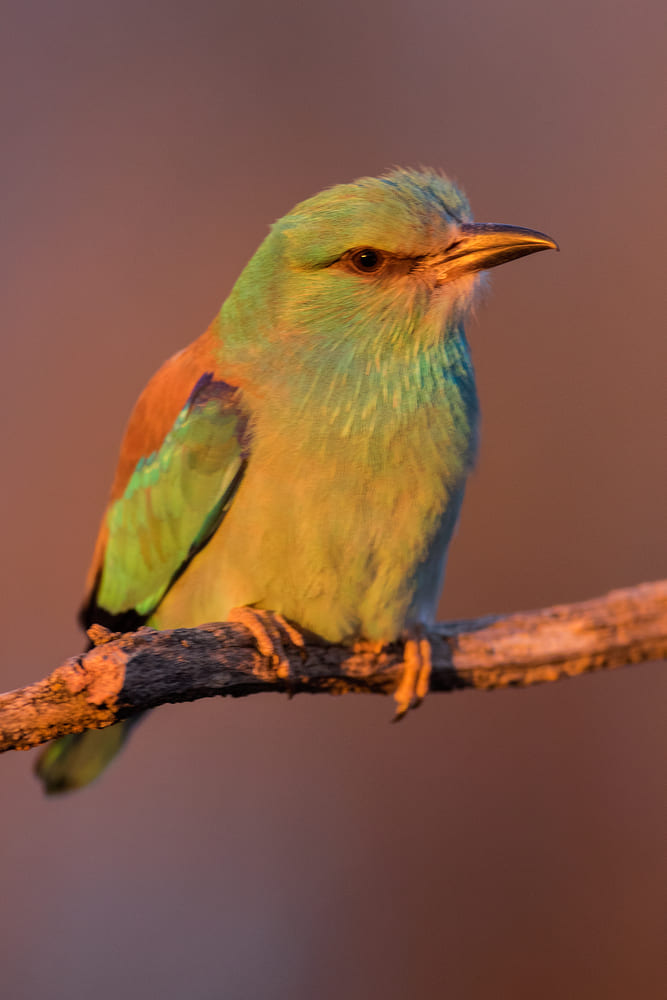
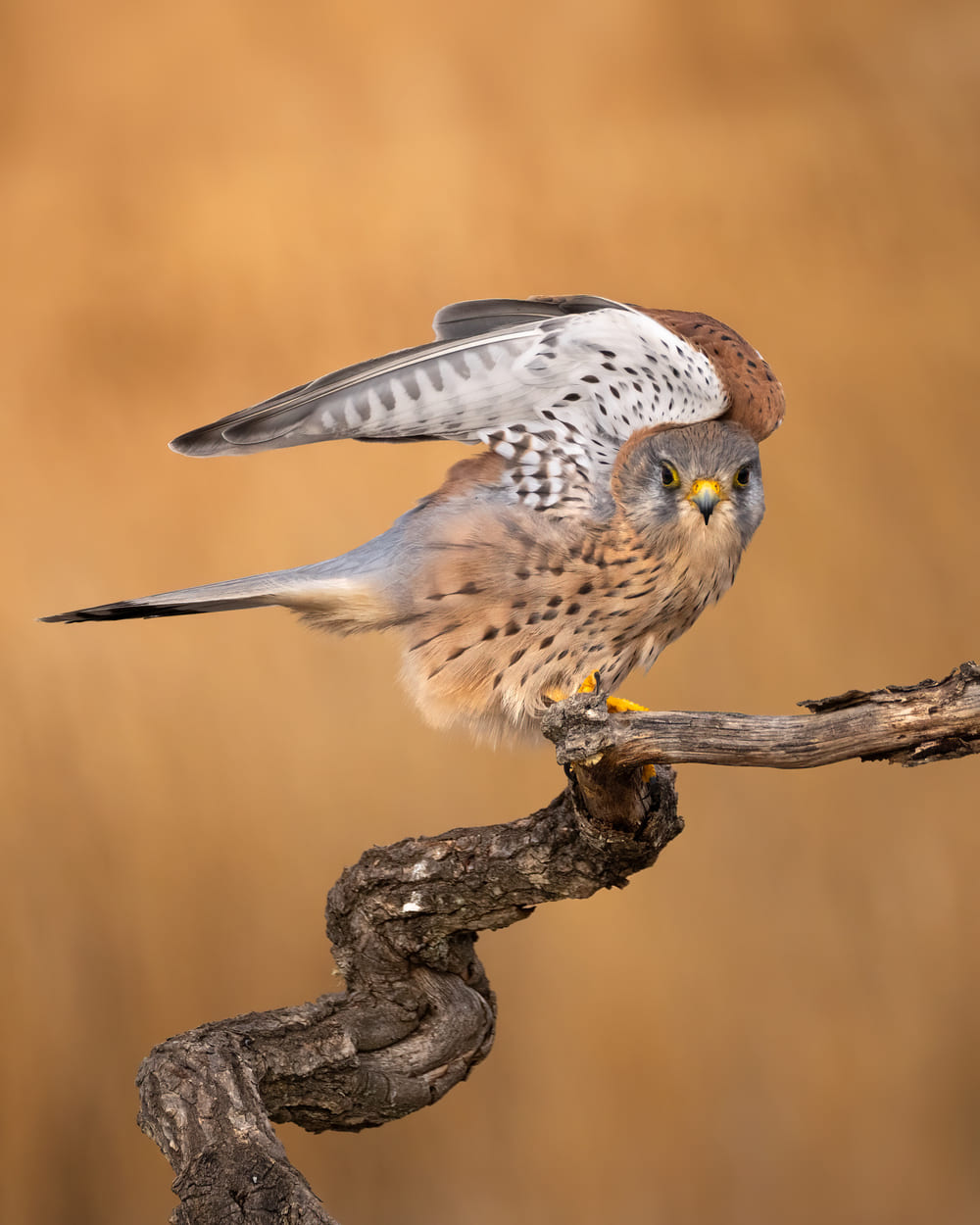
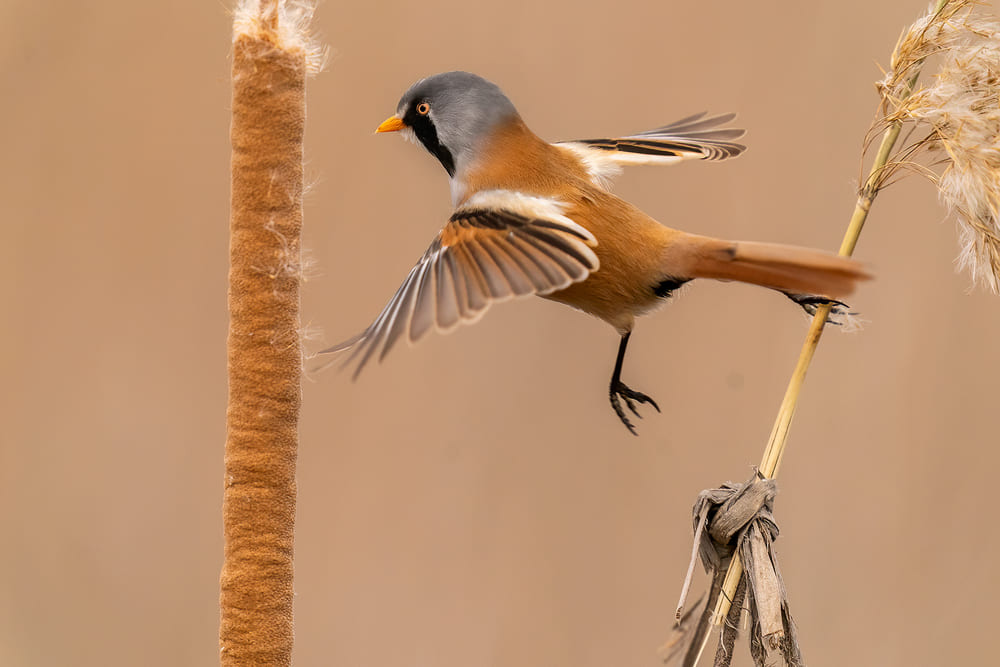
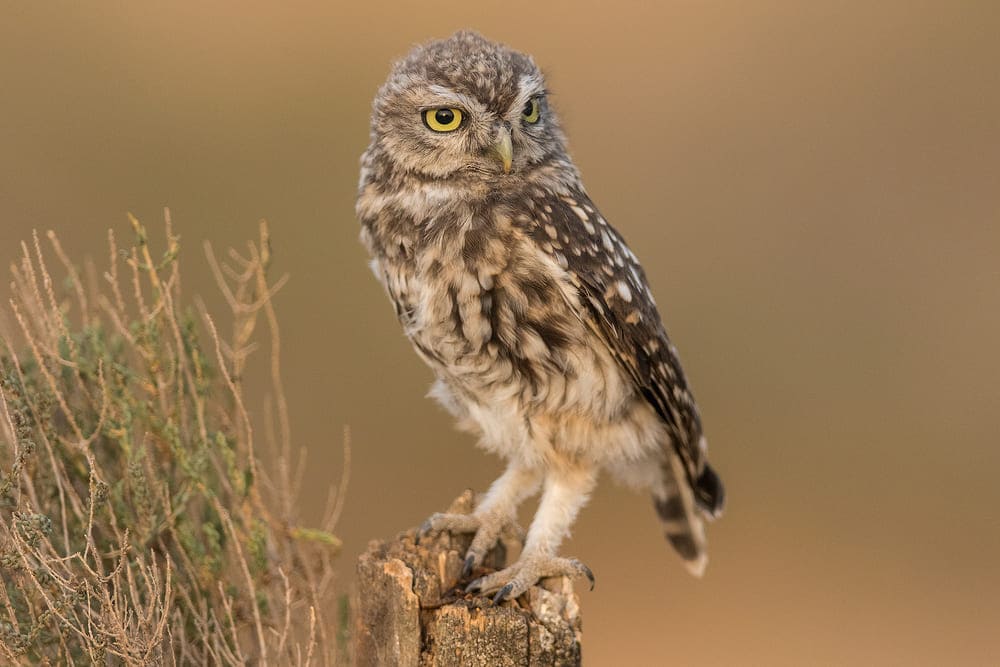
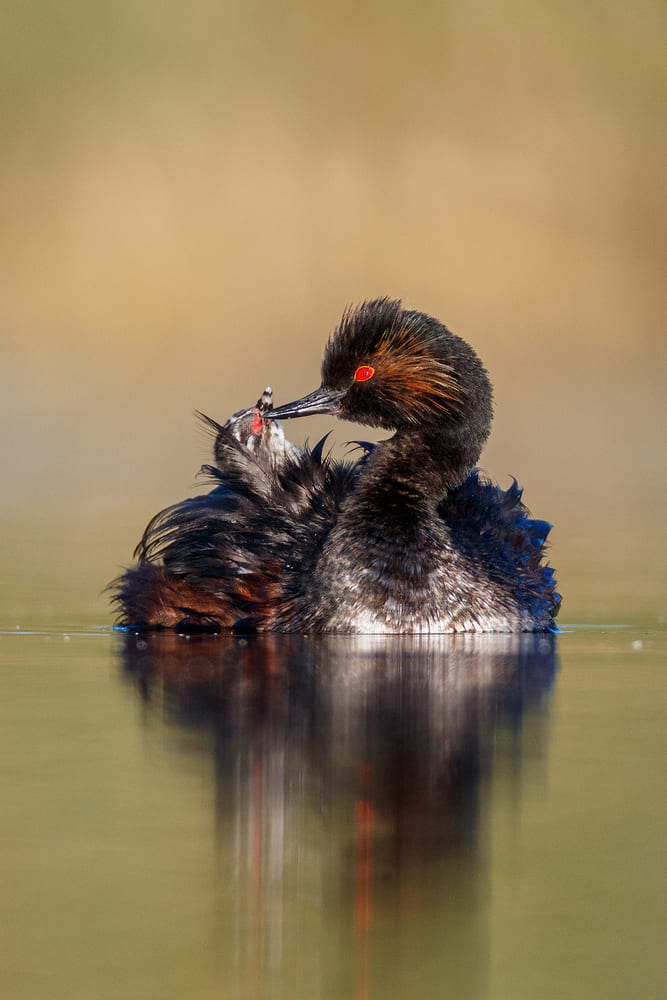
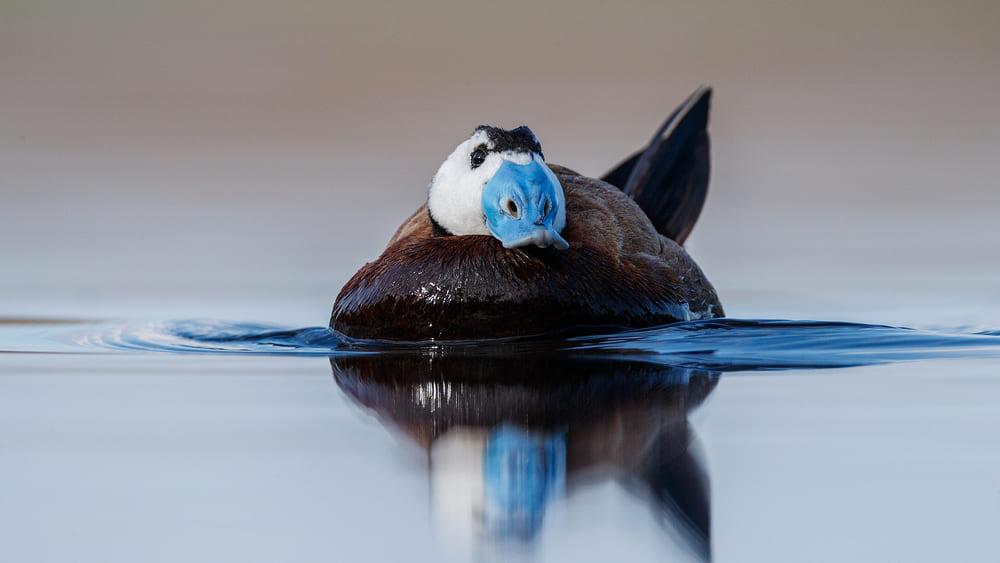
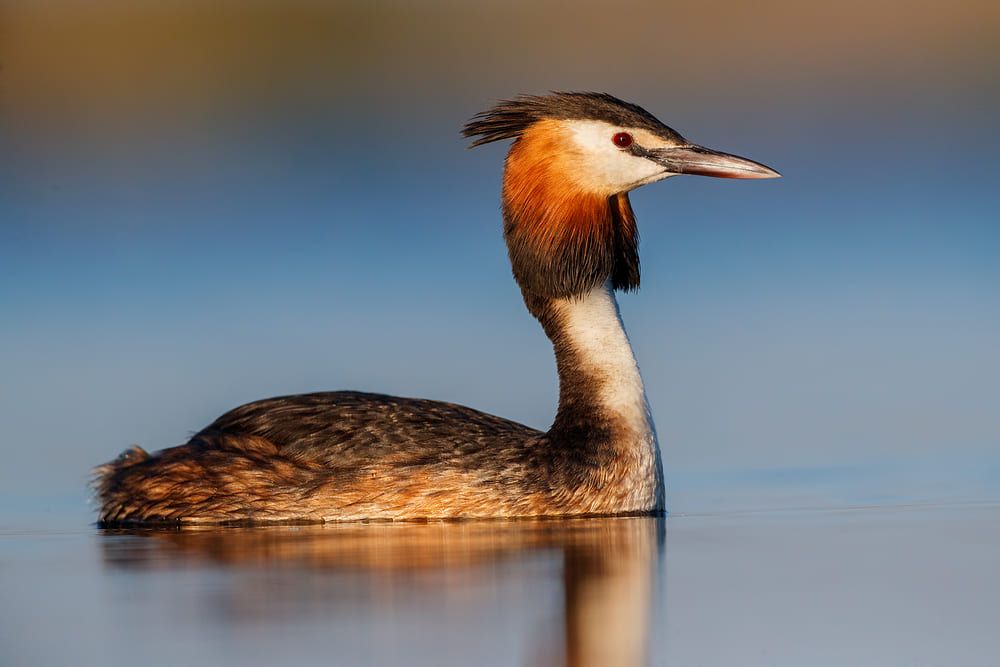
The getaway «Zampullín cuellinegro, Somormujo lavanco y Malvasía cabeciblanca: El Taray en primavera con hidrohide» is designed to explore one of Spain’s most outstanding wetlands for waterbird photography. During spring, the hides at El Taray offer exceptional opportunities to photograph iconic species at the height of their breeding season, when they display their most striking plumage and exhibit some of their most fascinating behaviours.
Throughout this experience, we will focus on three of the species most sought after by nature photographers: the black-necked grebe, the great crested grebe and the white-headed duck. Furthermore, the rich birdlife of the wetland will provide opportunities to photograph many other waterbirds and waders, making each session a unique chance to expand your portfolio with high-quality images.
Itinerary
Morning: arrival in Villacañas, a town near El Taray, in the morning.
Afternoon:: Wader hide.
Morning: El Espartal hide.
Afternoon:: Drinking Casa de Labor hide.
Morning: Hidrohide.
Afternoon:: Little owl hide.
Morning: Hoya de Linares hide.
Afternoon:: La Lagunita.
Morning: Hidrohide.
Afternoon:: Common kestrel hide.
Morning: Masiega hide.
Included
- Accommodation
- 10 sessions at hide
- Professional guide
- Basic insurance
Recommendations
For this trip, we recommend using a telephoto lens of between 400 and 600 mm, or an equivalent zoom lens (100–500 mm, 150–600 mm or 200–600 mm), which will allow you to photograph both small birds and birds of prey and waders whilst maintaining a respectful distance.
A second camera body with a shorter lens (70–200 mm or 24–105 mm) can be very useful for taking environmental shots, landscapes or behavioural scenes when the birds approach the hide. It is also advisable to bring spare batteries, sufficient memory cards, a tripod or monopod if deemed necessary, and protection for your equipment in case of rain or dust.
The photo sessions will mainly take place from hides, so it is advisable to wear comfortable, breathable clothing suitable for spring weather conditions. Temperatures may be cool in the early hours of the day, so it is a good idea to dress in layers and bring a light jacket.
We recommend wearing comfortable footwear for the short walks to the hides, as well as a cap, sunglasses and sun cream. Although the activity takes place from specially equipped hides, it is advisable to wear muted colours to ensure that wildlife is observed with due respect.
You need to know
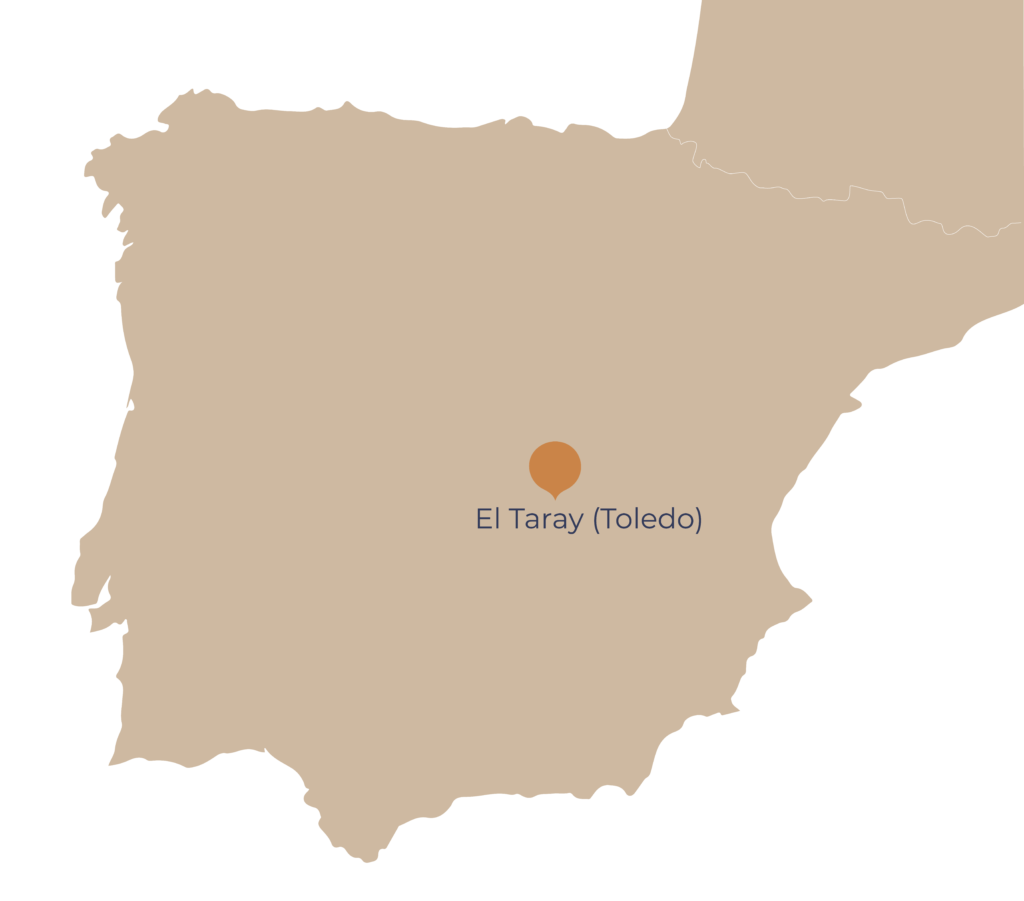
Once we arrive at El Taray, our hide keepers will take the participants to the relevant hides. The sessions take place from specially designed photography hides, which are designed to minimise the impact on wildlife and offer the best opportunities for photography.
Little Grebe, great crested grebe and white-headed duck. El Taray in spring with hydrohide
6 days
Per person
If the maximum group size is not reached, the trip may still go ahead subject to payment of a supplement.
Frequently Asked Questions
What sort of trip is this?
This is a nature photography getaway in one of the best destinations for birdwatching and bird photography in Spain: El Taray. Throughout the trip, we’ll alternate between sessions at various hides and make the most of our hydrohide to photograph a wide variety of species in their different natural habitats.
Do I need previous experience in nature photography?
No. This trip is designed for both experienced photographers and amateurs who want to get started or improve their technique. Our guide will advise you during the sessions on how to make the most of the light, the birds’ behaviour and your camera settings.
What species will we be able to photograph?
The stars of this trip will be the black-necked grebe, the great crested grebe and the white-headed duck, three of the most iconic species found in Iberian wetlands during spring.
Furthermore, the extraordinary biodiversity of El Taray offers the chance to photograph other waterbirds and waders that frequent the lagoons and reedbeds, such as stilts, avocets, black-winged stilts, plovers and various species of ducks and herons. The presence of particular species will depend on the time of year and natural conditions, ensuring that every photography session is unique and offers new opportunities for the nature photographer.