
SWEDEN
The Awakening of the Scandinavian Forest
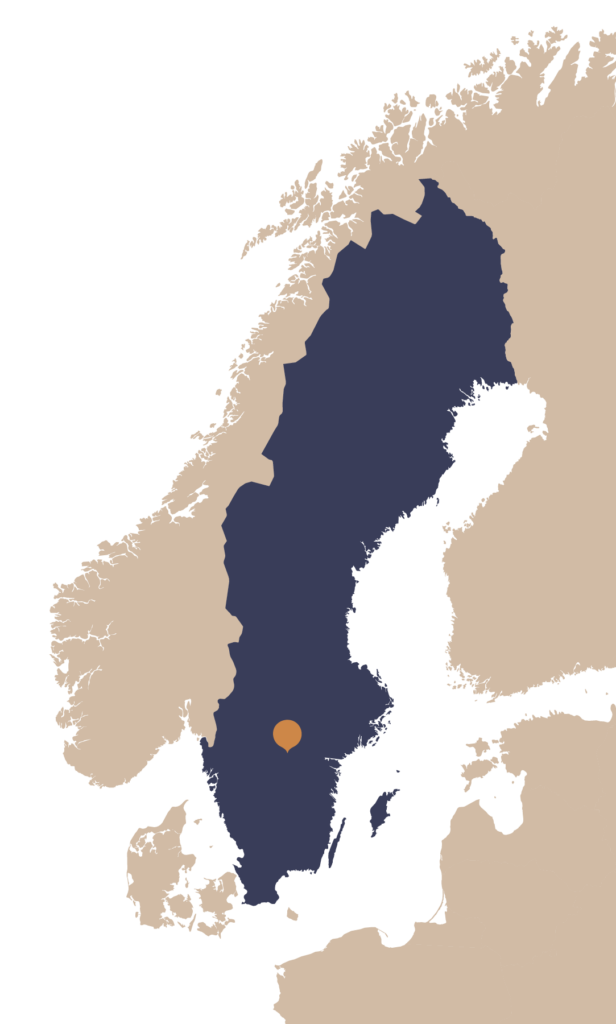
Capercaillie and black grouse in Tiveden National Park
- 11 al 17 abril 2027
- Sweden
- Máximo 5 personas
- Good physical fitness
- 3.600
Summary
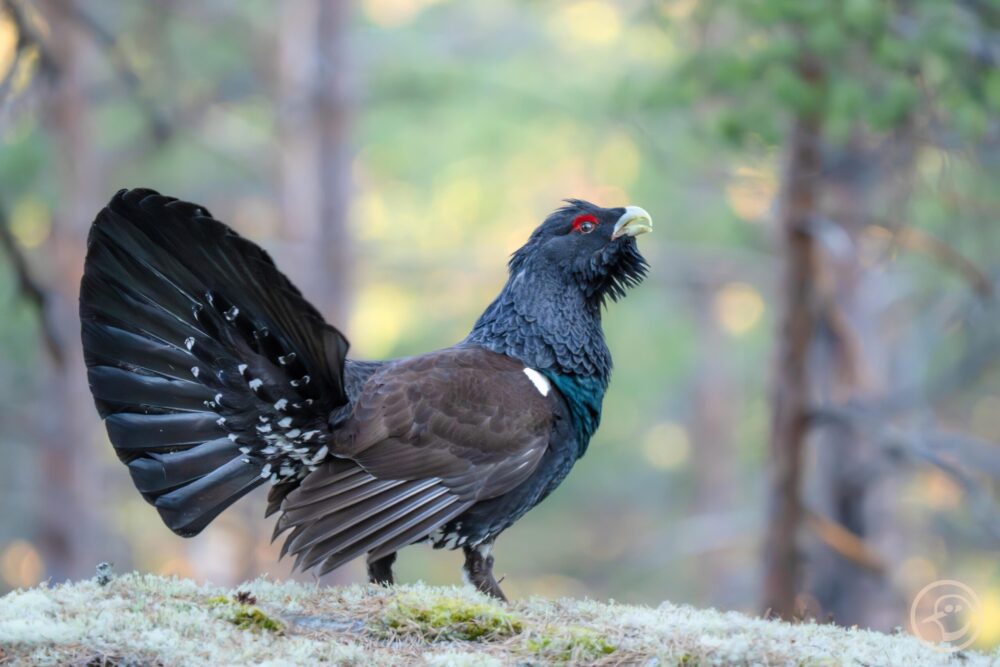
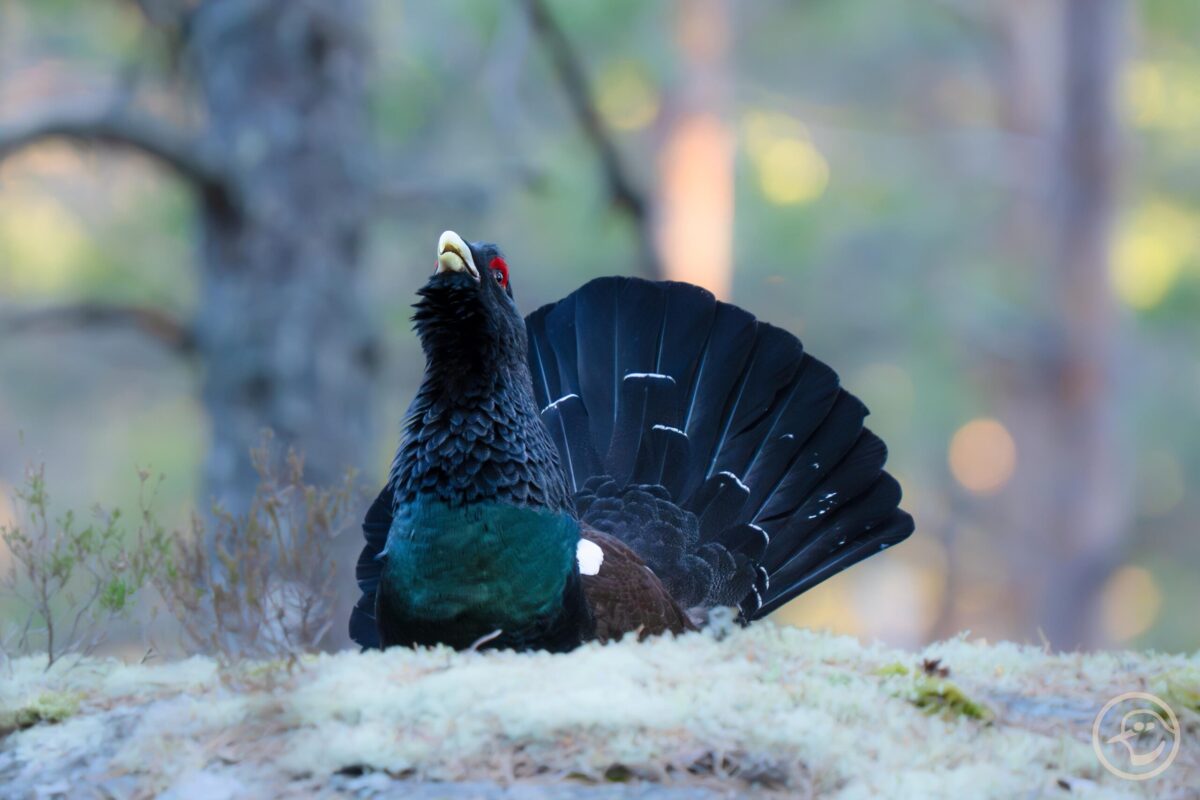
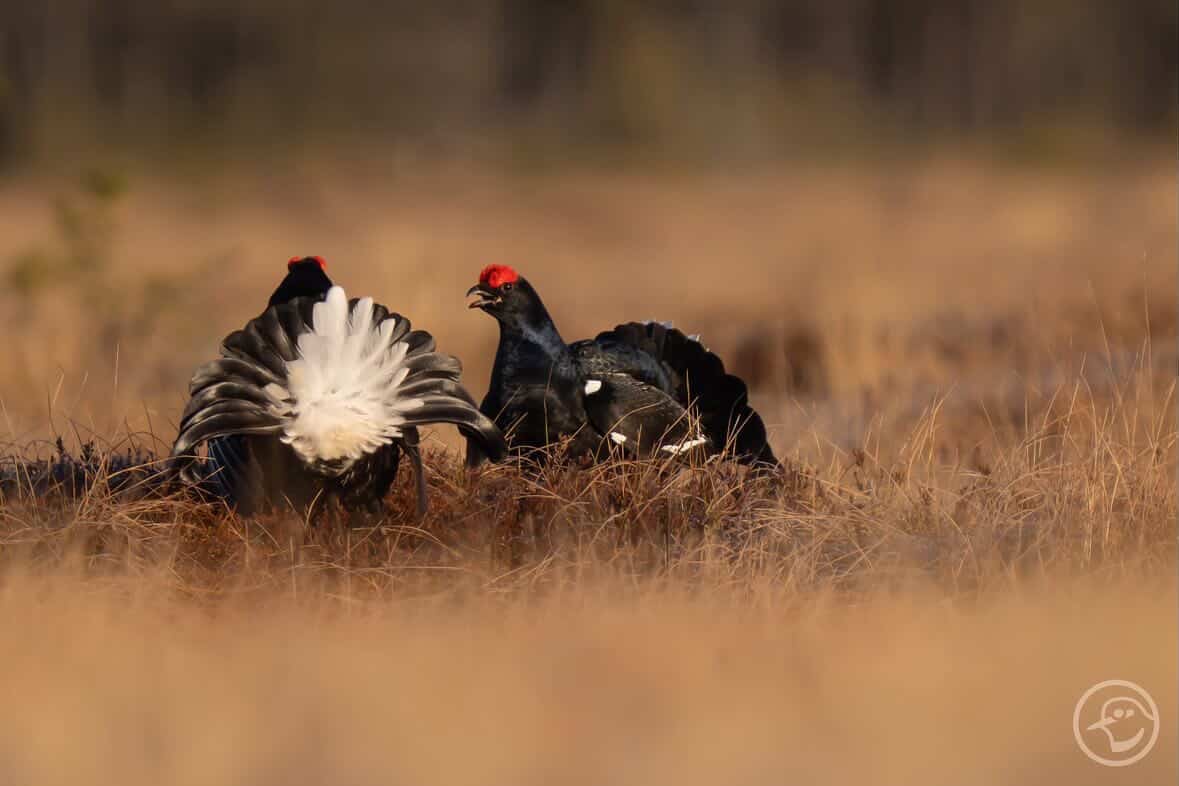
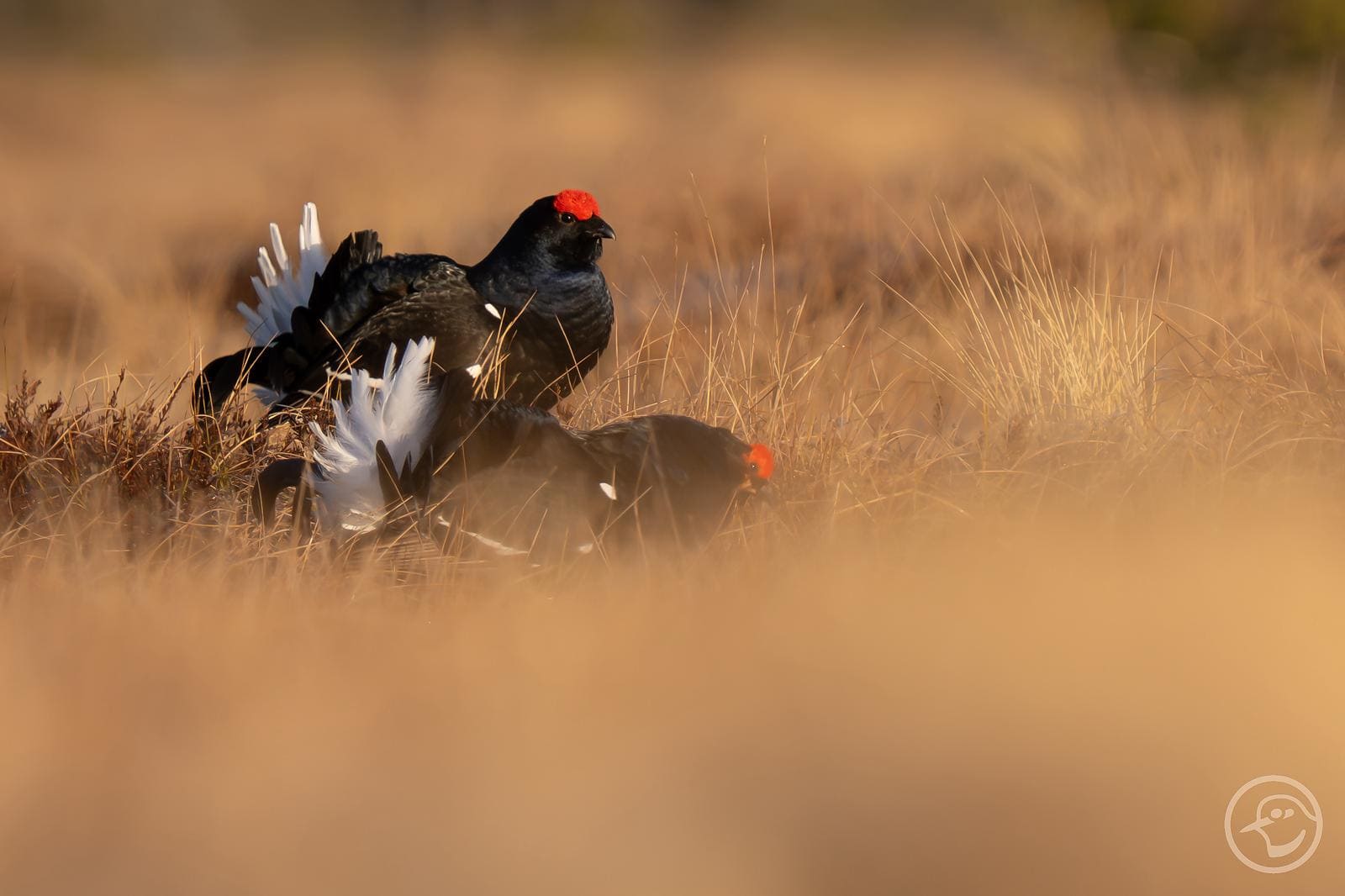
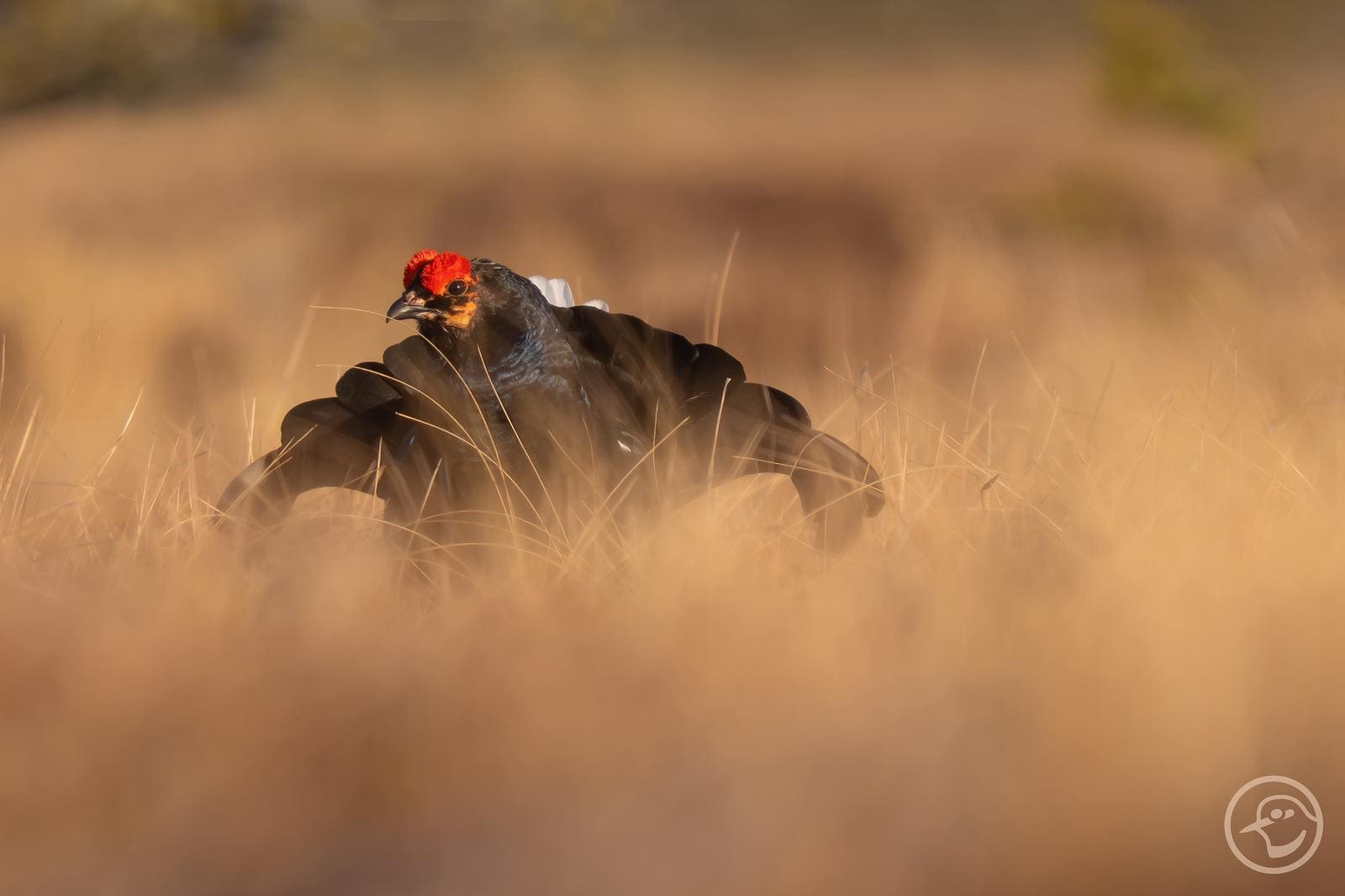
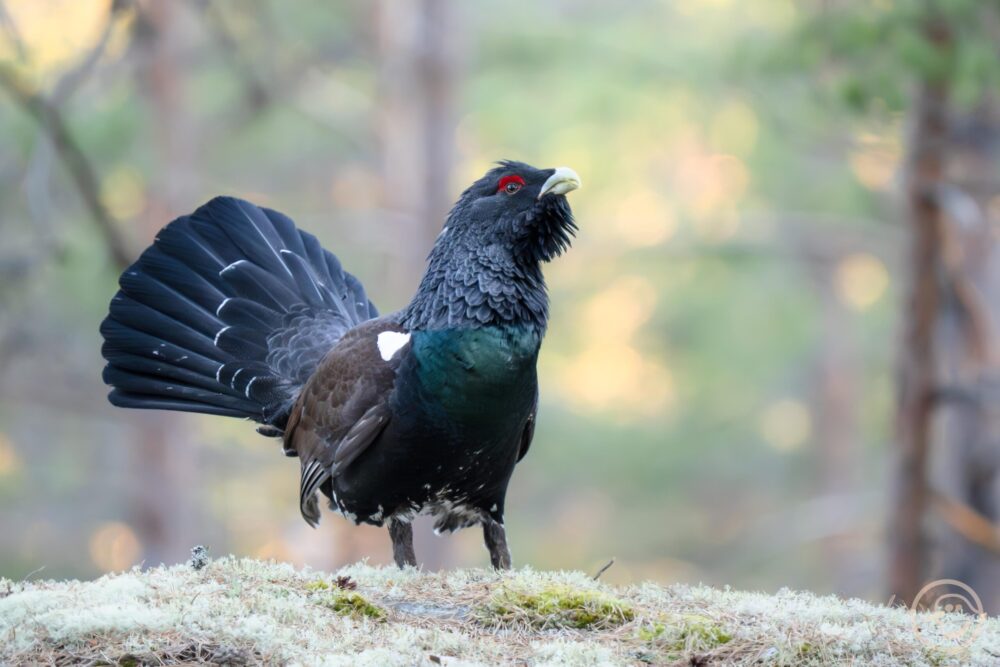
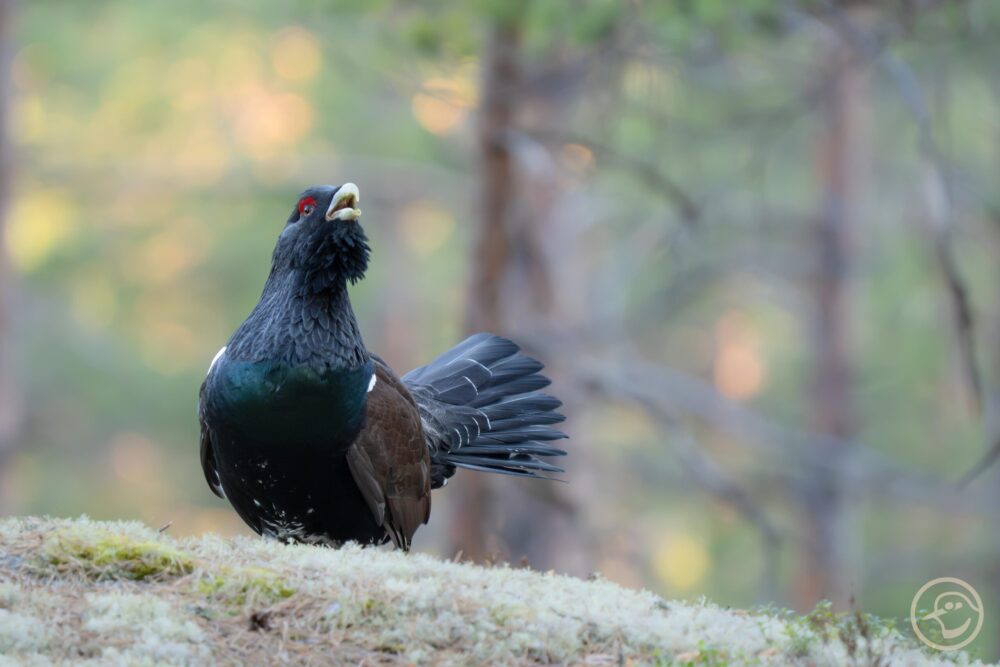
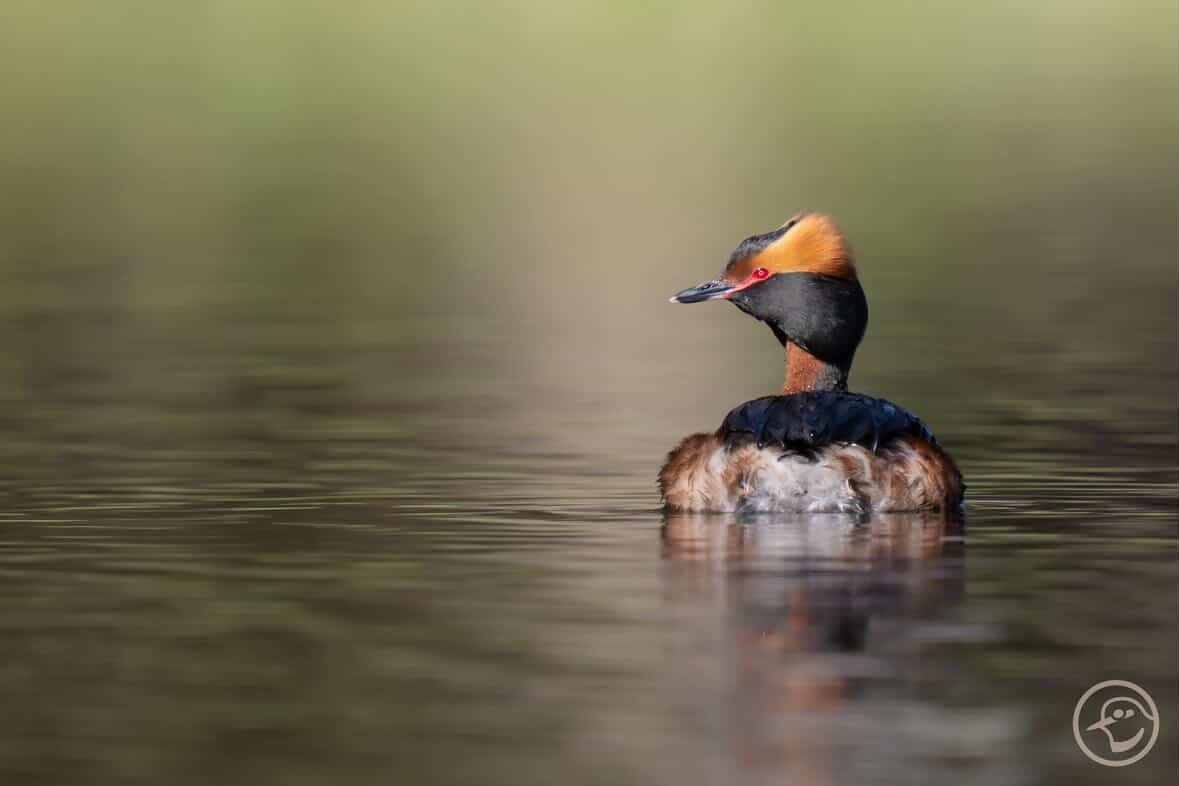
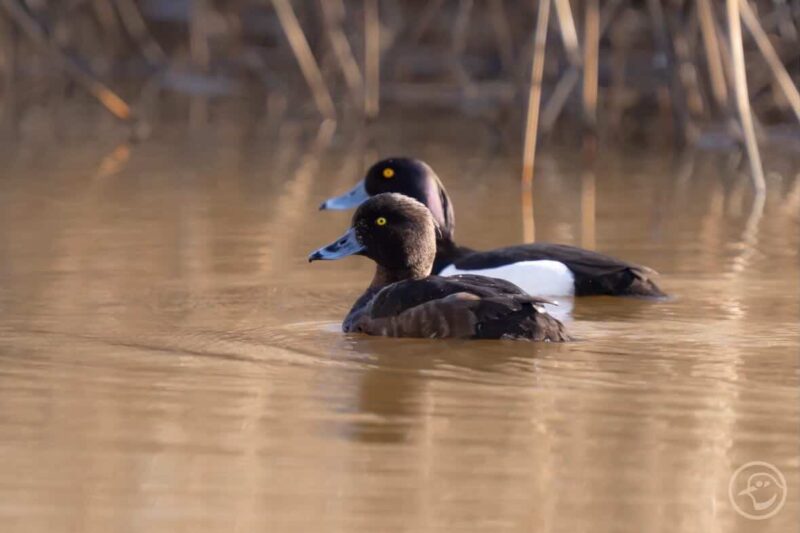
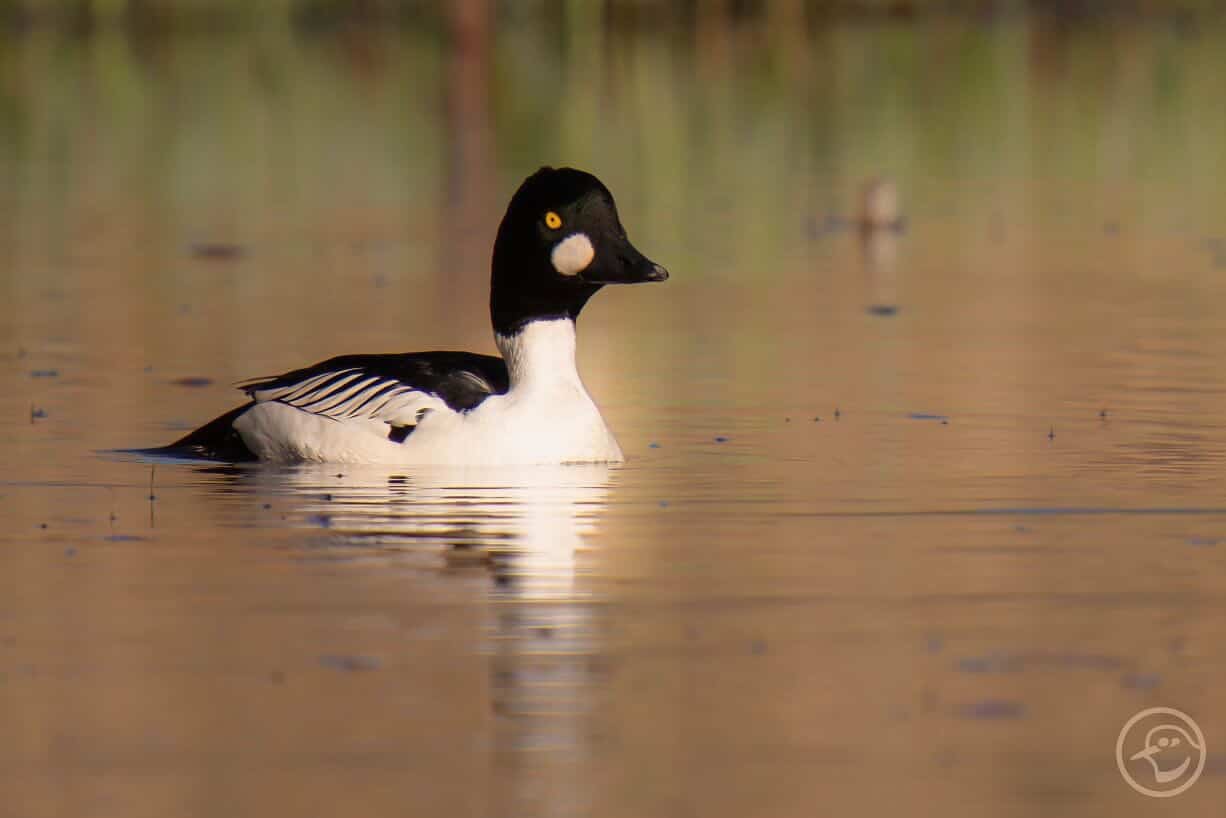
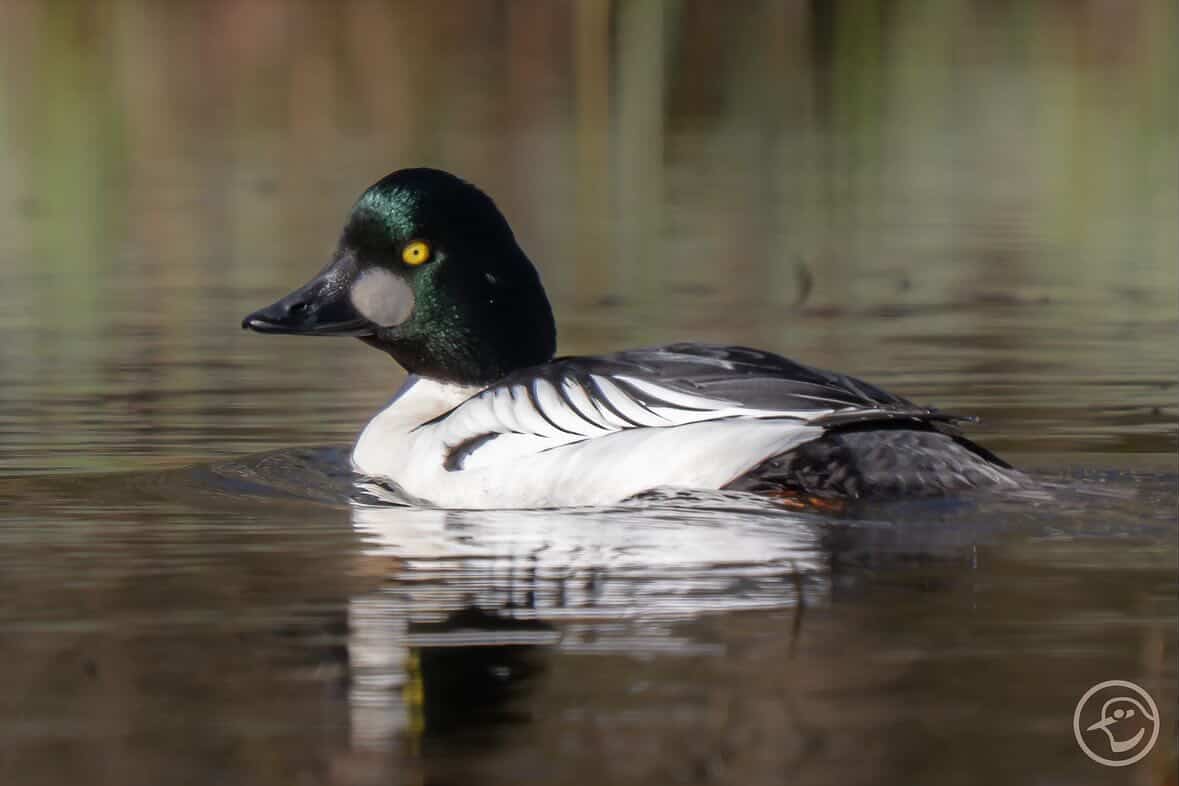
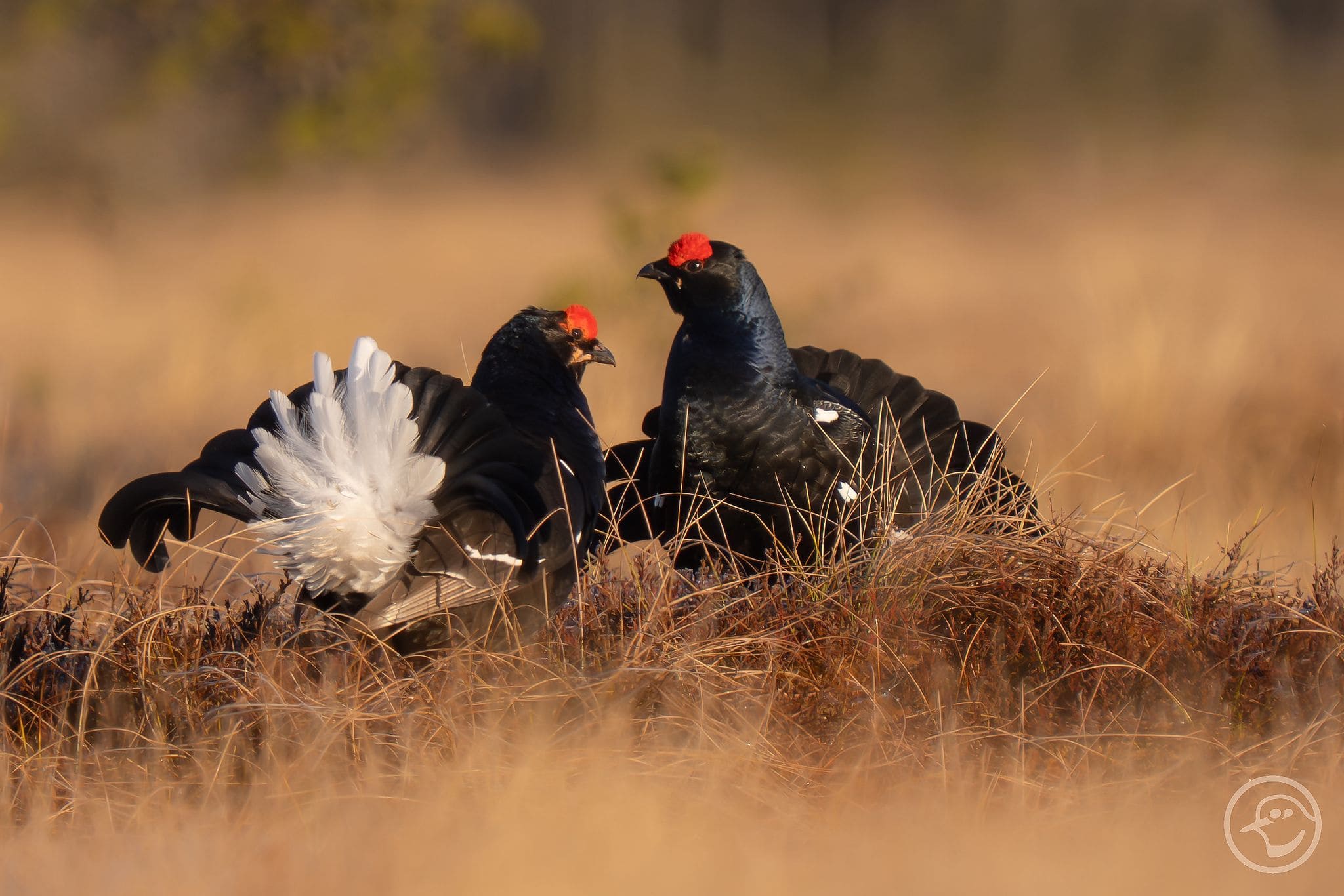
El programa incluye varias sesiones en los leks de urogallo y gallo lira, con horarios adaptados a la actividad de las aves y el acompañamiento de guías especializados. La experiencia exige paciencia, silencio y respeto por la naturaleza, pero ofrece la posibilidad de obtener imágenes únicas de estas especies en su hábitat. Con un grupo reducido de máximo cinco personas, este viaje combina fotografía de fauna, inmersión en la taiga sueca y una experiencia de observación responsable en uno de los mejores destinos de aves del norte de Europa.
Itinerary
Arrival in Sweden
Recepción en el Aeropuerto de Arlanda y traslado al alojamiento. Reunión para cenar y explicar las pautas de comportamiento en los leks y se darán consejos útiles a nivel fotográfico para las sesiones. Por la tarde-noche, nos desplazaremos hasta el lek del gallo lira. Accederemos a los hides y prepararemos el equipo antes de pasar la noche en su interior.
1ª Sesión de gallo lira y preparación para el urogallo
La jornada comenzará a las 03:30 h, con nuestra primera sesión de fotografía y observación del We travel to Sweden in search of two of the most characteristic species of spring in the taiga: the capercaillie. Al finalizar, regresaremos al alojamiento para almorzar, descansar y preparar el equipo para la siguiente etapa del viaje: las sesiones de urogallo. A las 16:00 h nos trasladaremos hasta el punto de inicio del recorrido hacia su zona de celo. Desde allí realizaremos una caminata de hasta 1 km para llegar a los hides. Una vez dentro, organizaremos los puestos fotográficos y pasaremos la noche en su interior.
1ª y 2ª Sesión de urogallo
A las 03:30 h comenzará nuestra primera sesión de fotografía y observación del urogallo. Tras la sesión regresaremos al alojamiento para almorzar y un breve descanso. Por la tarde volveremos a la zona de celo. A partir de las 16:00 h nos instalaremos de nuevo en los hides, donde prepararemos el equipo y pasaremos la noche para la sesión de la mañana siguiente.
2ª y 3ª Sesión de urogallo
Repetimos la dinámica del día anterior. Segunda y tercera sesión de urogallo.
3ª Sesión de urogallo
Comenzaremos la jornada con la tercera sesión de fotografía y observación del urogallo. Después regresaremos al alojamiento para almorzar y descansar. La organización de la tarde-noche dependerá de los resultados obtenidos hasta ese momento. Podremos cenar y descansar en el alojamiento o preparar una sesión adicional para la madrugada siguiente.
Sesión de gallo lira u observación de otras especies
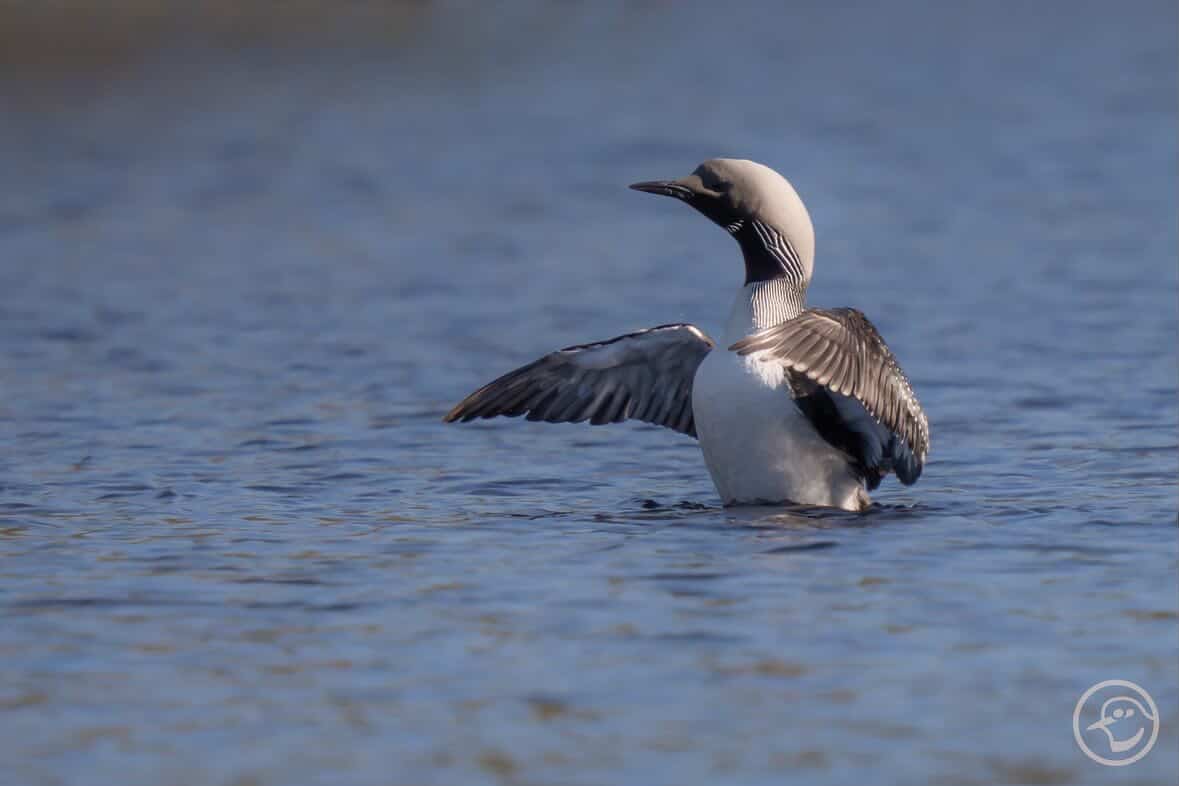
Esta jornada ofrece cierta flexibilidad para adaptar el programa a los resultados de los días anteriores. Podremos realizar una segunda sesión de gallo lira o dedicar el día a la búsqueda y fotografía de otras aves de la zona, como colimbos árticos, colimbos chicos y somormujos. Por la noche, cena de despedida en la última noche en el alojamiento.
Día de regreso
Desayuno y salida del alojamiento. En función del horario de los vuelos, desayunaremos antes de partir o dispondremos de un desayuno para llevar. Traslado al aeropuerto de Estocolmo-Arlanda para tomar los vuelos de regreso.
Included/Not included
Included
- Transfers throughout the tour
- Tour guide during the trip
- Accommodation
- Full board
- Activities in hides, fully equipped for the experience
Not included
- International flight (check prices)
- Drinks and personal expenses
- Cualquier servicio no especificado en el apartado “Incluido”
Recommendations
This programme does not include flights to and from Stockholm Airport. These flights will be booked individually, depending on each participant’s point of departure.
Temperatures can still be quite low in April. You should therefore make sure you pack warm clothing for this trip.
La ropa que utilicemos en general debe ser impermeable para poder mantenernos secos en todo momento. Vestimenta que no haga ruido (preferentemente tejidos de algodón para las prendas exteriores).
Recommended layers and clothing:
First layer: merino wool jumper
Base layer: merino wool trousers
Two pairs of merino wool socks
Warm woollen socks
Woolly hat
Thick woollen jumper
Warm woollen trousers
Gloves
Balaclava to cover the face
Sleeping bag / sleeping bag liner
Wellies
Thermos flasks containing coffee, milk or hot tea (wrapped in a sock to prevent them from making noise)
Drinking cup
Head torch or torch
Backpack
Camera and lenses
Batteries (spare batteries should be kept close to the body to protect them from the cold)
Memory cards
Bean bag
Another camera kit
Toothpaste and toothbrush
Wide-mouth urinal (at least 2 units)
Binoculars or a telescope
All items should be packed in small bags or socks to prevent them from making noise when they knock against each other.
You need to know
During this trip, photography takes place from hides specially equipped for overnight stays at active leks, allowing you to capture the spectacular mating display at dawn in a completely natural setting. Each hide is equipped with a mattress, a sleeping bag and observation windows, and strict rules of conduct are followed to avoid disturbing the birds. The logistics include short walks to the hides, communication via WhatsApp and detailed organisation of the sessions. In the trip guide, you will find all the instructions and recommendations you need to make the most of this unique experience.
Frequently Asked Questions
Why is it compulsory to spend the night in the hide?
Both the capercaillie and the black grouse arrive at their display areas (leks) at night or in the pitch darkness of the early morning. To avoid startling them and to ensure the success of the photo session, participants must be settled in and remain completely silent before their arrival. Leaving or entering during the activity would ruin the session for the whole group..
What level of comfort can I expect during the photo shoots?
Although you sleep on the floor inside the hides, a thick mattress, a pillow and a very warm down sleeping bag are provided for your comfort.. In the case of the capercaillie, the hide is more spacious (9 m²) and features an office chair for those long hours of waiting..
What camera kit would you recommend for this trip?
For the We travel to Sweden in search of two of the most characteristic species of spring in the taiga: the capercaillie, 70–200mm lenses and 400mm or 500mm telephoto lenses are recommended, using a bean-bag as a support as you’ll be shooting at ground level. For the capercaillie, as you will be in a wooded area with trees, we recommend using a 70–200mm, 200–400mm or even 500–600mm lens, as well as a tripod.
What’s the weather like, and what should I pack?
In April, temperatures in the Swedish taiga are low, so it is essential to wear good-quality thermal clothing. It is advisable to dress in layers, using merino wool, and to ensure that the outer layer is waterproof and quiet (avoiding fabrics that rustle when you move).. Furthermore, it is essential to wear mid-calf rubber boots for walking through the marshy and damp sections of the route.
How will we communicate inside the hides if we can’t speak?
To avoid disturbing the birds with voices or noise, all communication between photographers and guides takes place via a WhatsApp group set up specifically for the expedition.. You must set your phone to silent mode and keep an ear out for safety instructions or updates on the birds’ location shared by the guides..
Capercaillie and black grouse in Tiveden National Park
Del 11 al 17 de abril de 2027
8 days
From
Per person