
SWEDEN
20–27 April 2026
Capercaillie and black grouse in Tiveden National Park
The sights and sounds of the taiga in spring
- 20–27 April 2026
- Sweden
- Maximum 5 people
- Good physical fitness
- 3.020,00
Summary
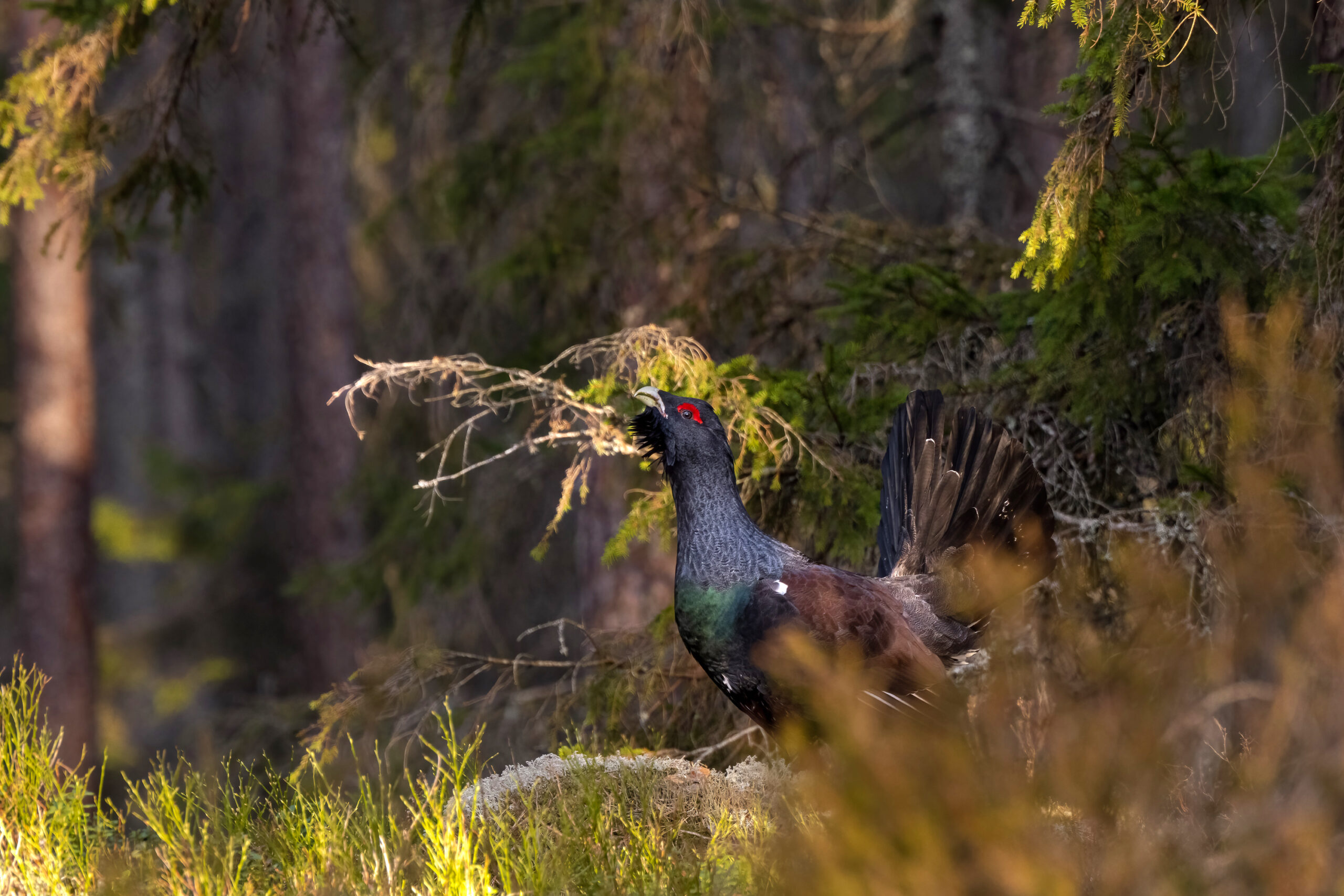
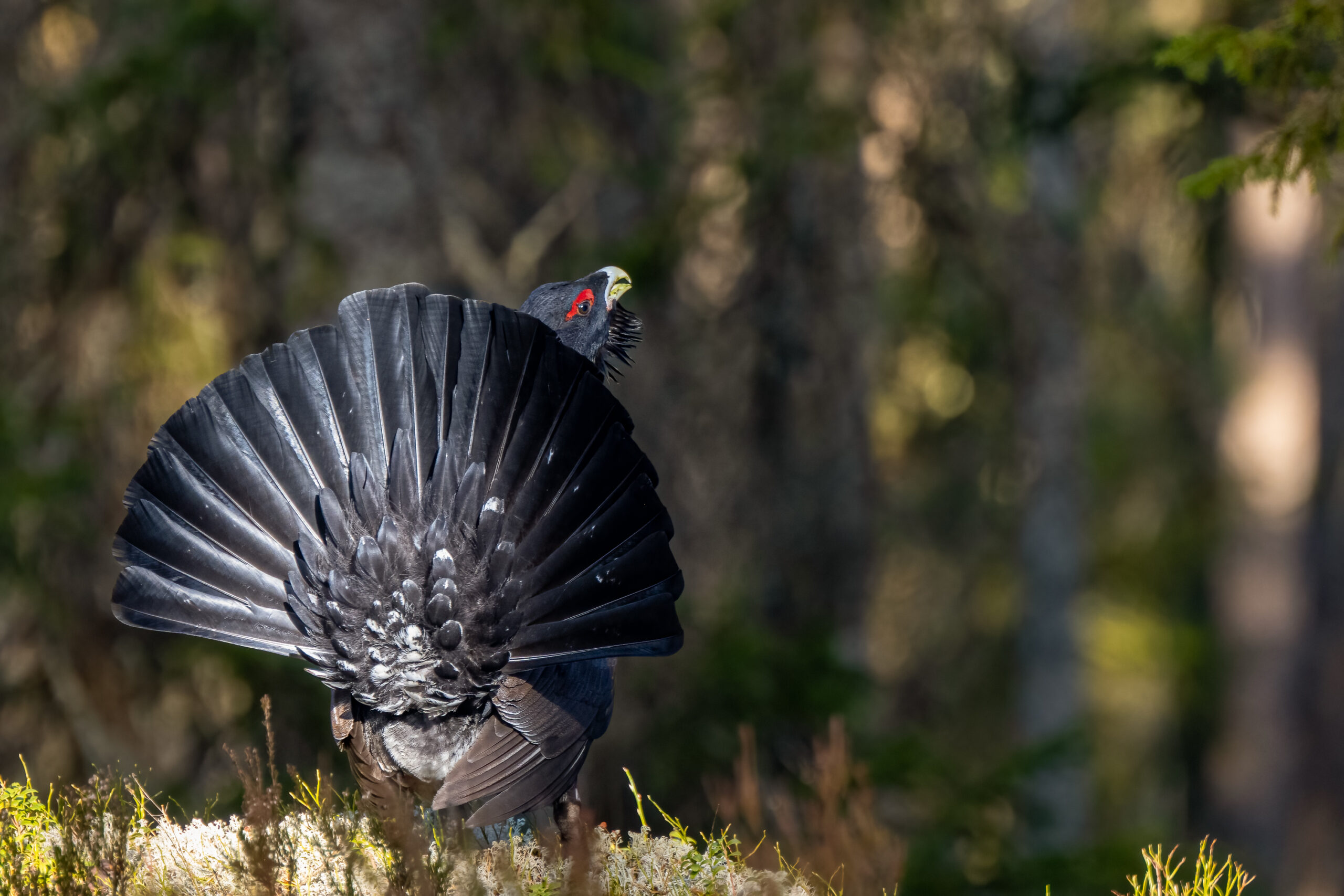
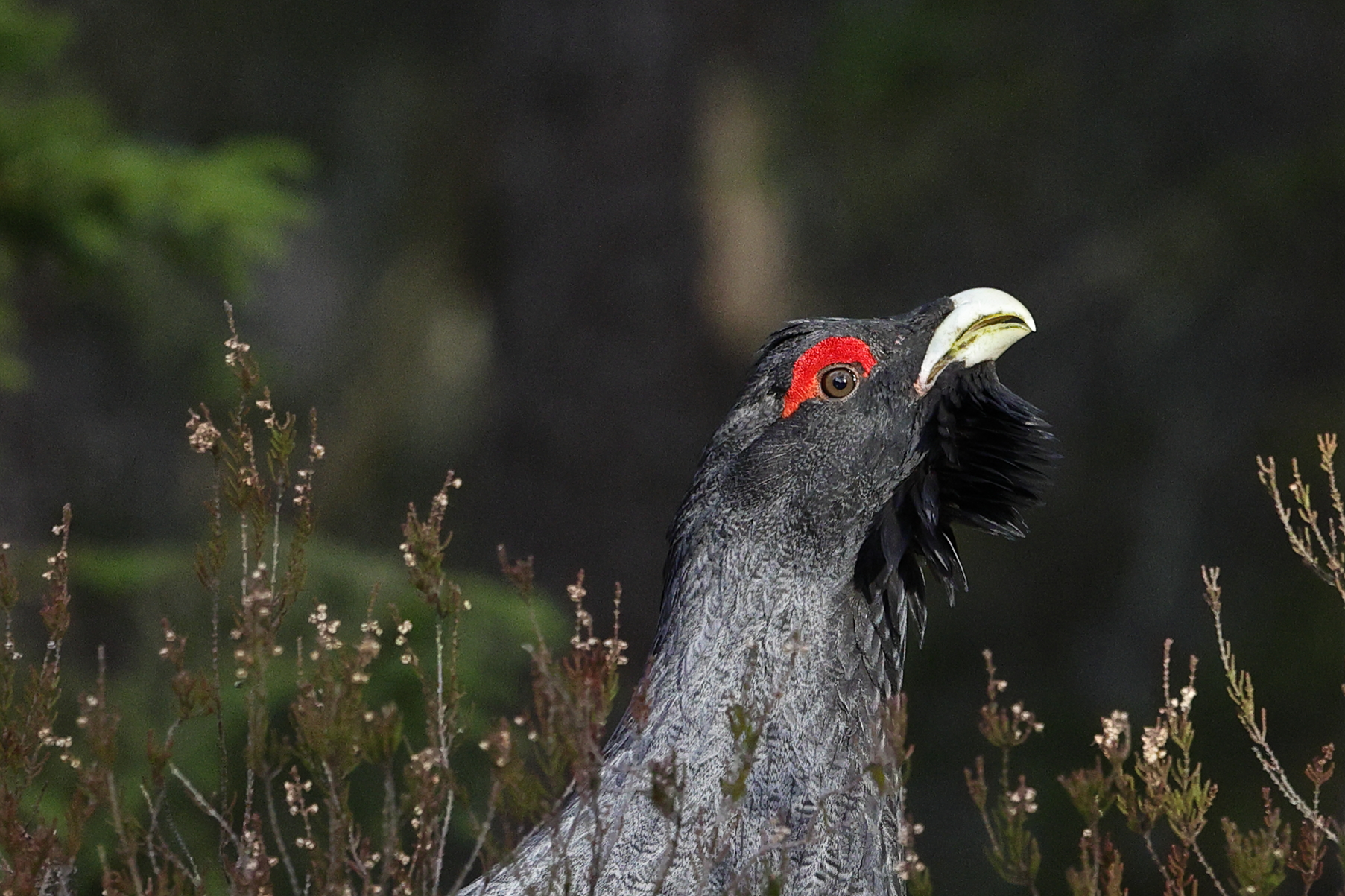
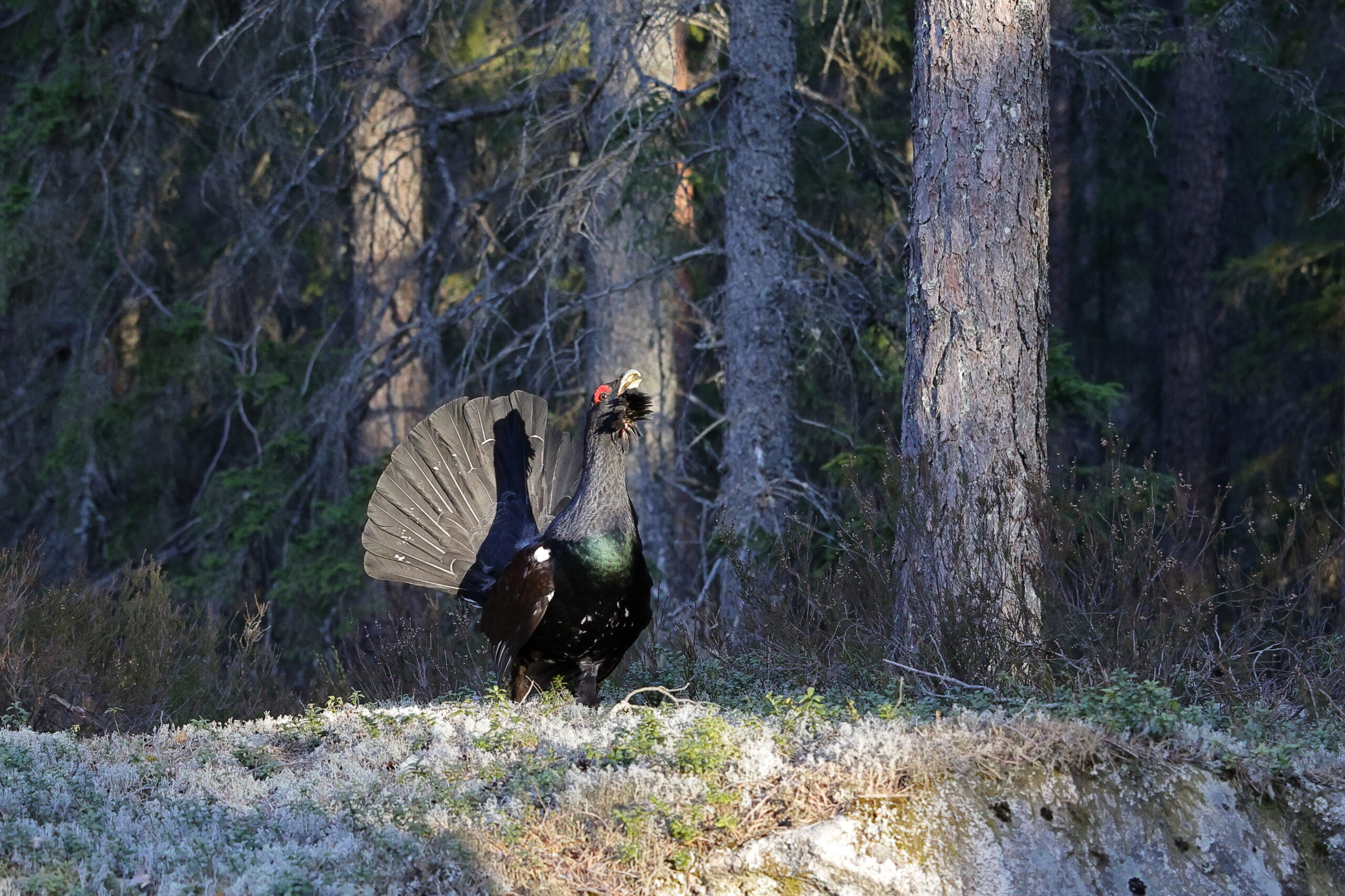
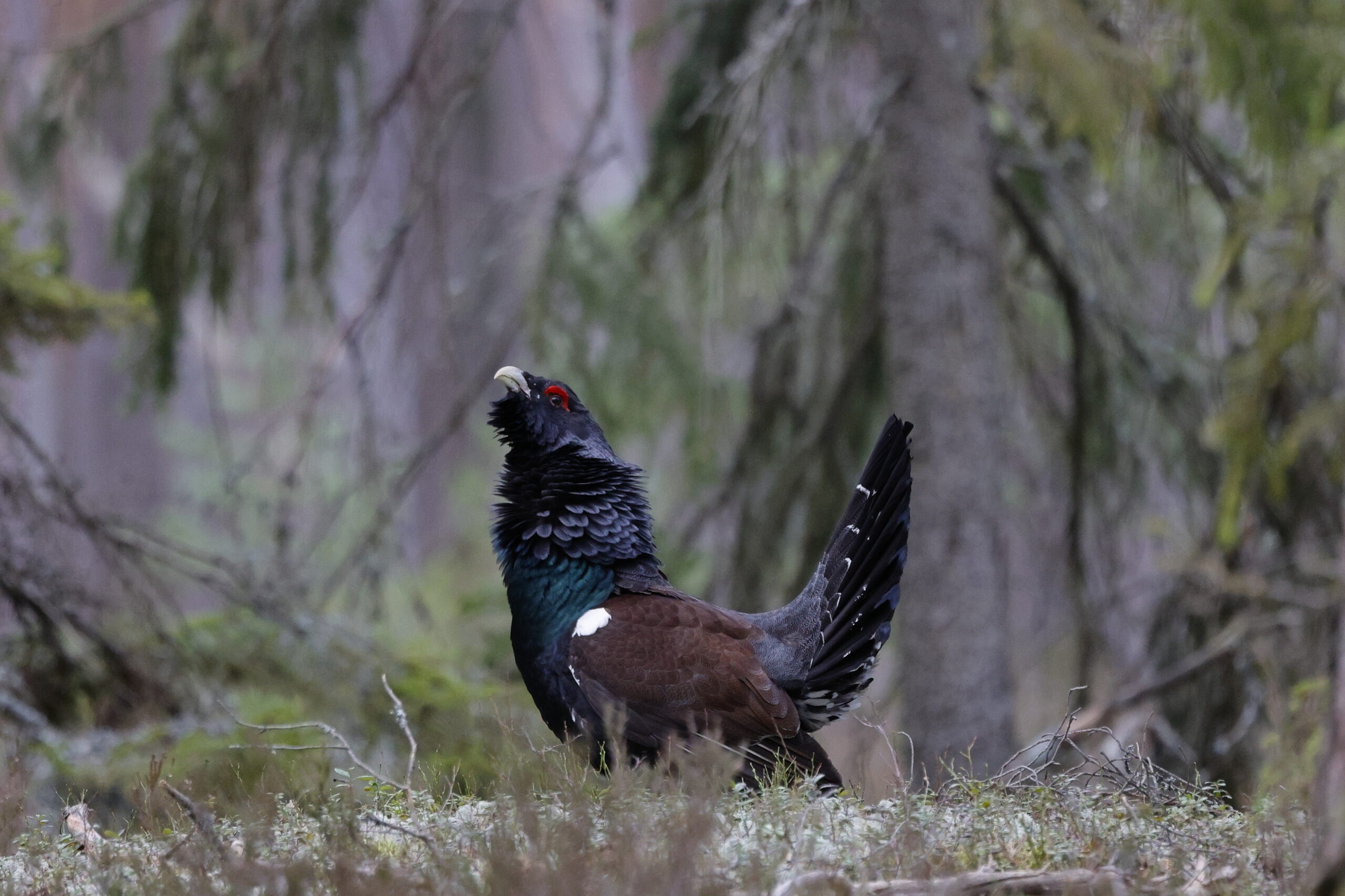
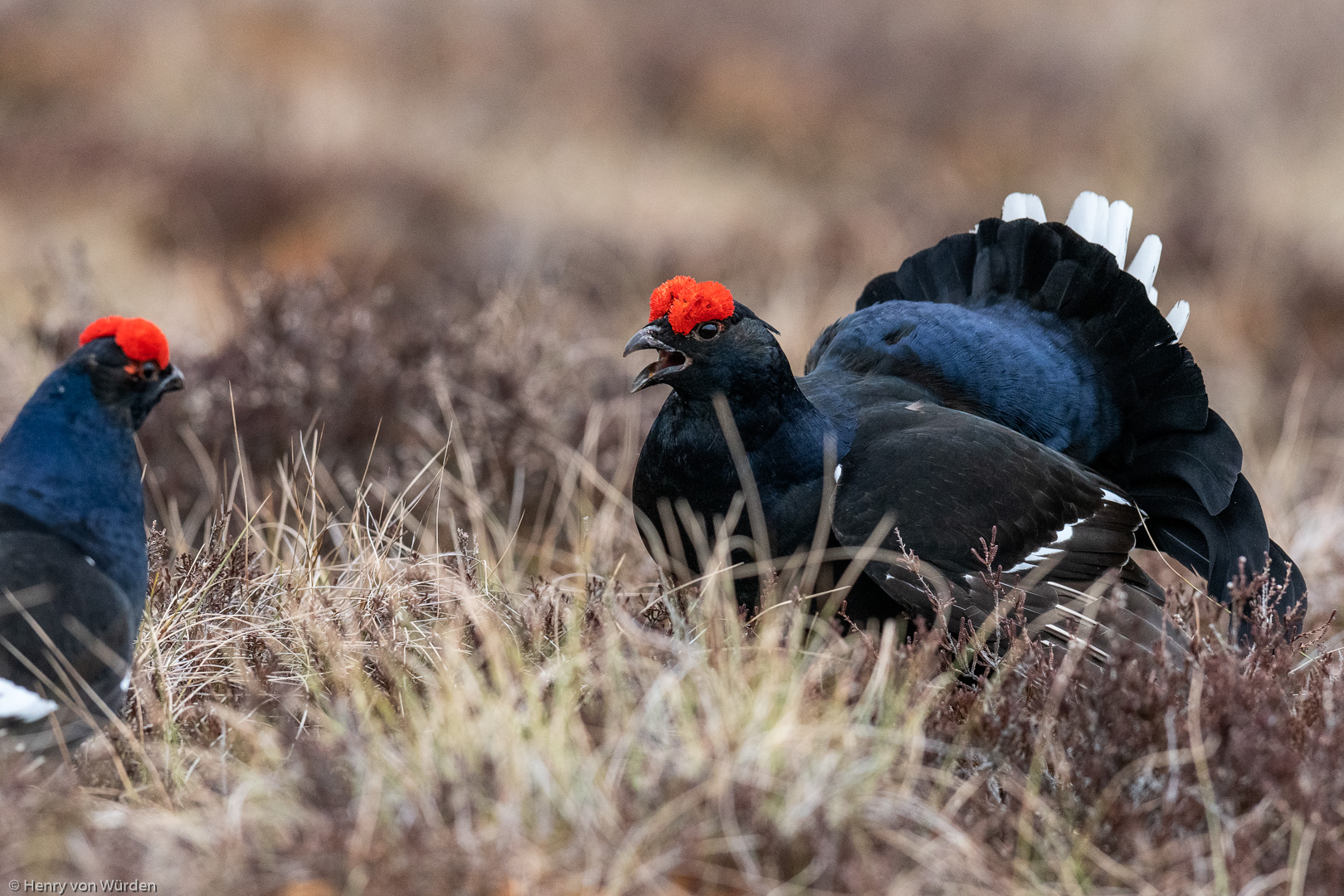
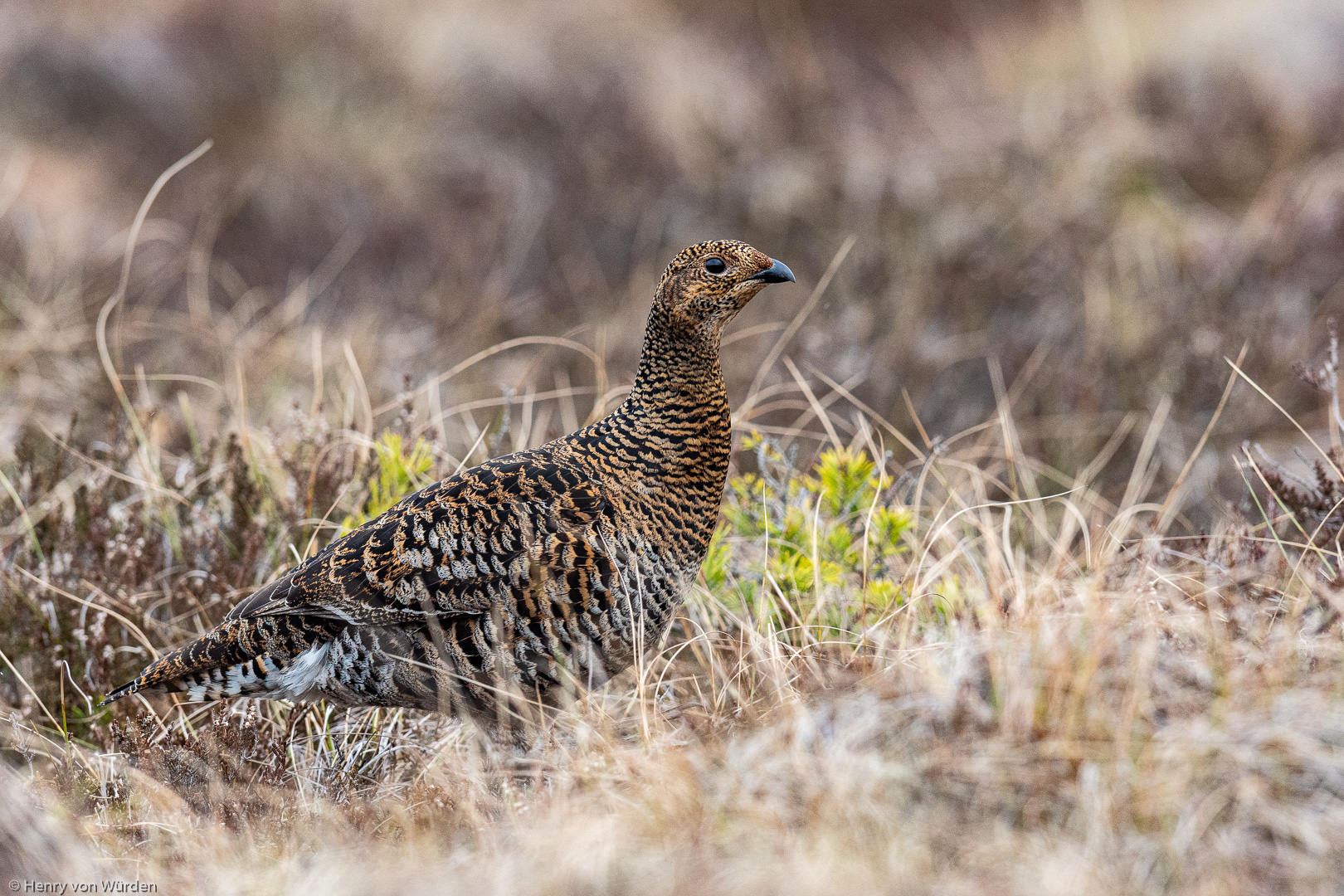
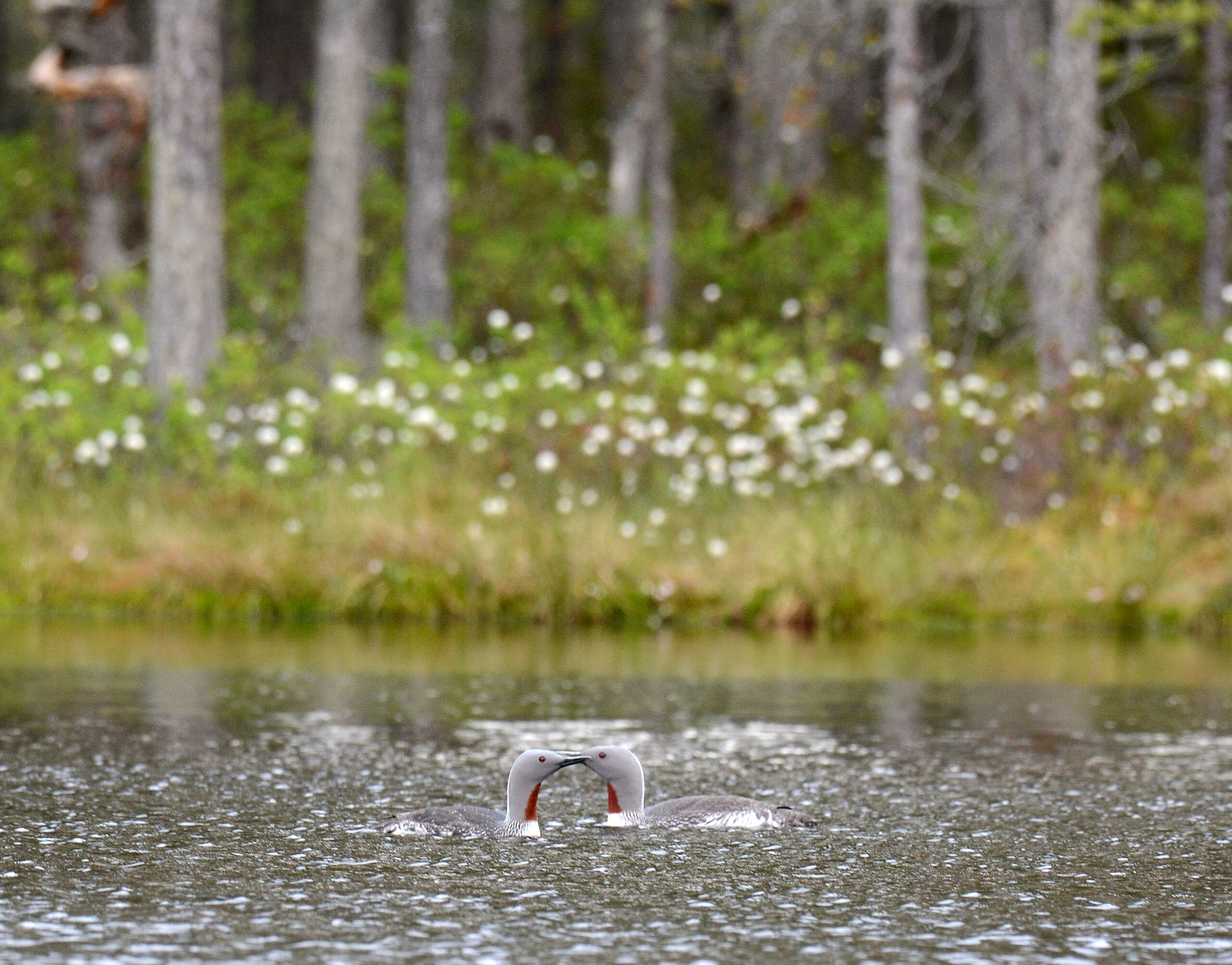
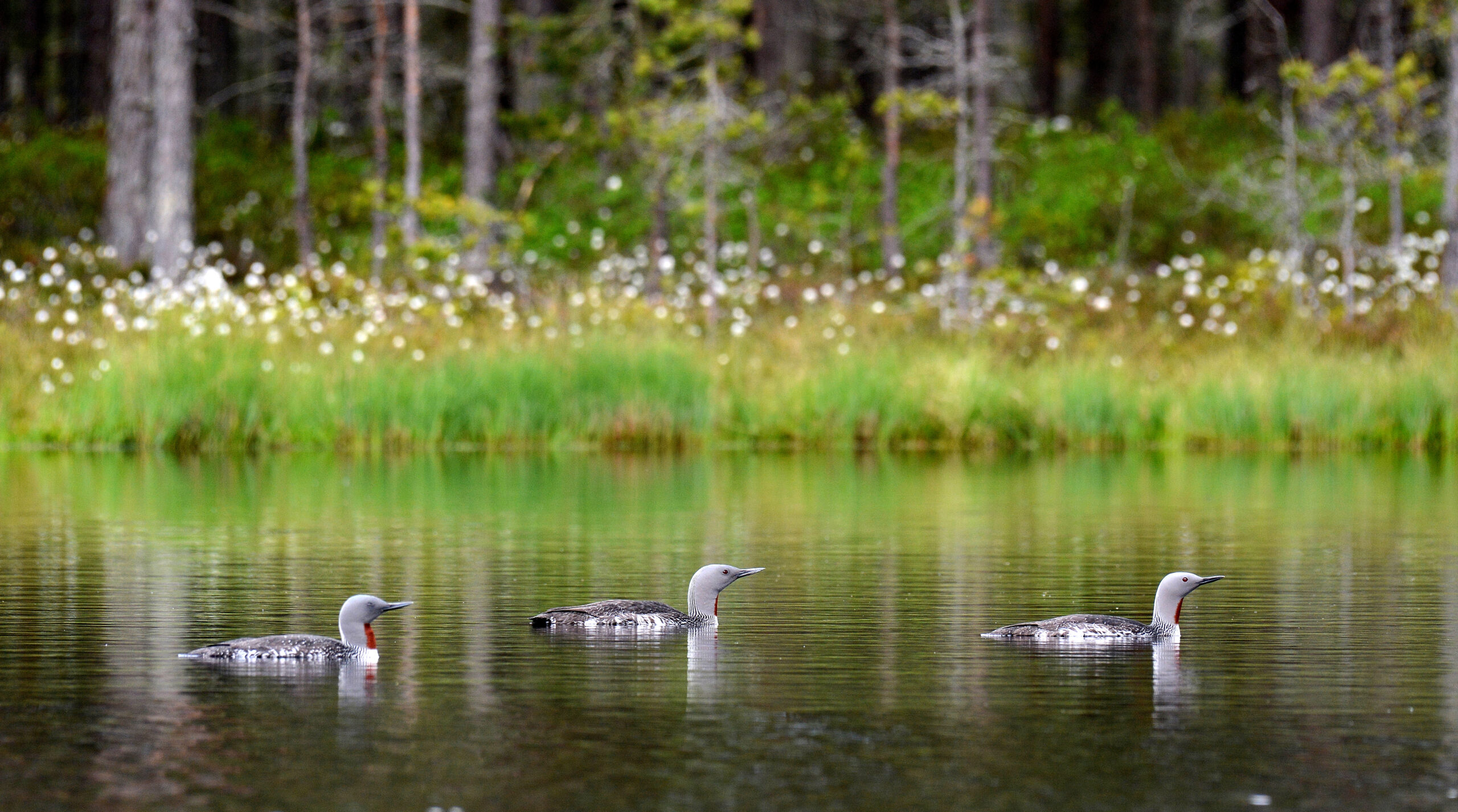
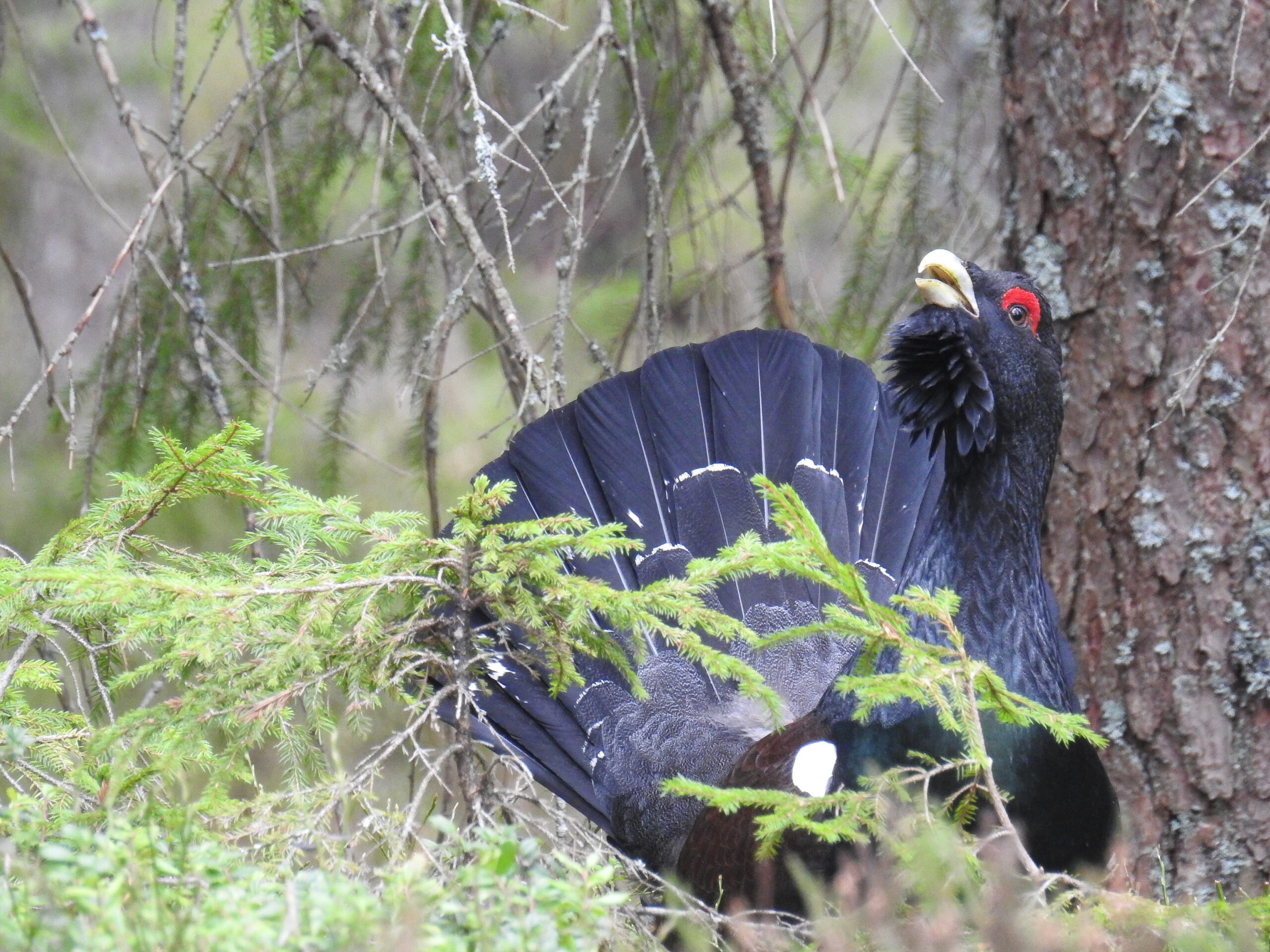
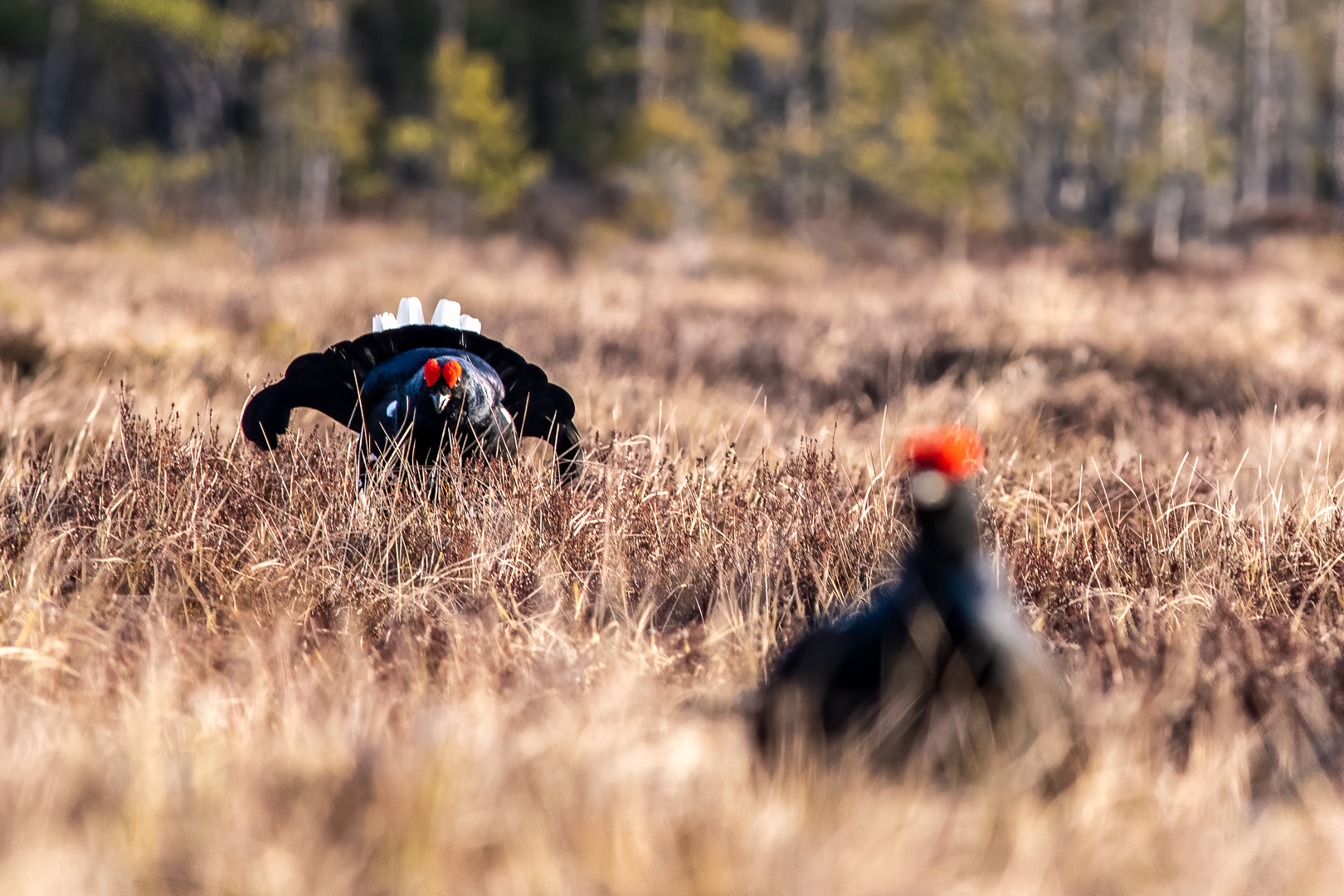
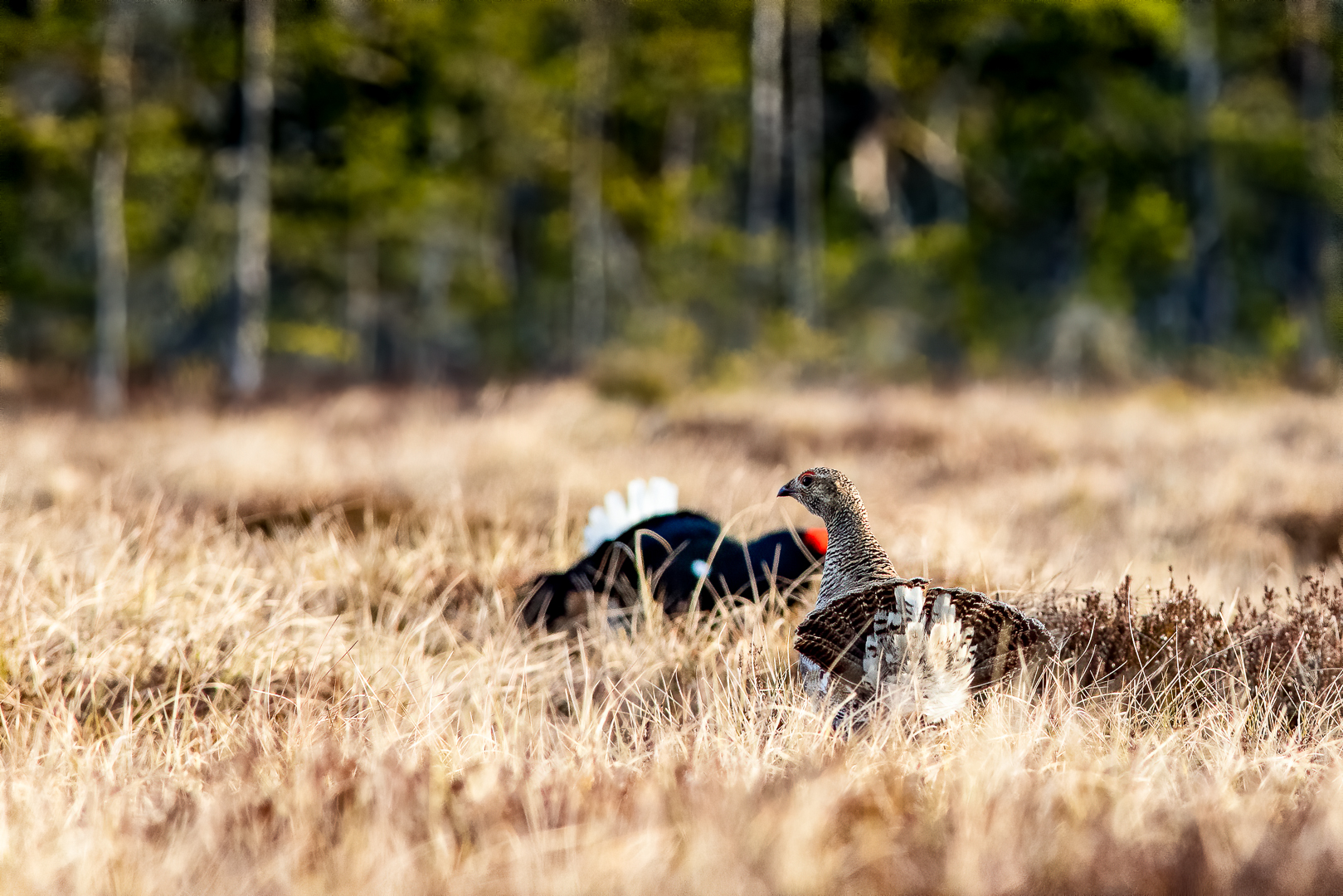
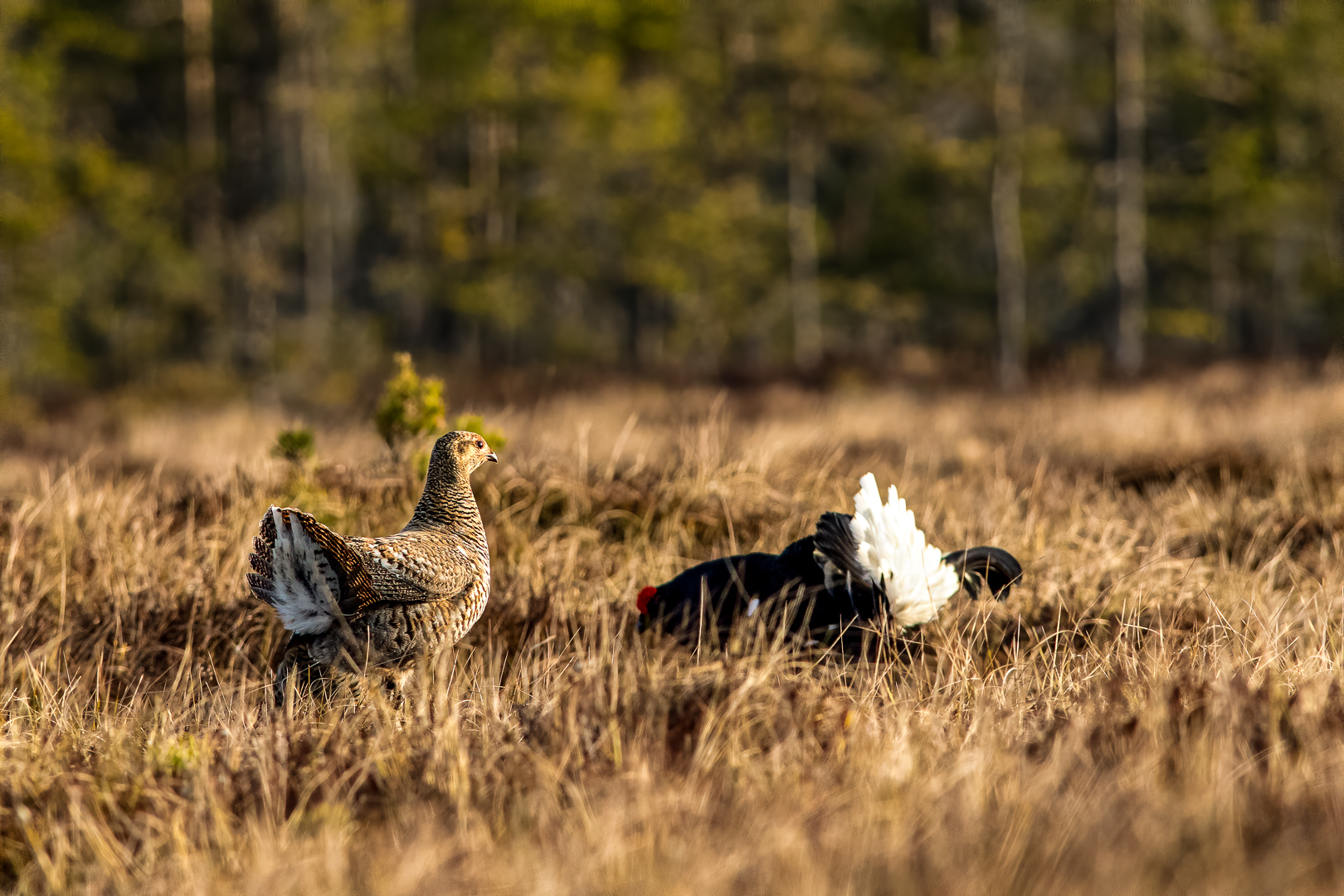
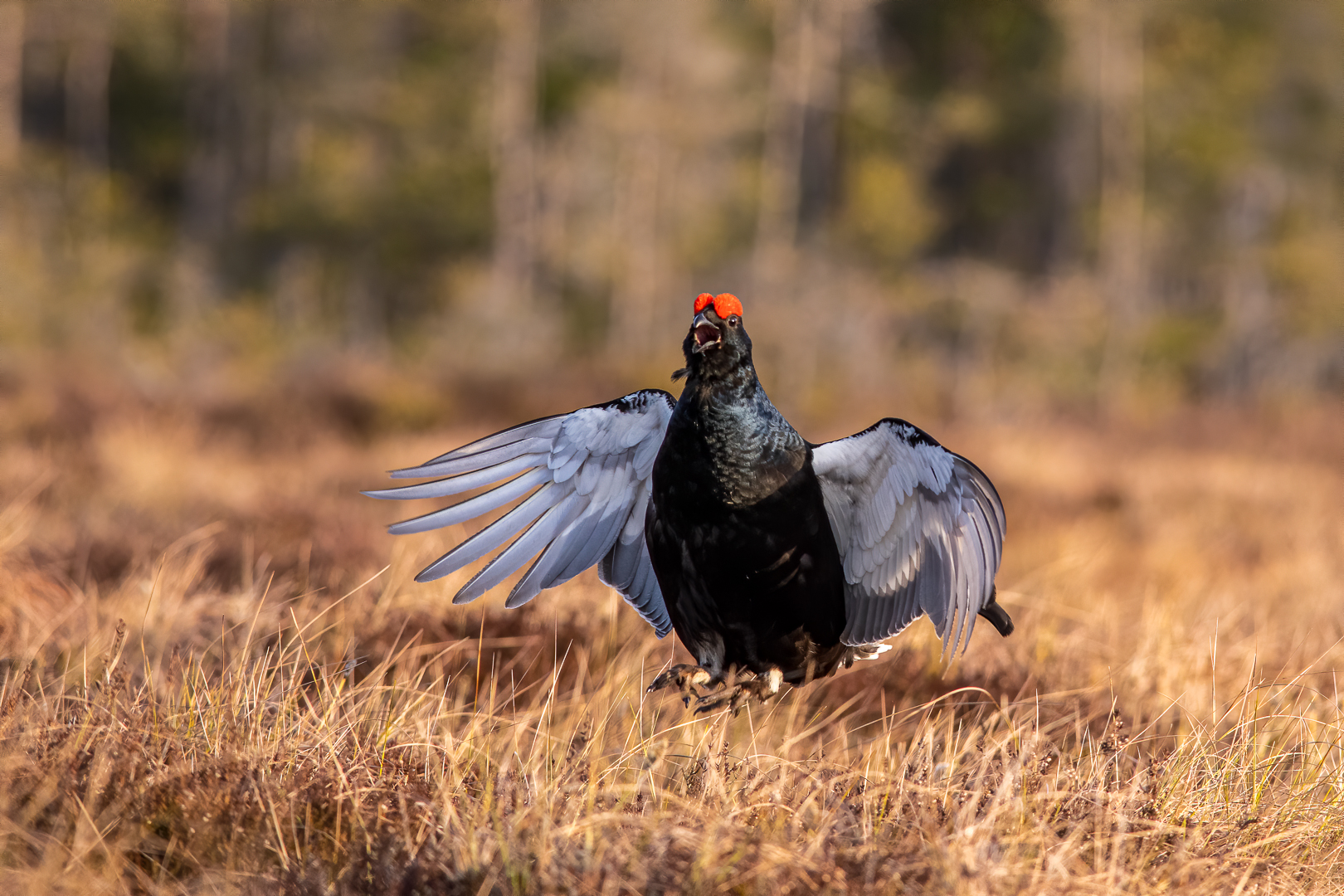
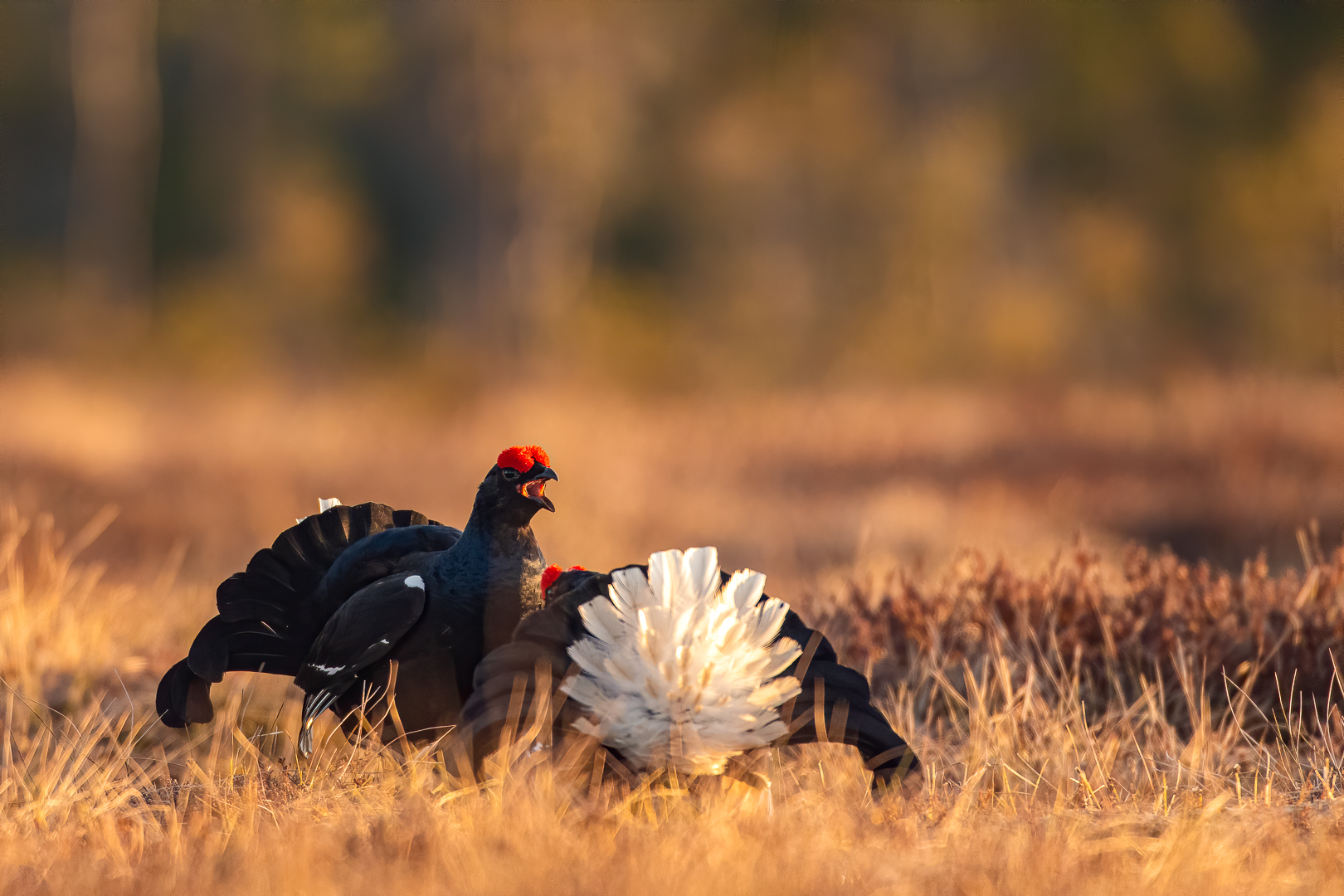
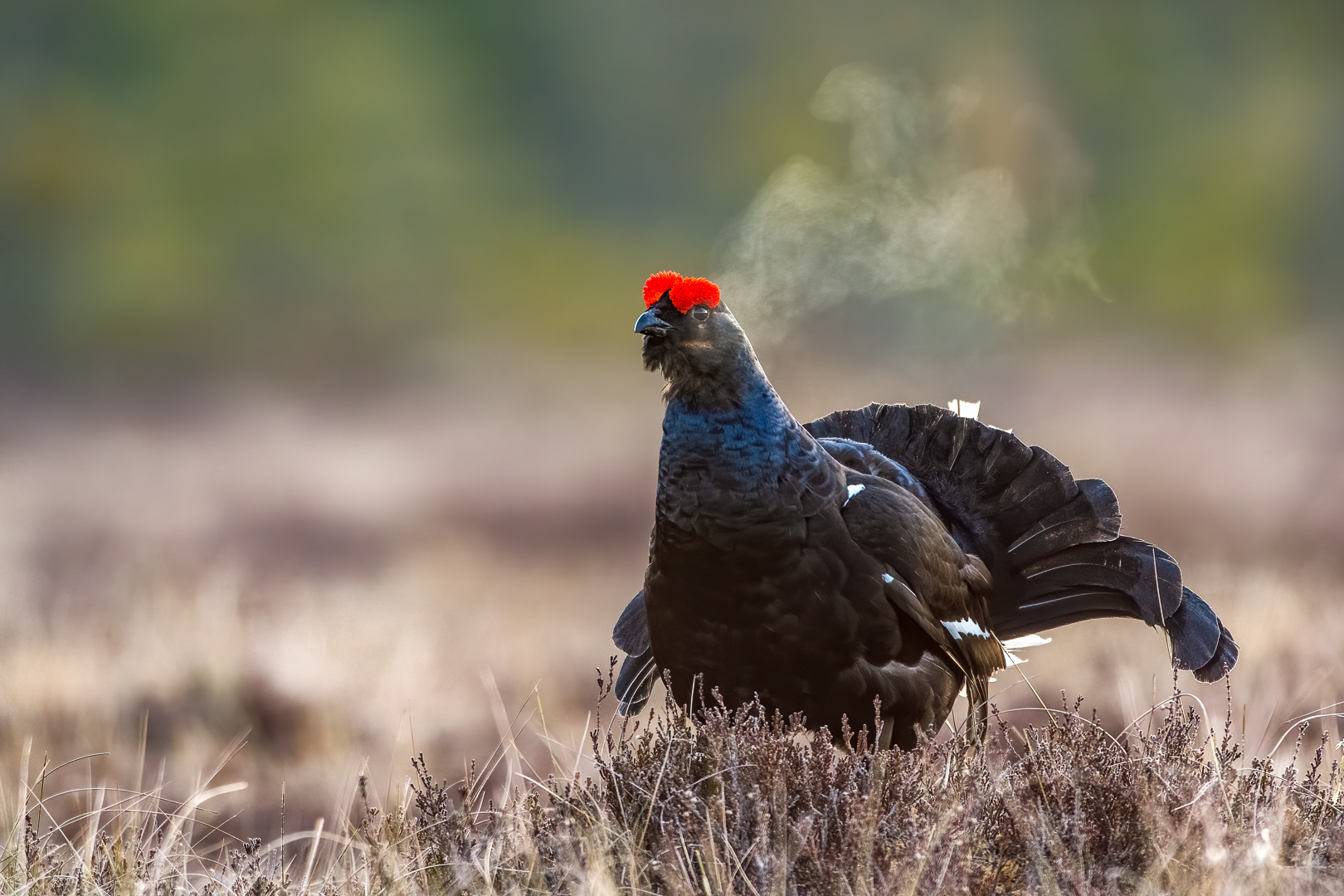
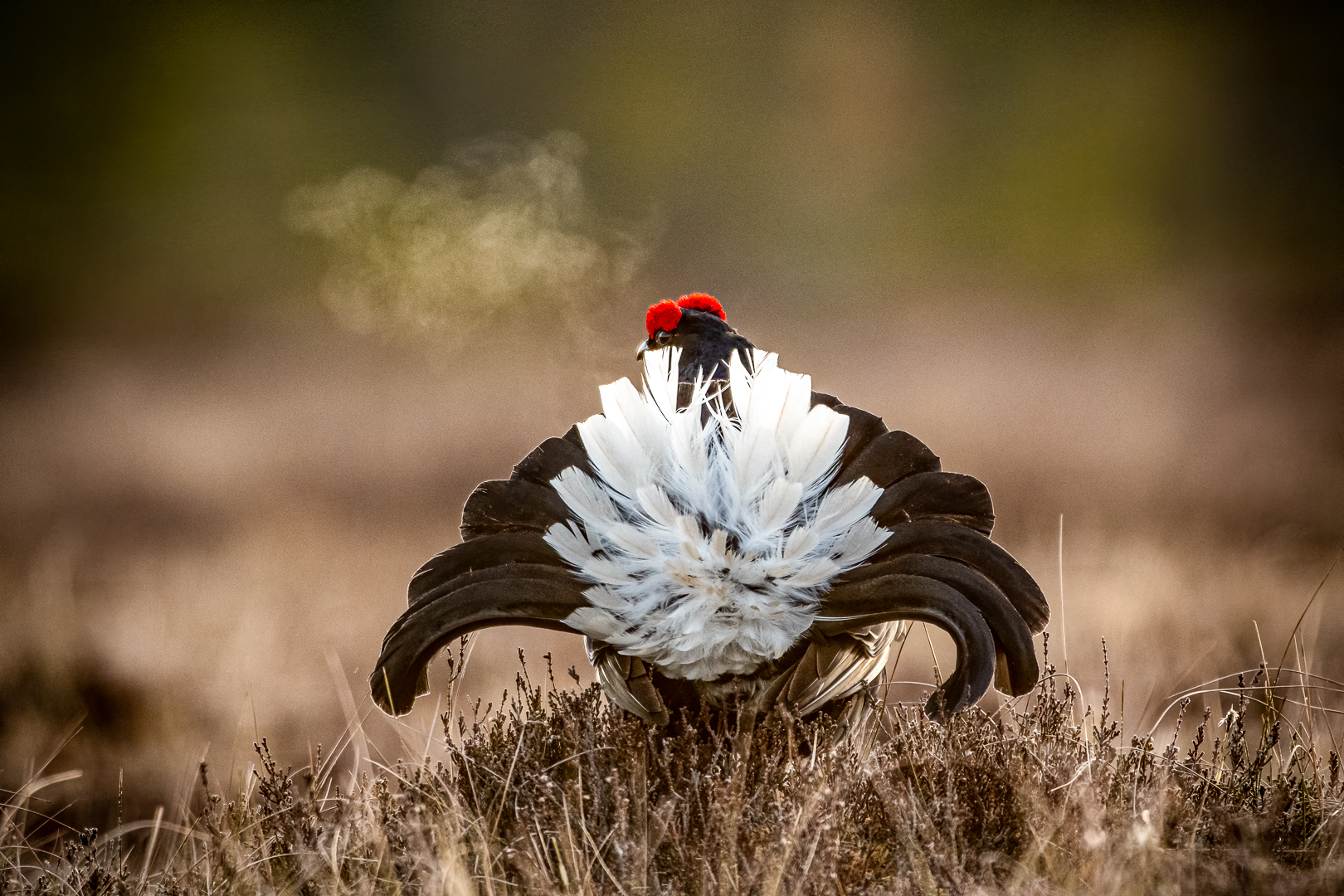
Viajamos a Suecia en busca de dos de las especies más representativas de la primavera en la taiga: el We travel to Sweden in search of two of the most characteristic species of spring in the taiga: the capercaillie and the European capercaillie. In April, both species are at the height of the breeding season, when the males gather at display sites known as leks to compete for the females’ attention. Capercaillies choose open areas, whilst black grouse establish their leks within the forest. Both arrive at these sites during the night to perform their courtship dances at dawn and during the early hours of the morning.
For this reason, as part of this experience, photographers are required to spend the night in these viewing areas, with logistics carefully arranged to enable them to enjoy one of nature’s greatest spectacles.
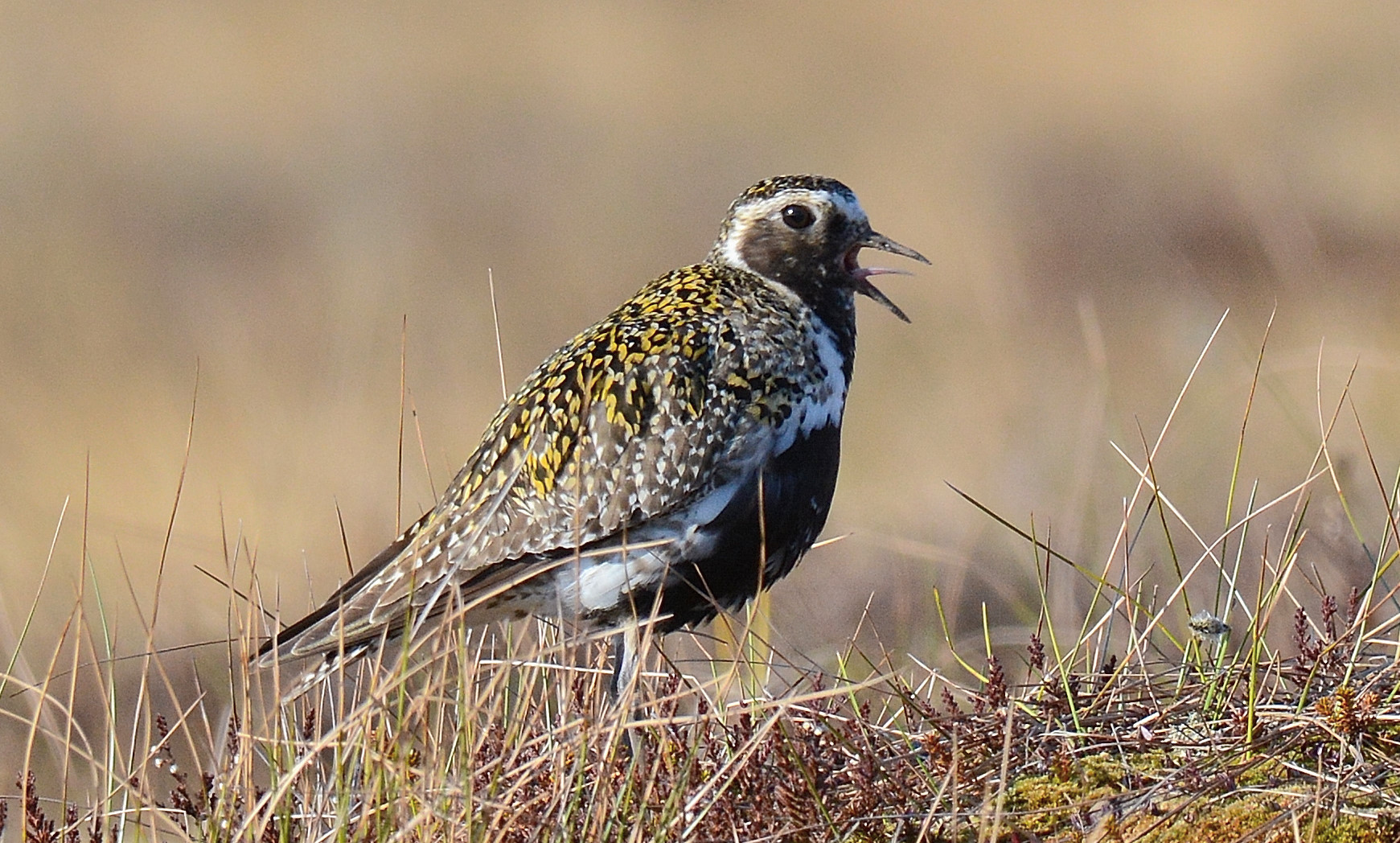
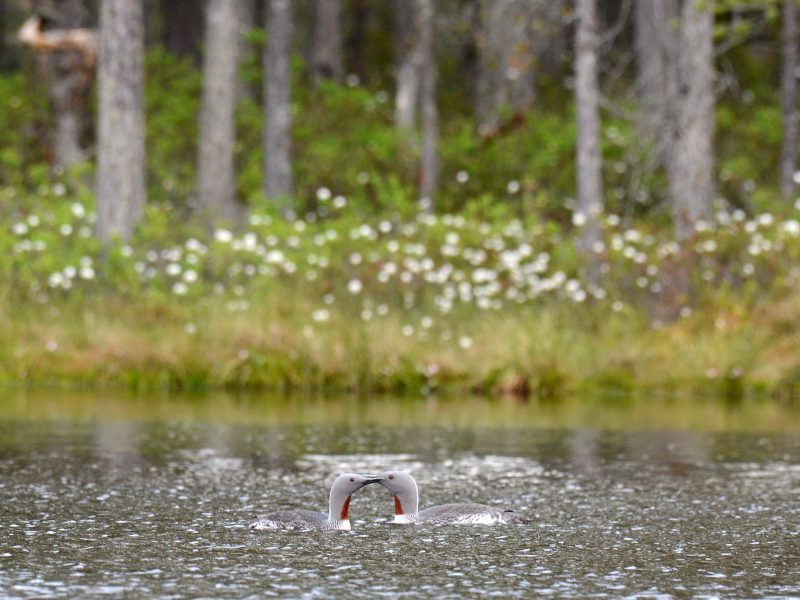
Although the grouse will be the focus of the trip and the species that determine our itinerary, if the birdwatching sessions prove to be entirely successful and productive, we may set aside a day to observe other species typical of the taiga, such as the Red-throated Loon and Black-throated Loon
Itinerary
Arrival in Sweden
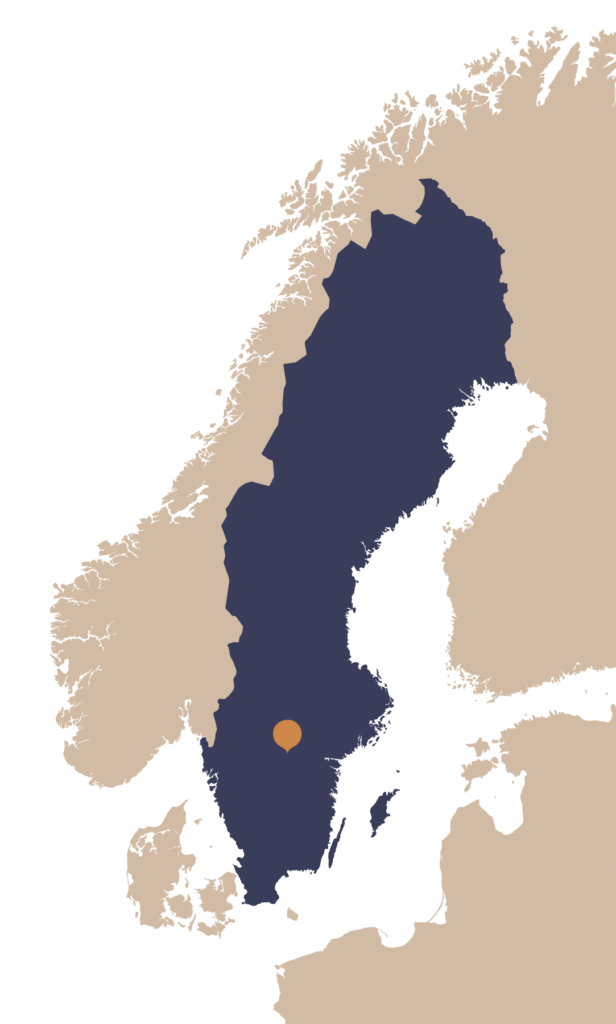
Reception at Arlanda Airport and transfer to the accommodation in Tiveden National Park. Check-in at the Hamgarden Hotel and dinner. In the evening, there will be a welcome briefing to explain the week’s schedule, with particular emphasis on the rules of conduct in the hide, which are crucial to the success of the sessions. Useful photographic tips and advice will also be provided to help you get the best possible results from the sessions.
Tiveden National Park
After breakfast, there will be a guided tour of Tiveden National Park to familiarise ourselves with the surroundings where the activity will take place, before returning to the accommodation for lunch. In the afternoon, we will focus on preparing the equipment and materials for the first session and set off for the photography location. From the point where we leave the vehicle, it will be no more than a 1 km walk to the capercaillie lek. Each photographer will set up in a hide tent prepared for the night. The session will begin at around 4.00 pm.
Capercaillie (1st session)
The capercaillies will begin arriving at the lekking ground during the night, although you’ll need to be patient and wait until dawn to start taking photographs. The session ends at midday (12:00–13:00) with a coordinated exit from the hide, led by the local guide. We will then return to the accommodation for lunch and a short rest before heading back for the second session, entering the hide at 16:00.
Capercaillie (2nd session)
We repeated the routine from the previous day. Second session of capercaillie.
Capercaillie (3rd session)
Another capercaillie session (the third session). According to the original plan, we will still have one more capercaillie session during the trip; however, depending on the outcome of these first three sessions, the guides may suggest a change to the itinerary so that the following days can be devoted to the black grouse or even other northern species such as the Red-throated Loon and the Black-throated Loon.
Capercaillie (4th session) or black grouse (1st session)
We’ll leave the capercaillie hide (fourth session) at midday (12–1 pm) and return to the accommodation for lunch and a short rest, following the same routine as on previous days. On this day, we’ll change the routine from previous days to have dinner at 4 pm and set off for the black grouse lek at around 5.30 pm. Overnight in a hide tent at the black grouse lek.
Lyrate Bunting (2nd session) or photographs of other northern species (loons)
We leave the lyre-tailed warbler hide at midday and return to the accommodation for lunch and a short rest. In the afternoon, we’ll be photographing loons. Farewell dinner and overnight stay at the accommodation.
Return to Stockholm
Breakfast at the hotel or en route, depending on the flight departure time. Return journey to Arlanda Airport (Stockholm).
Included/Not included
Included
- Transfers throughout the tour
- Tour guide during the trip
- Accommodation
- Full board
- Activities in hides, fully equipped for the experience
Not included
- International flight (check prices).
- Drinks and personal expenses
Recommendations
This programme does not include flights to and from Stockholm Airport. These flights will be booked individually, depending on each participant’s point of departure.
Temperatures can still be quite low in April. You should therefore make sure you pack warm clothing for this trip.
The clothes we wear should generally be waterproof so that we can stay dry at all times.
Clothing that doesn’t rustle (preferably cotton fabrics for outerwear).
Recommended layers and clothing:
First layer: merino wool jumper
Base layer: merino wool trousers
Two pairs of merino wool socks
Warm woollen socks
Woolly hat
Thick woollen jumper
Warm woollen trousers
Gloves
Balaclava to cover the face
Sleeping bag / sleeping bag liner
Wellies
Thermos flasks containing coffee, milk or hot tea (wrapped in a sock to prevent them from making noise)
Drinking cup
Head torch or torch
Backpack
Camera and lenses
Batteries (spare batteries should be kept close to the body to protect them from the cold)
Memory cards
Bean bag
Another camera kit
Toothpaste and toothbrush
Wide-mouth urinal (at least 2 units)
Binoculars or a telescope
All items should be packed in small bags or socks to prevent them from making noise when they knock against each other.
You need to know
During this trip, photography takes place from hides specially equipped for overnight stays at active leks, allowing you to capture the spectacular mating display at dawn in a completely natural setting. Each hide is equipped with a mattress, a sleeping bag and observation windows, and strict rules of conduct are followed to avoid disturbing the birds. The logistics include short walks to the hides, communication via WhatsApp and detailed organisation of the sessions. In the trip guide, you will find all the instructions and recommendations you need to make the most of this unique experience.
Frequently Asked Questions
Why is it compulsory to spend the night in the hide?
Both the capercaillie and the black grouse arrive at their display areas (leks) at night or in the pitch darkness of the early morning. To avoid startling them and to ensure the success of the photo session, participants must be settled in and remain completely silent before their arrival. Leaving or entering during the activity would ruin the session for the whole group..
What level of comfort can I expect during the photo shoots?
Although you sleep on the floor inside the hides, a thick mattress, a pillow and a very warm down sleeping bag are provided for your comfort.. In the case of the capercaillie, the hide is more spacious (9 m²) and features an office chair for those long hours of waiting..
What camera kit would you recommend for this trip?
For the We travel to Sweden in search of two of the most characteristic species of spring in the taiga: the capercaillie, 70–200mm lenses and 400mm or 500mm telephoto lenses are recommended, using a bean-bag as a support as you’ll be shooting at ground level. For the capercaillie, as you will be in a wooded area with trees, we recommend using a 70–200mm, 200–400mm or even 500–600mm lens, as well as a tripod.
What’s the weather like, and what should I pack?
In April, temperatures in the Swedish taiga are low, so it is essential to wear good-quality thermal clothing. It is advisable to dress in layers, using merino wool, and to ensure that the outer layer is waterproof and quiet (avoiding fabrics that rustle when you move).. Furthermore, it is essential to wear mid-calf rubber boots for walking through the marshy and damp sections of the route.
How will we communicate inside the hides if we can’t speak?
To avoid disturbing the birds with voices or noise, all communication between photographers and guides takes place via a WhatsApp group set up specifically for the expedition.. You must set your phone to silent mode and keep an ear out for safety instructions or updates on the birds’ location shared by the guides..
Capercaillie and black grouse in Tiveden National Park
8 days
From
3.020€
Per person
20–27 April 2026
Price for a group
of at least 2 people
3.828€/person
*Double room
€4,048 per person
*Single room
Price for a group
minimum of 5 people
€3,020 per person
*Double room
€3,230 per person
*Single room