
The Somiedo Natural Park, in Asturias, is one of the places where it is possible to spot the Cantabrian brown bear in the wild. The British newspaper The Guardian has published a feature on this experience, in which our guide Luis Frechilla and Wild Spain Travel are mentioned as points of contact for organising excursions to observe this iconic species.
There are encounters with nature that stay with you for a lifetime. Not necessarily because they take place just a few metres away, but because they allow you to observe a wild animal in its natural habitat, gain a better understanding of its behaviour, and appreciate the importance of conserving the landscapes that enable its survival. That is the experience that has taken journalist Stephen Phelan to the mountains of Asturias, on a journey that has resulted in the feature published by The Guardian: : ‘So big and so close’: spotting endangered bears on a trip to northern Spain..
The article explores some of the landscapes of Somiedo and takes a closer look at one of the most iconic species of Iberian wildlife: the Cantabrian brown bear. It also highlights conservation work and the role that nature tourism can play when carried out responsibly.
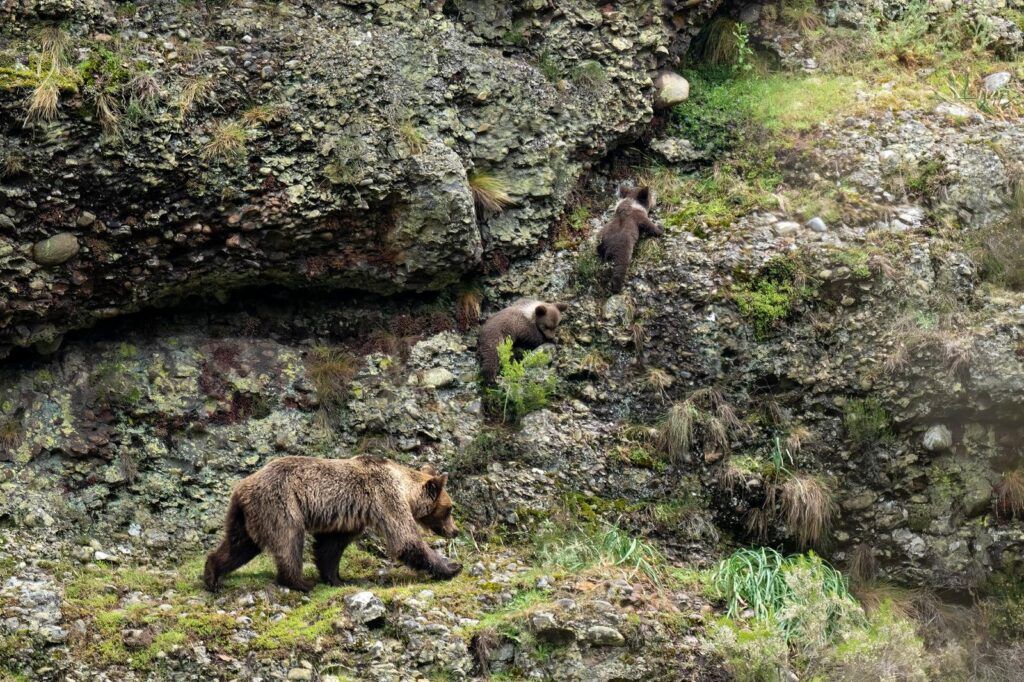
The Cantabrian brown bear: a story of recovery
In the late 1980s, the situation facing the Cantabrian brown bear was very precarious. According to the report, the population across the entire Cantabrian mountain range had fallen to around 60 individuals. Since then, the species has undergone a significant recovery, thanks to various protection and conservation measures. Among these, the article highlights the ban on hunting, introduced in 1973, and the creation of wildlife corridors that help to connect habitats and provide food for the animals.
However, this positive trend does not mean that the species’ future is secure. Maintaining genetic diversity, promoting connectivity between populations and reducing threats remain major challenges for its conservation. Understanding this history helps us realise that seeing a bear in the wild is much more than simply enjoying an encounter with wildlife: it is also a glimpse into a story of recovery that still requires protection.
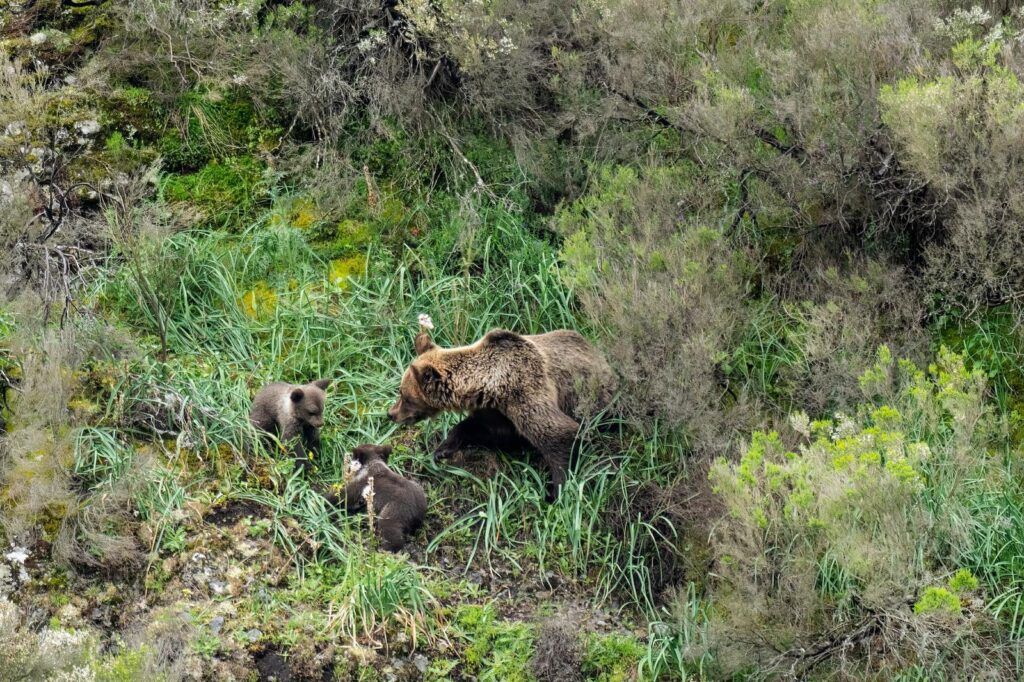
Somiedo, a prime spot for spotting bears in the wild
The Somiedo Natural Park is one of the main settings featured in The Guardian’s report. Its mountains, forests, meadows and valleys form part of a landscape in which brown bears coexist with other traditional activities and a wealth of natural beauty. During the trip, the journalist accompanies Luis Frechilla on various wildlife-spotting excursions. With the aid of a terrestrial telescope, he manages to spot bears on the park’s hillsides and meadows and observe their movements without needing to get too close to them.
The story also highlights another key aspect of these experiences: learning to interpret the signs left by animals. Footprints in the mud, feeding marks, hairs clinging to tree trunks, or stones turned over in search of insects all help to reveal a presence that is not always visible to the naked eye.
Because wildlife watching is not just about waiting for an animal to appear. It also involves learning to read the landscape, understanding the habits of the species and realising that every outing is different. And, although Somiedo offers opportunities to spot bears, sightings can never be guaranteed. Wildlife moves freely, and respect for its behaviour must always take precedence over visitors’ expectations.
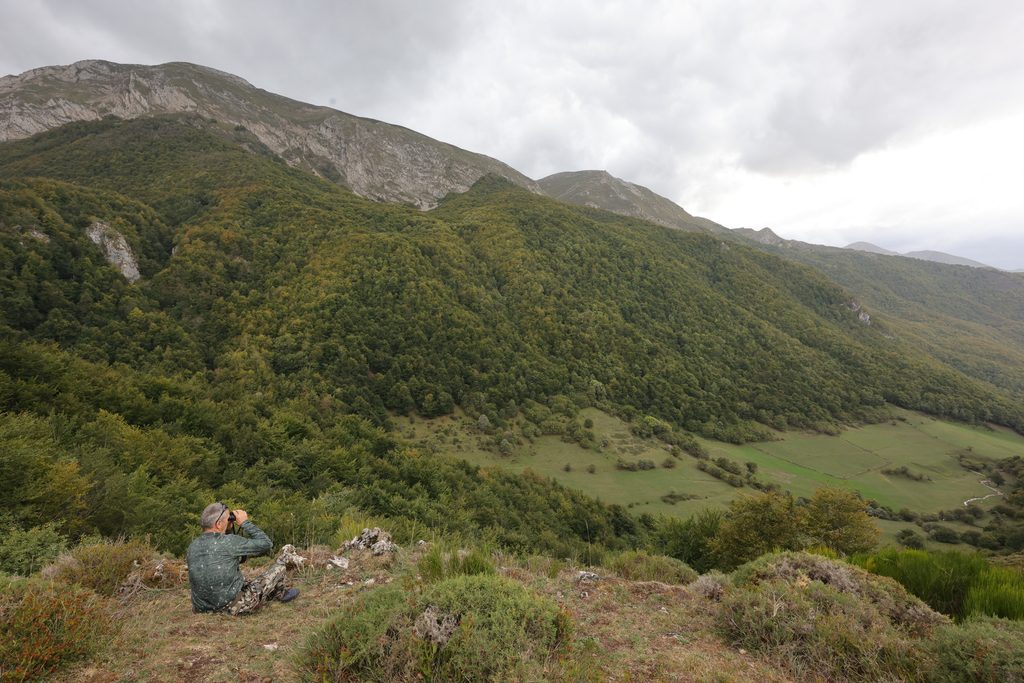
Nature tourism and conservation: a necessary relationship
One of the most interesting aspects of the report is its reflection on the role of nature tourism in the conservation of the Cantabrian brown bear. Wildlife watching must be carried out in accordance with guidelines that minimise disturbance to the animals and respect the restrictions in place within protected areas. In Somiedo, the article explains that a significant part of the bears’ territory is closed to the public and that wildlife-watching trips are subject to specific conditions.
When organised responsibly, this activity can also help to create economic opportunities for local communities and maintain the link between the local population and the natural heritage of their area. The challenge lies in striking a balance between wildlife conservation, the well-being of the people living in these areas, and the interests of those who wish to visit them.
From our point of view, getting close to nature should be accompanied by curiosity, respect and a genuine understanding of the ecosystems we visit. The experience should not be measured solely by the number of animals spotted, but also by what we learn along the way.
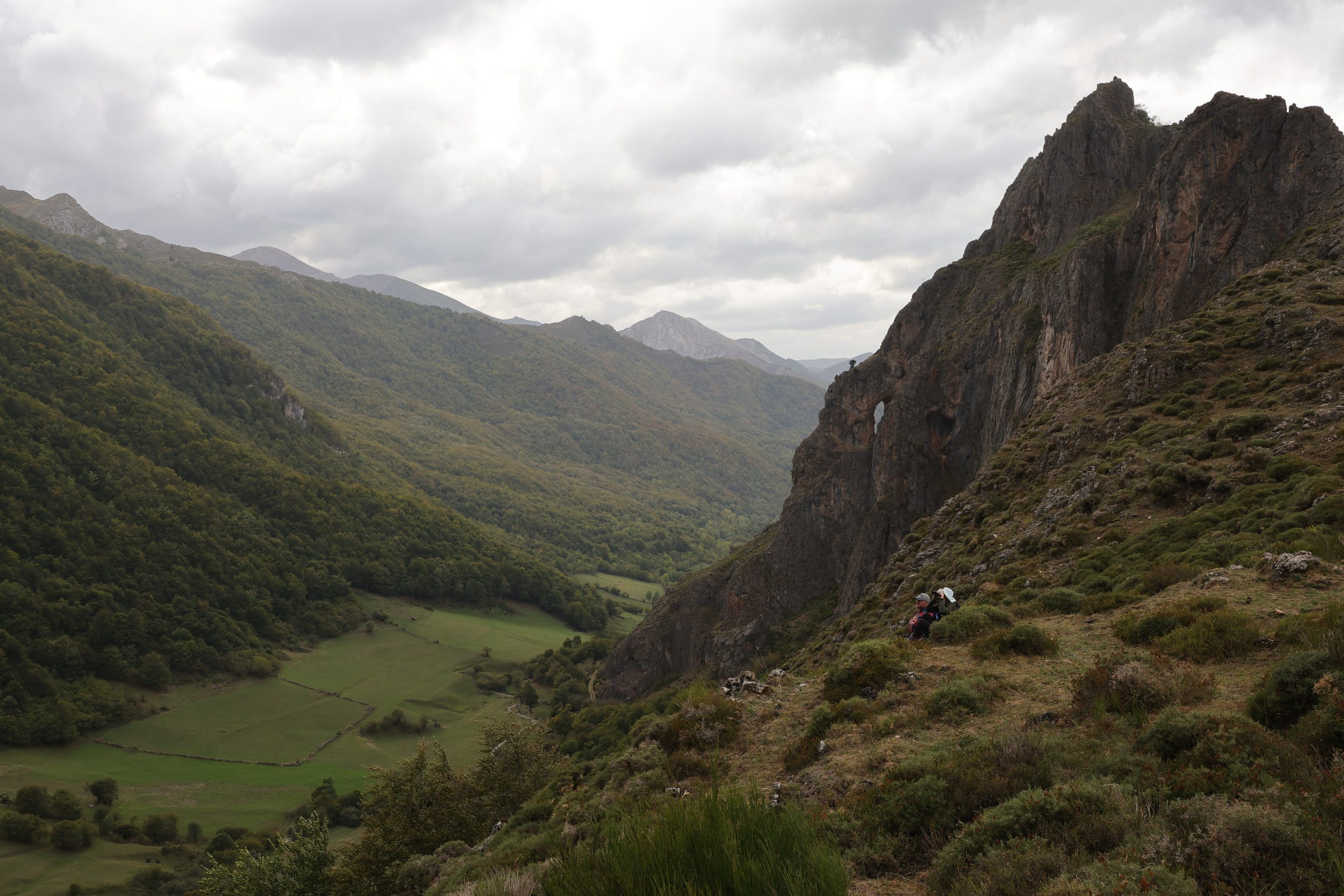
Wild Spain Travel: bear-watching experiences in Asturias
The article on The Guardian specifically mentions Wild Spain Travel as one of the ways to organise bear-watching excursions with nature guide Luis Frechilla. For us, the fact that an international media outlet is taking an interest in these experiences and in the natural beauty of Asturias is an opportunity to continue raising the profile of this extraordinary region and to highlight the importance of exploring it whilst respecting its wildlife.
Observing brown bears allows us to discover another side to Asturian nature: that of mountain landscapes, forests that change with the seasons, and animals that live outside our schedules and expectations. Every outing offers the chance to learn something new about the species and its environment. Sometimes, the star of the show is a bear crossing a meadow; at other times, it is the tracks that appear on a path or the signs that allow us to piece together what has happened in the forest. The important thing is to approach these experiences with patience and a willingness to observe without interfering.
Would you like to see the Cantabrian brown bear in its natural habitat?
At Wild Spain Travel, we organise wildlife-watching experiences to help you discover the natural riches of Asturias and other regions. If you’d like to find out more about our programmes and the options available for spotting bears in the wild, please get in touch with our team.
Read the full article in The Guardian and discover the story of the Cantabrian brown bear and the landscapes that make Somiedo such a special place.


