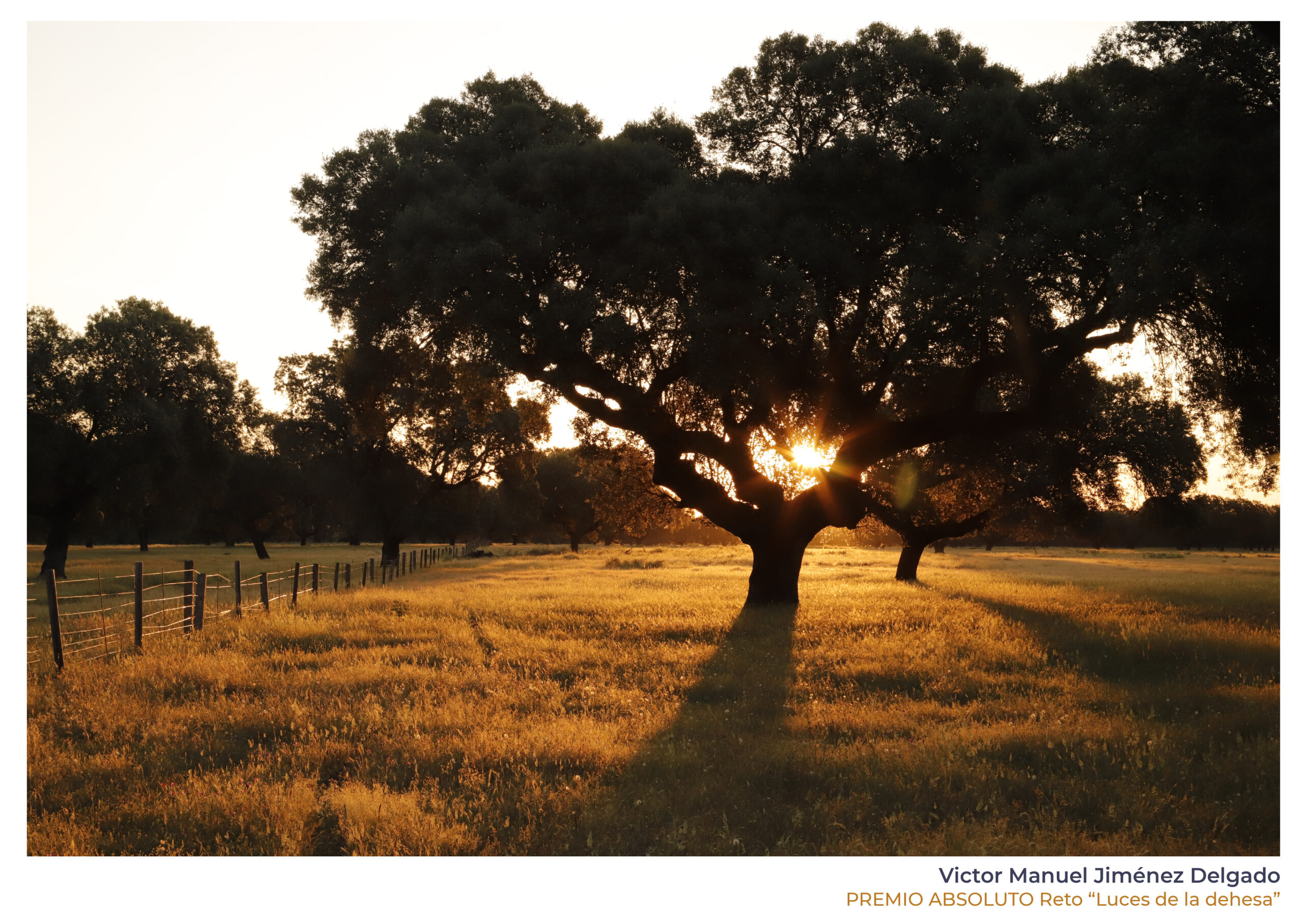
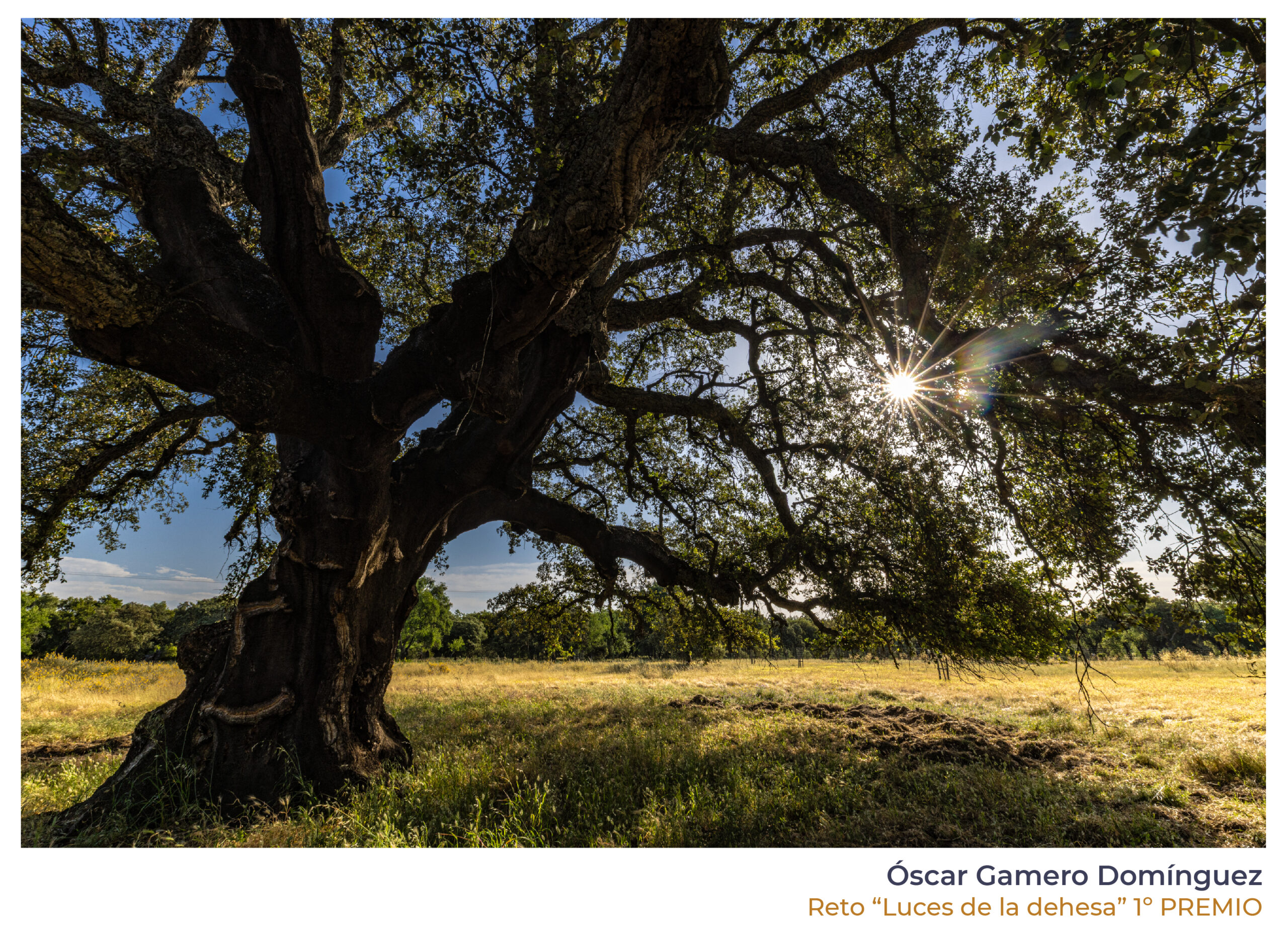
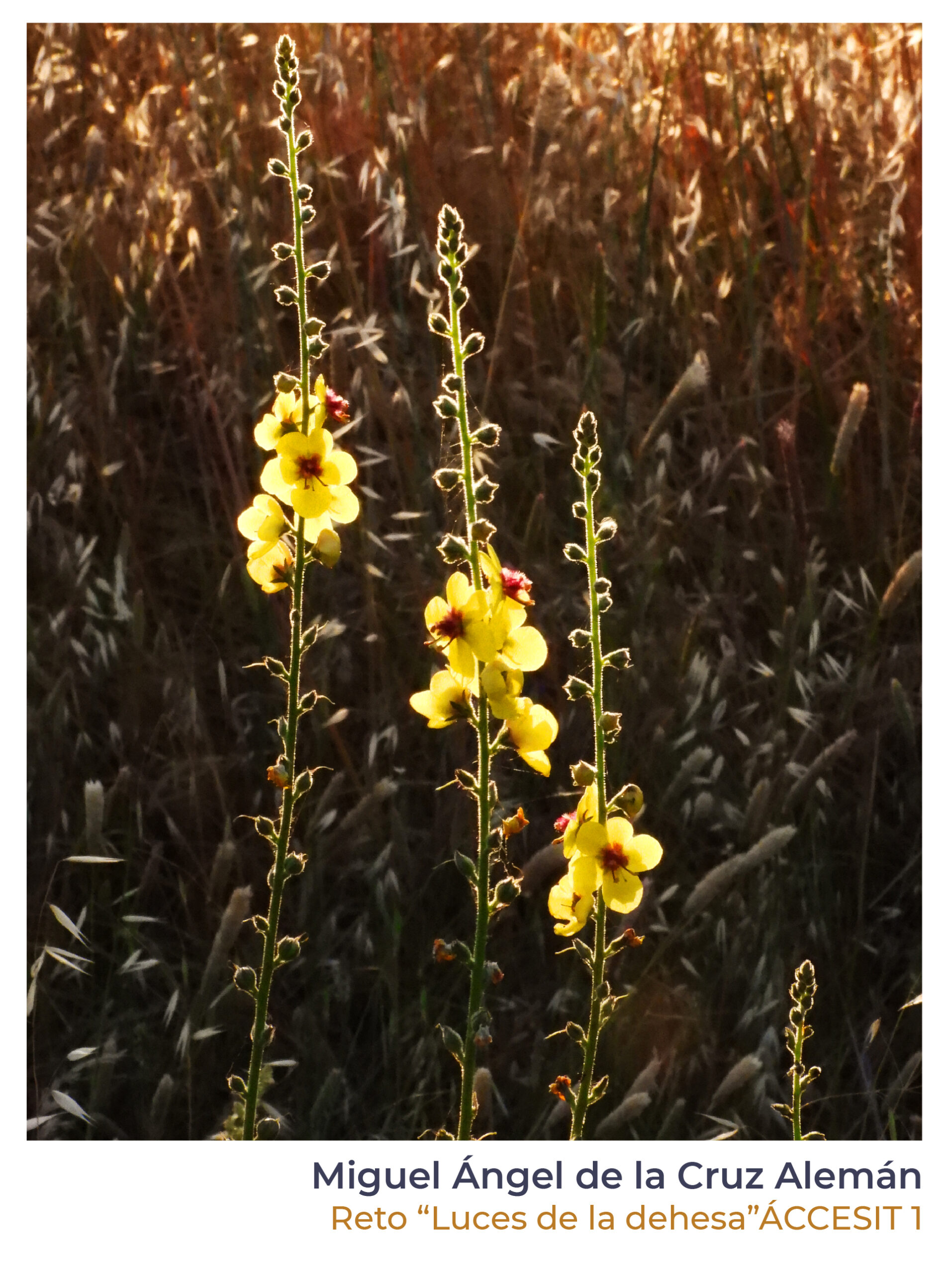
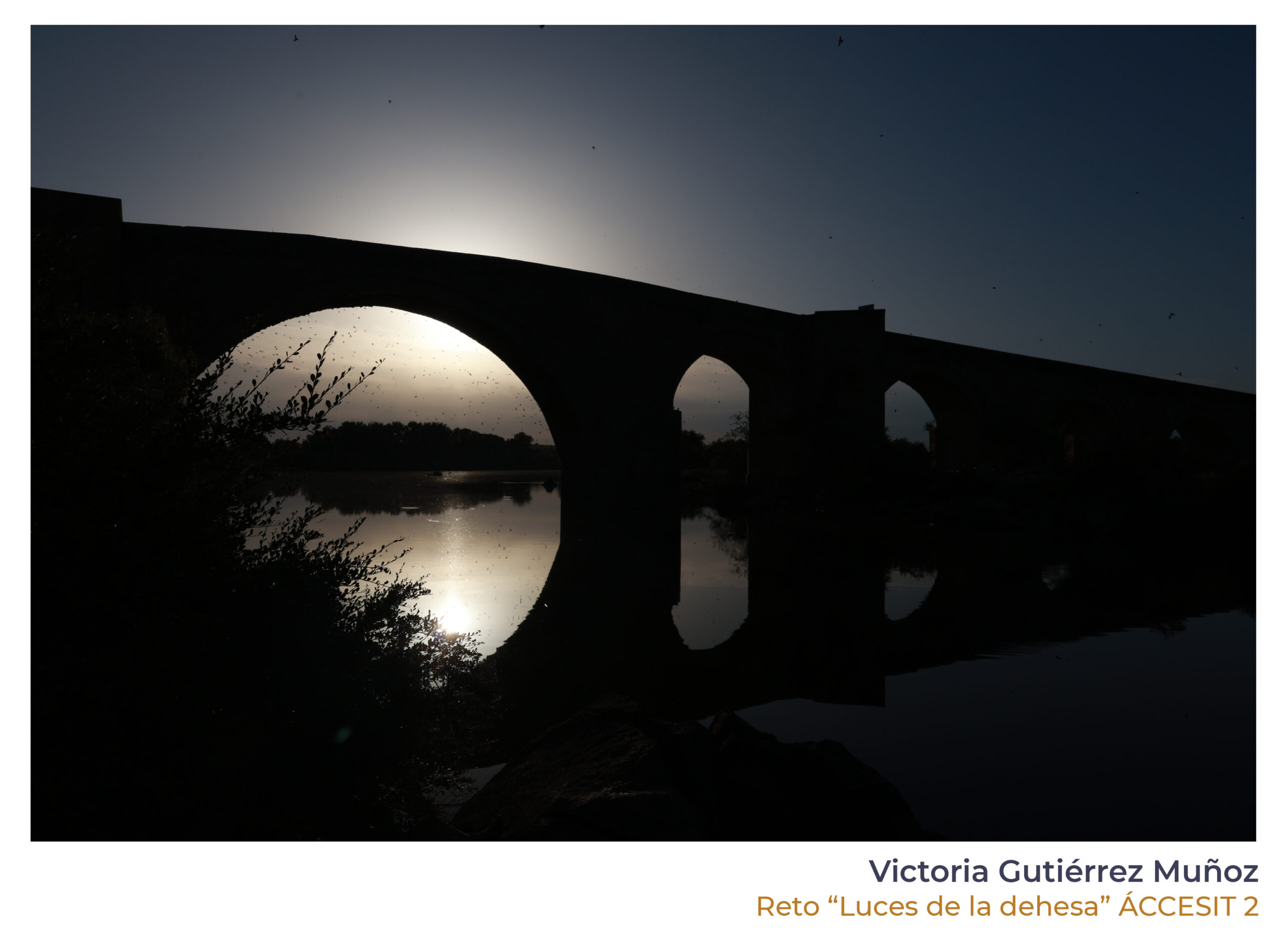
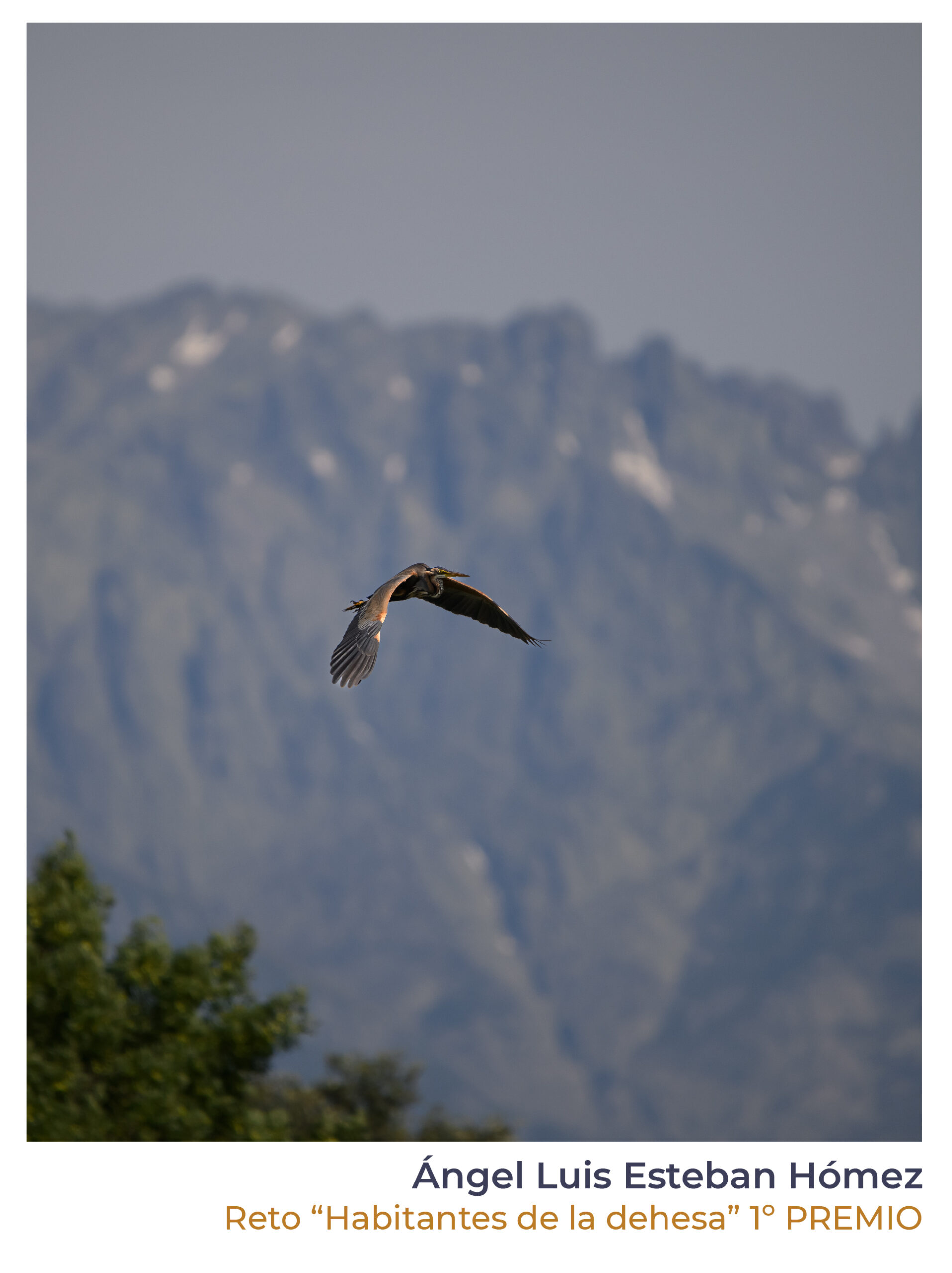
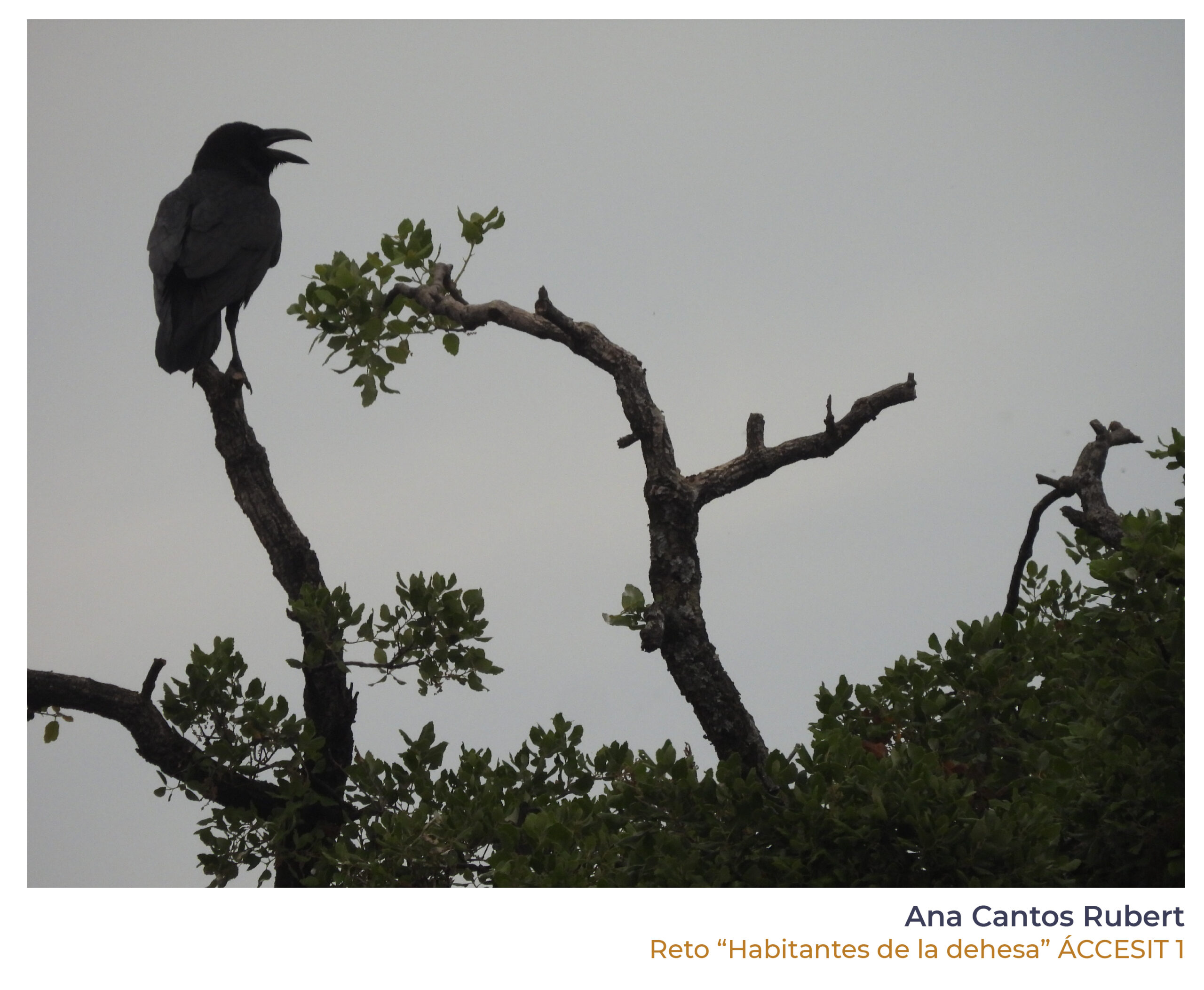
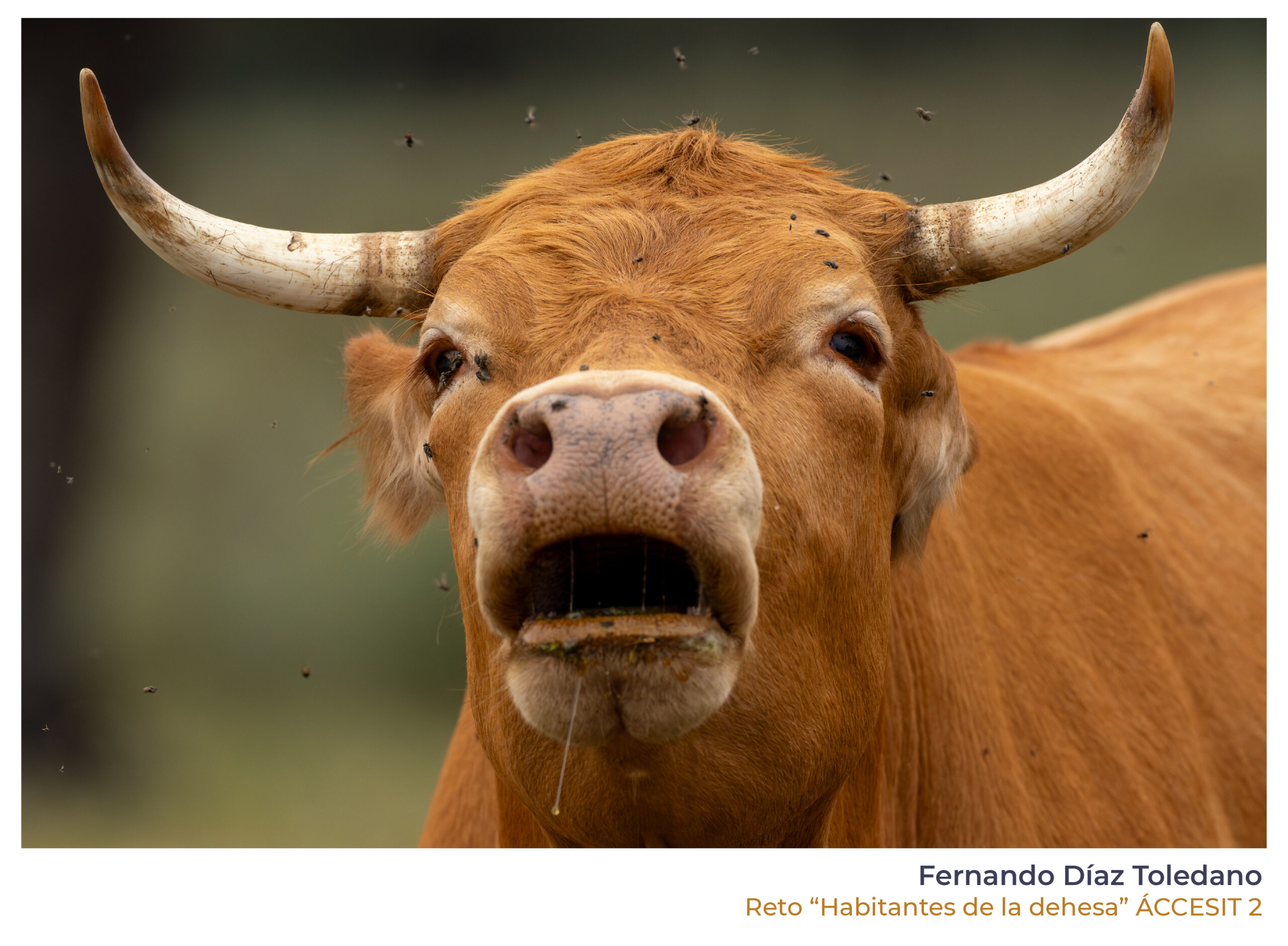
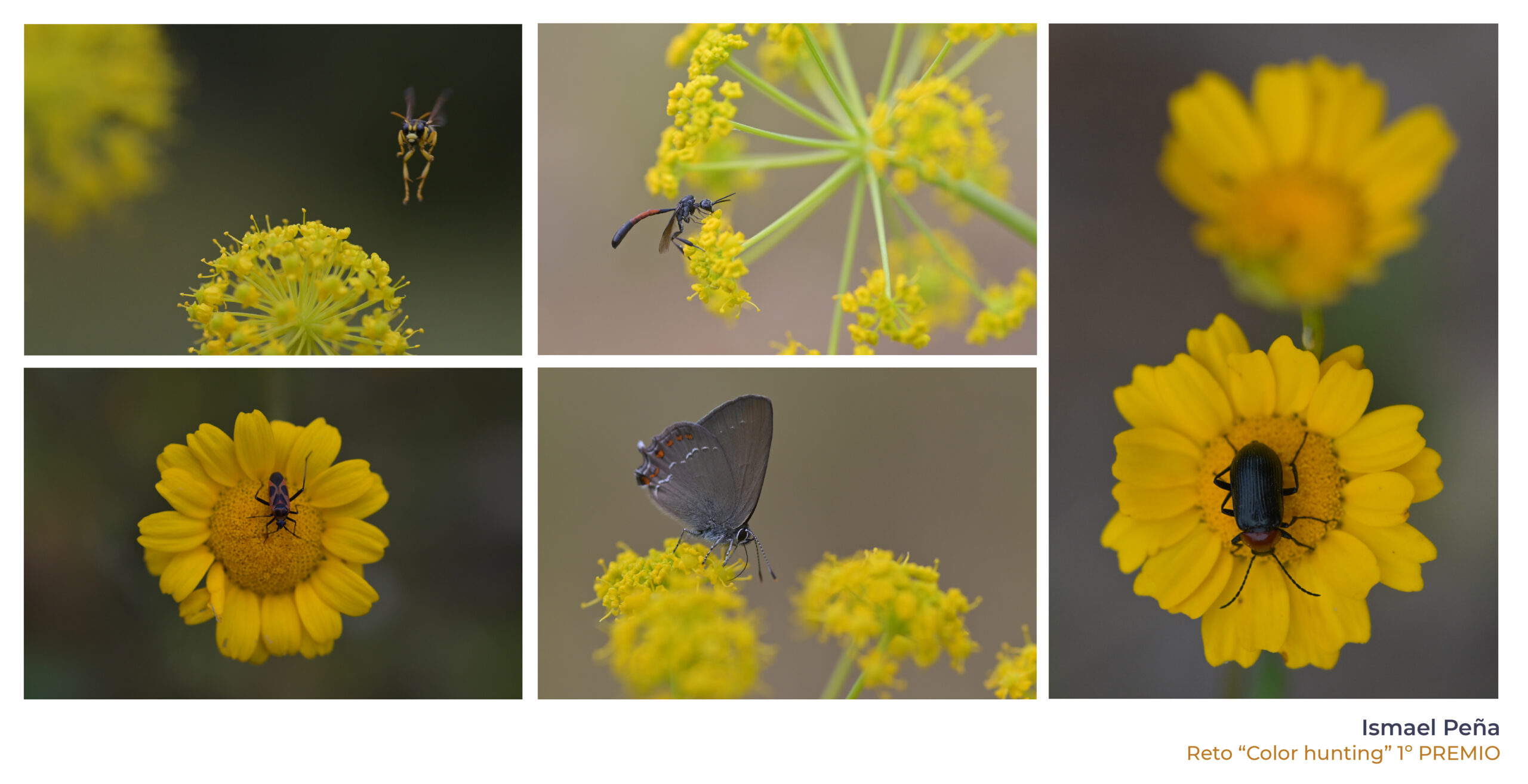
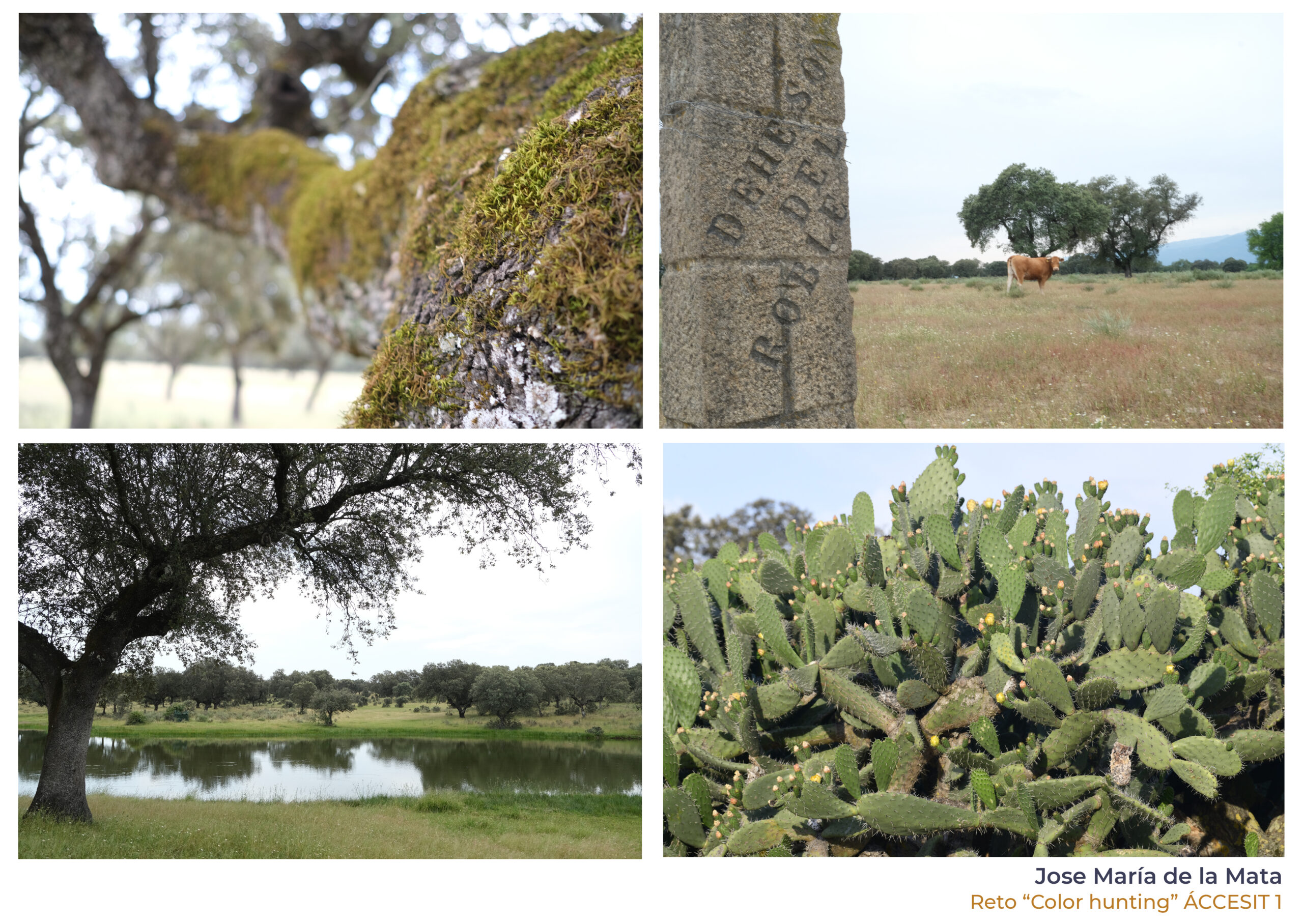
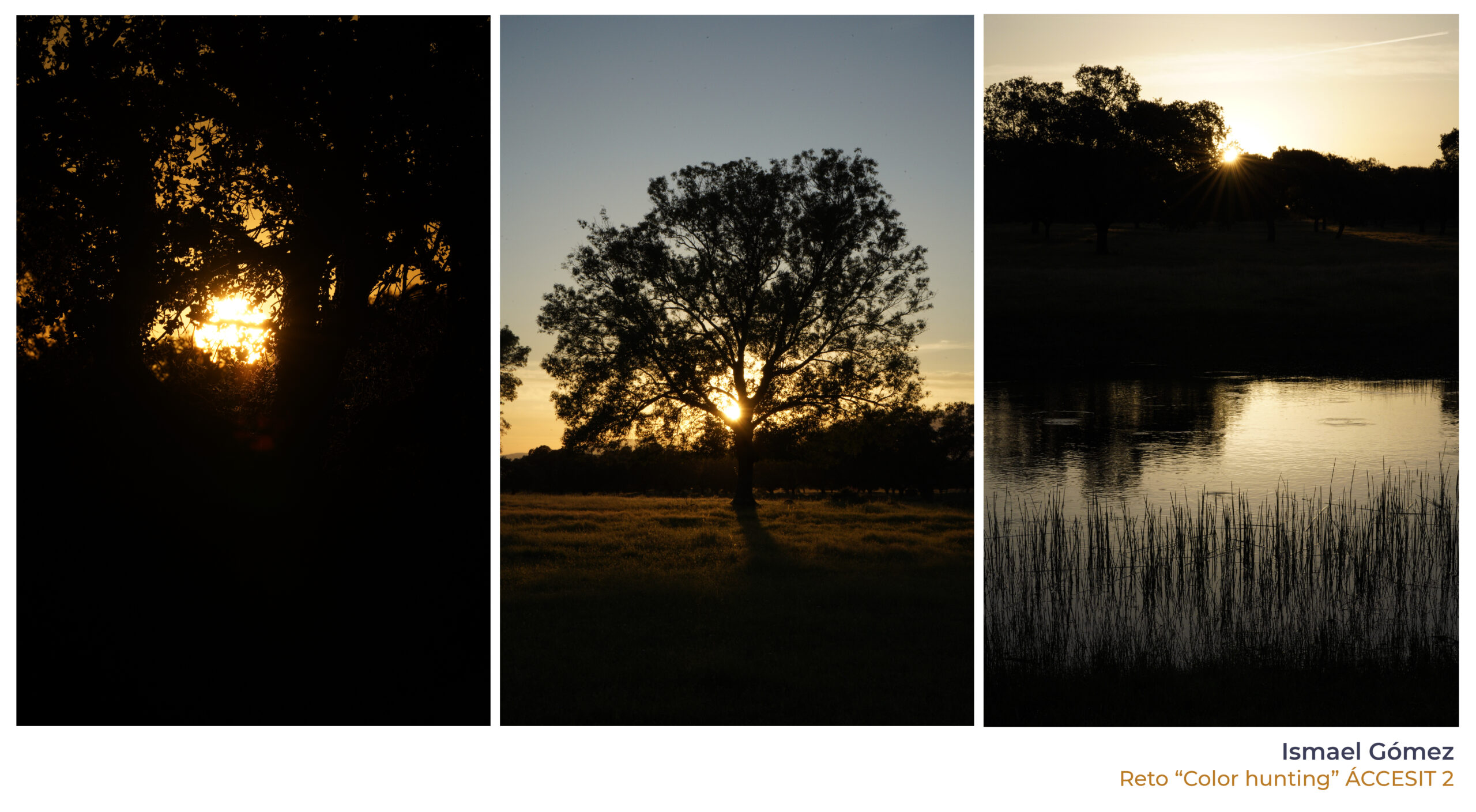
What began as a proposal to introduce nature photography to La Campana de Oropesa ended up becoming an experience shared by 43 participants who had travelled from different parts of Spain, united by a common passion: discovering and photographing nature with respect and a commitment to conservation.
A land waiting to be discovered
La Campana de Oropesa is one of those places that takes first-time visitors by surprise. A mosaic of pastures, holm oak woodlands, rivers, historic paths and villages, each with its own distinct character, where nature continues to set the rhythm of the seasons.
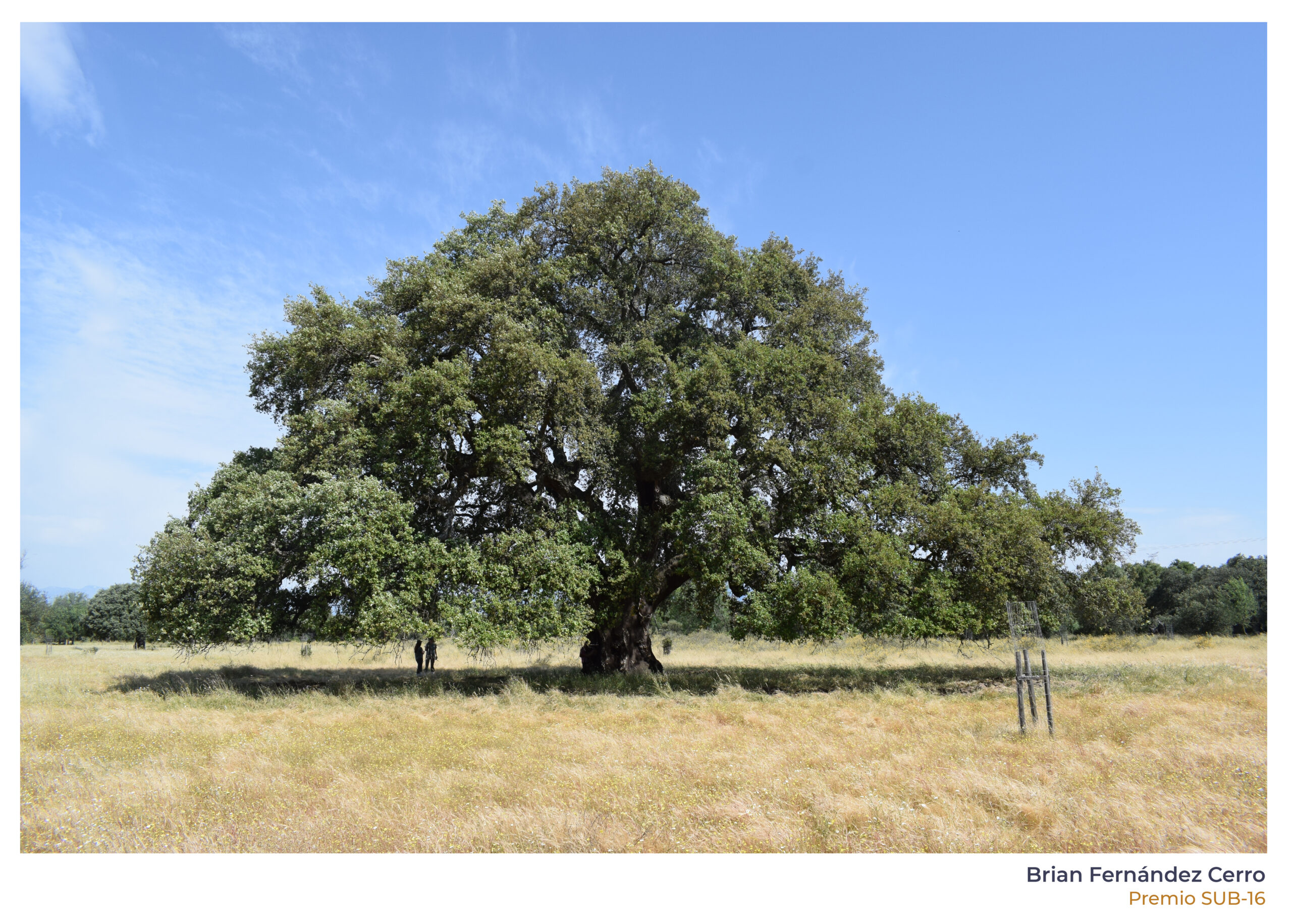
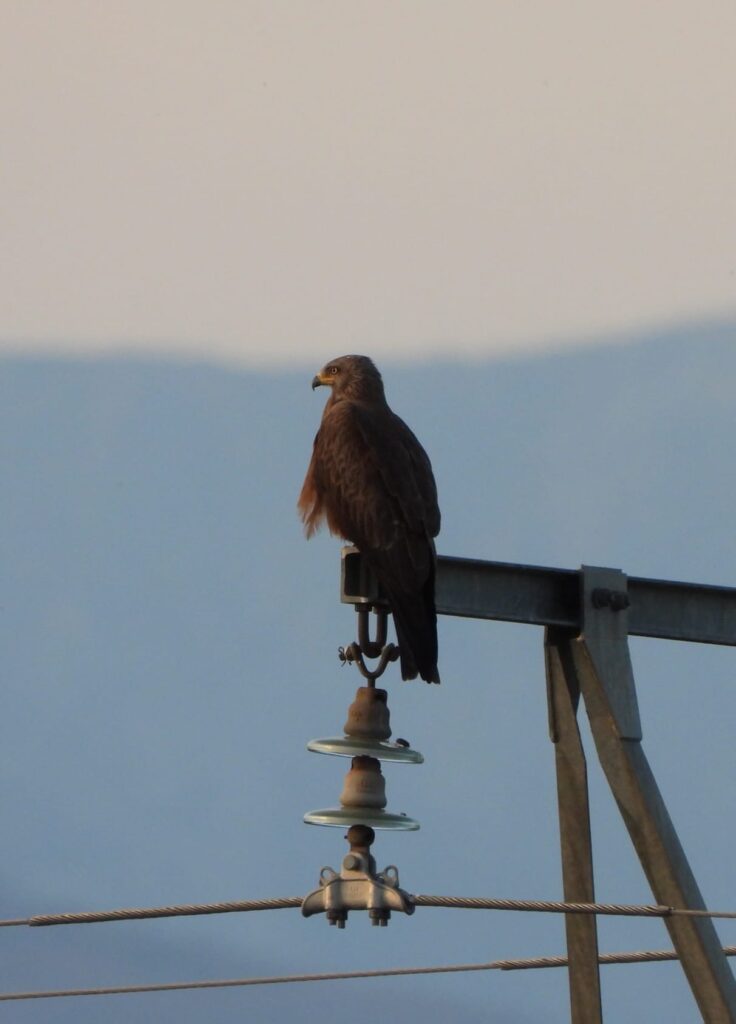
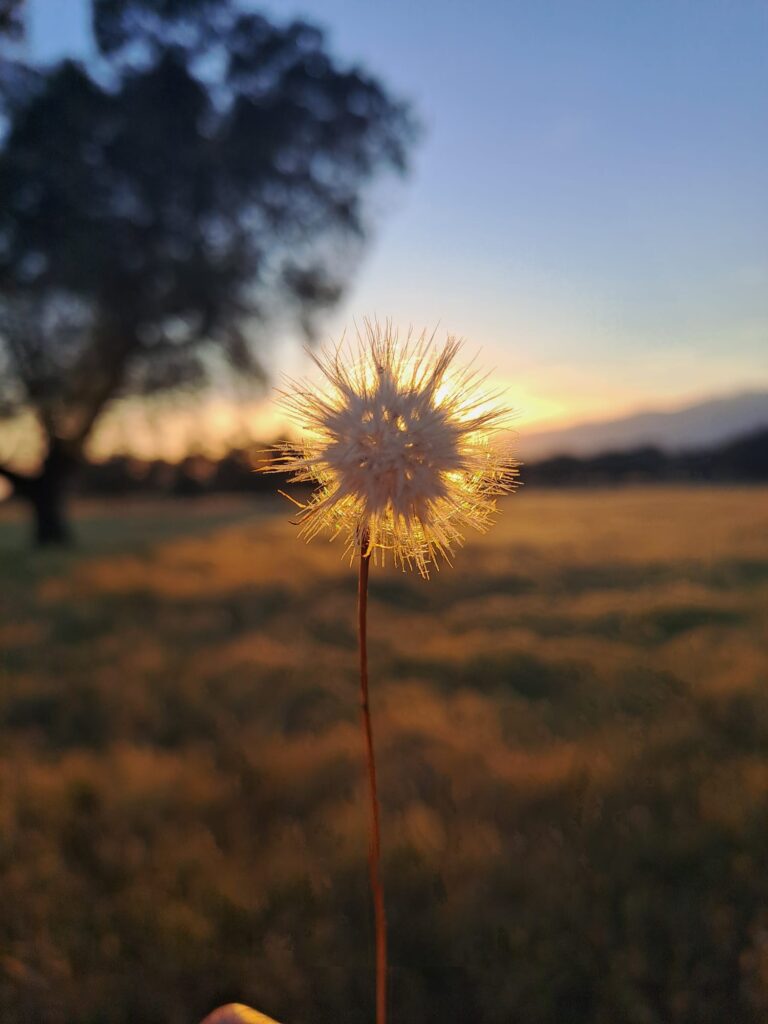
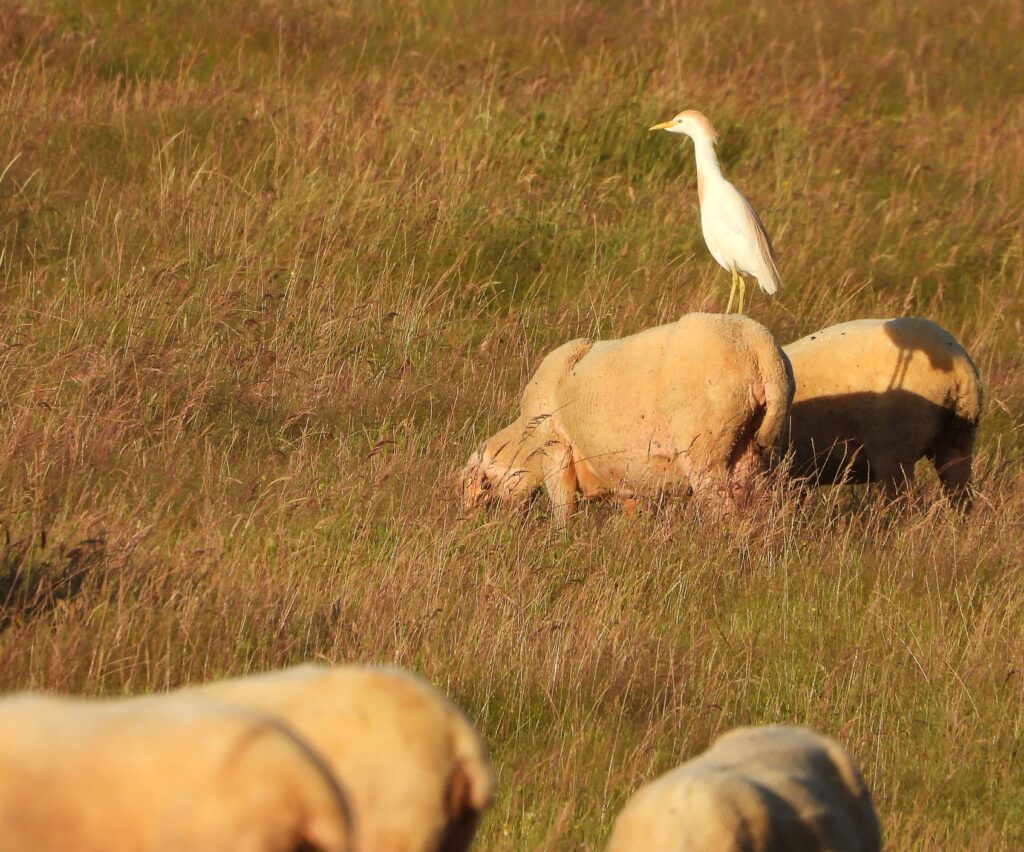
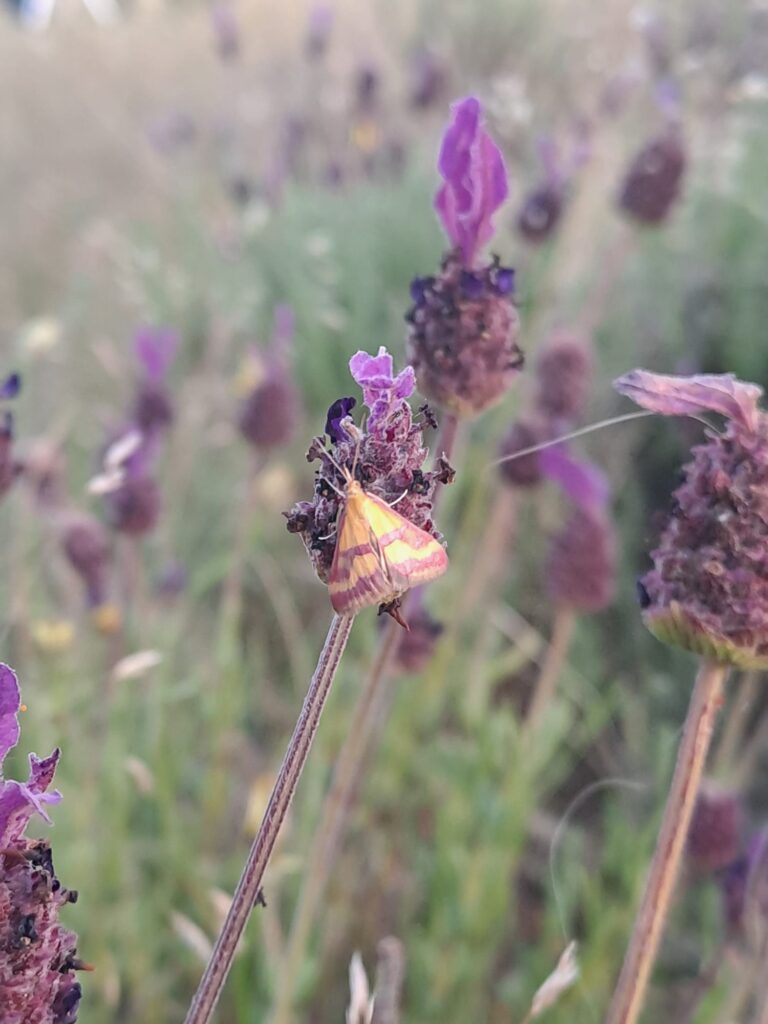
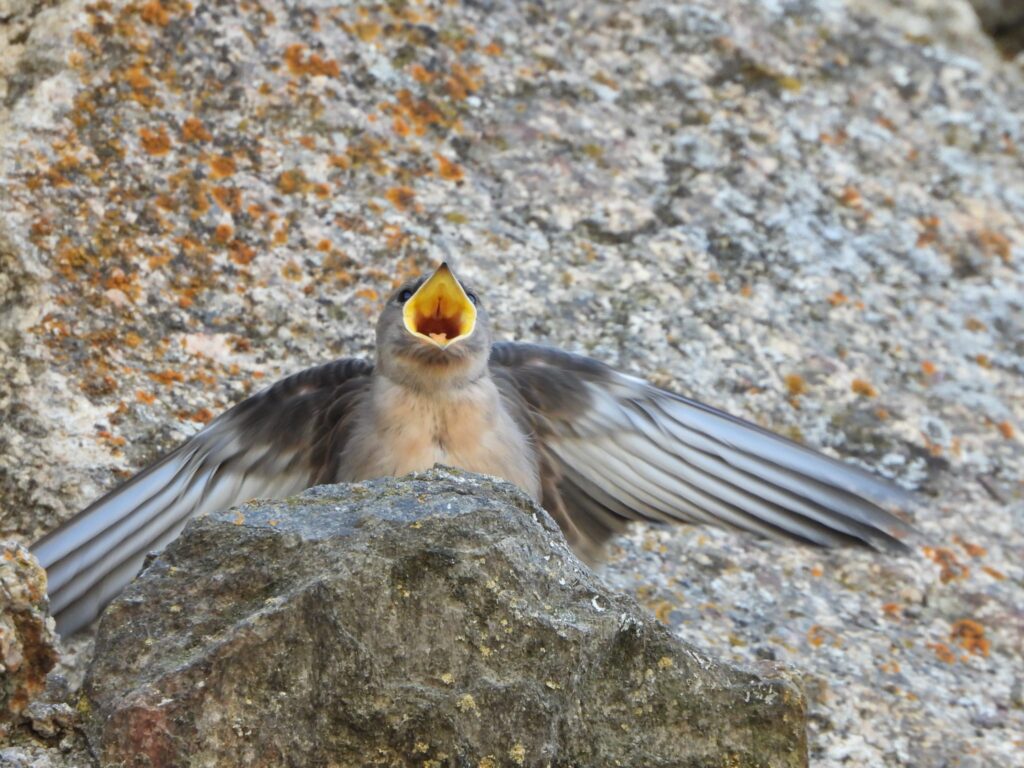
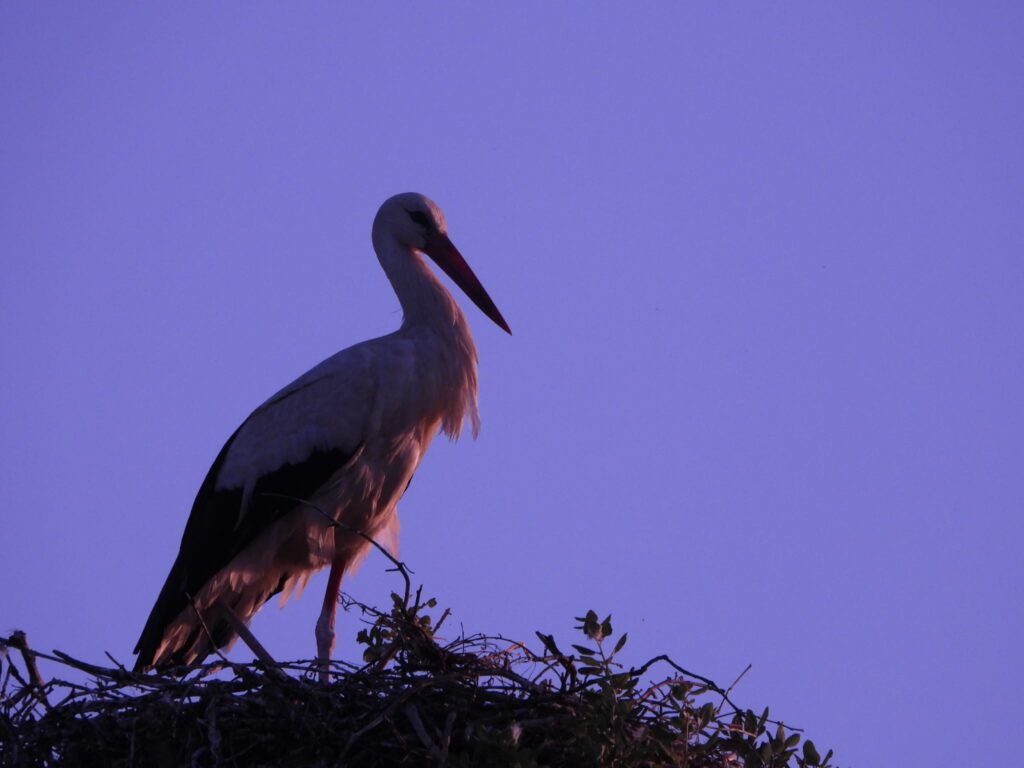
Over the course of three days, the participants had the opportunity to explore this area through photography, wandering through landscapes dominated by large holm oaks, observing birds associated with the dehesa and discovering some of the region’s most iconic spots.
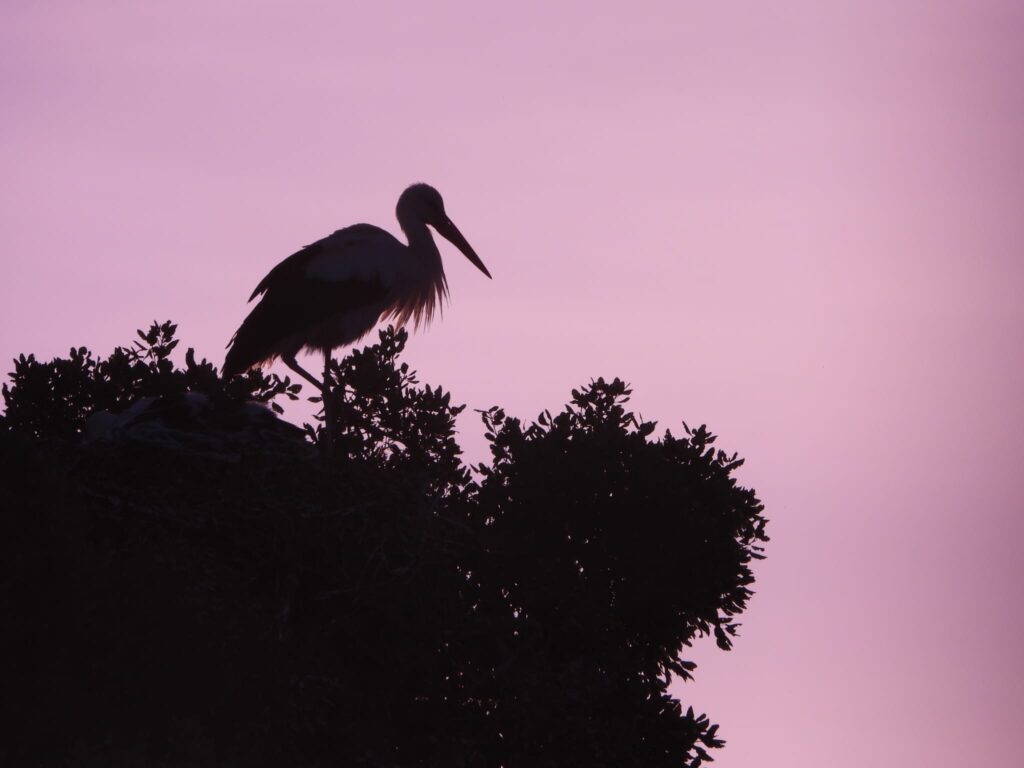
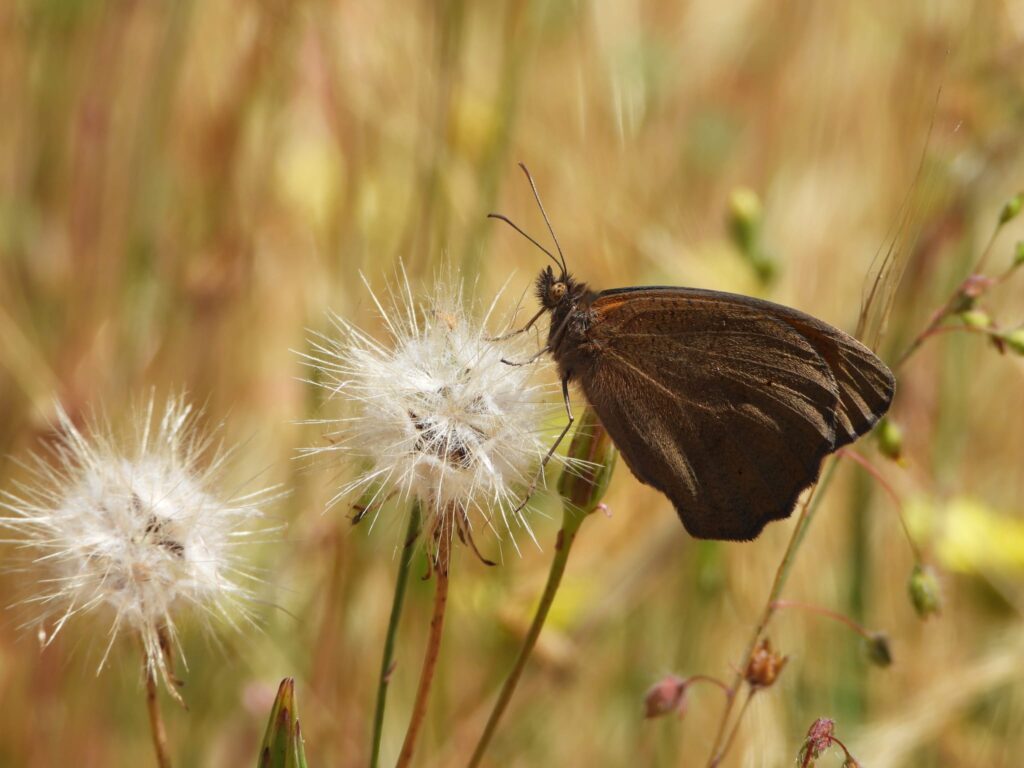
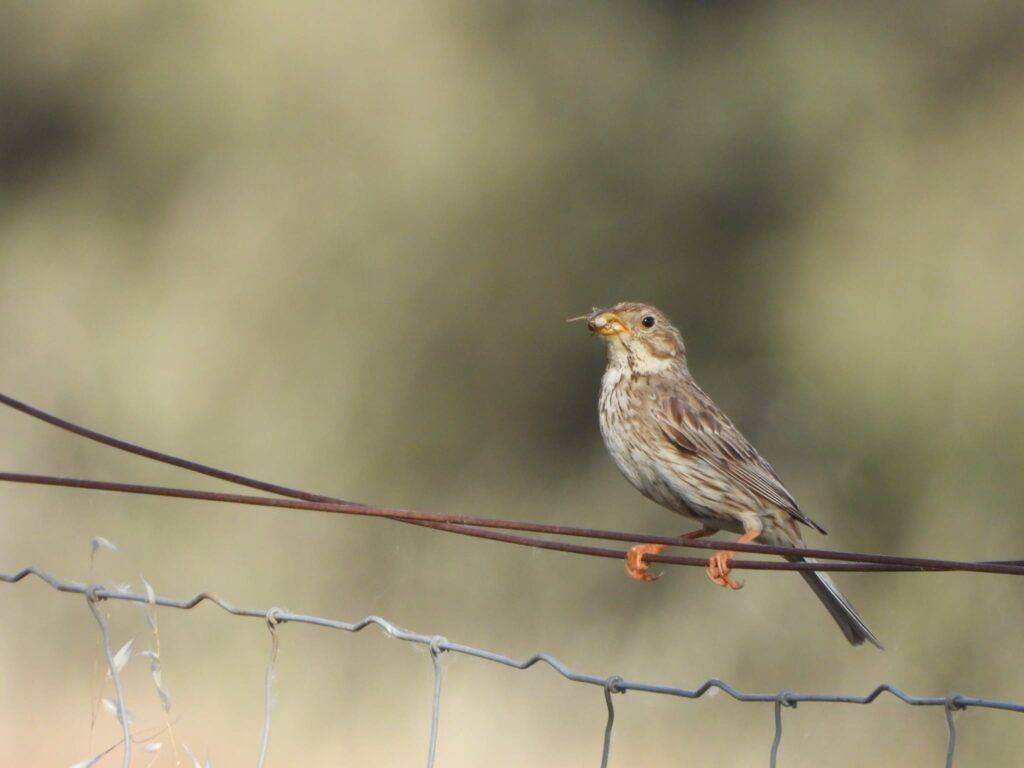
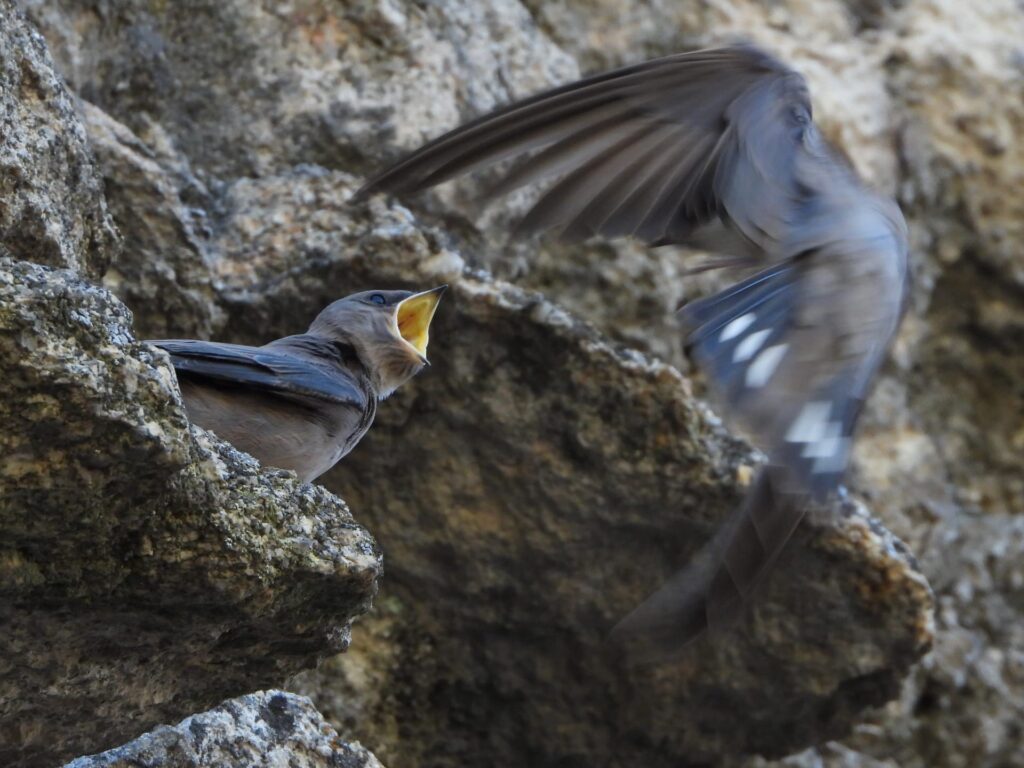
But the marathon was much more than just a photography competition.
Learning to see better
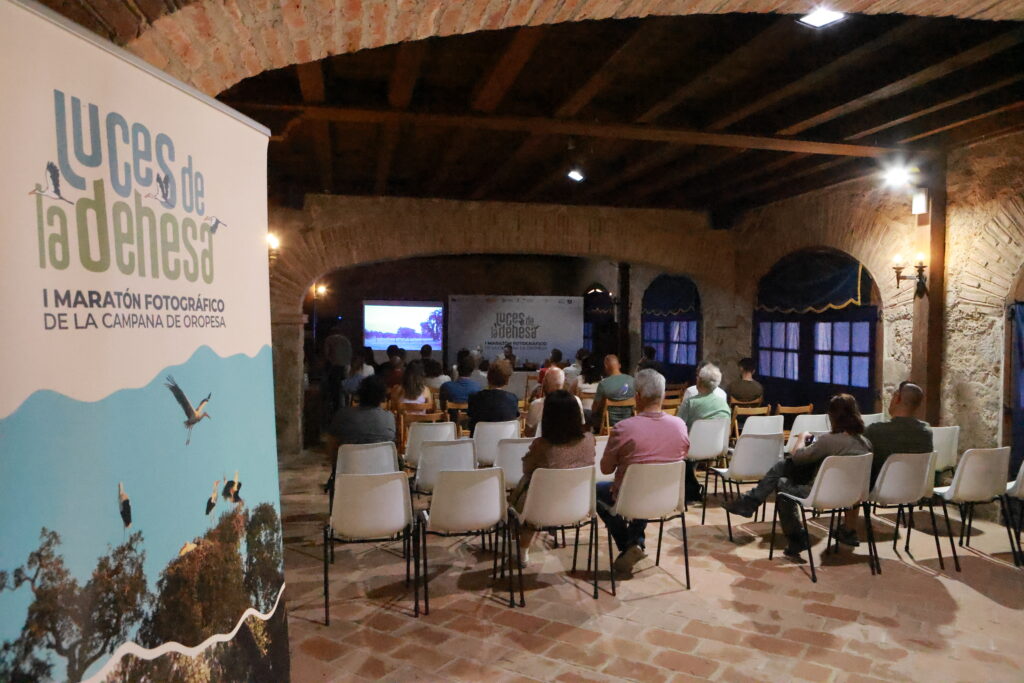
The programme kicked off on Friday at Oropesa Castle with a series of talks featuring leading professionals from the fields of nature photography, conservation and ecotourism.
Throughout the afternoon, attendees had the opportunity to reflect on the role of nature tourism as a tool for rural development, learn about conservation projects for iconic species such as the peregrine falcon, discover new approaches to landscape and wildlife photography, and discuss the importance of practising photography that is ethical and respectful of the environment.
Speakers included Luis Frechilla, Juan Manuel Blanco (Fundación Aquila), Pep Gassó, Héctor Cordero (AEFONA) and Naia Pascual, who shared their experiences, knowledge and insights, greatly enriching the experience for those in attendance.
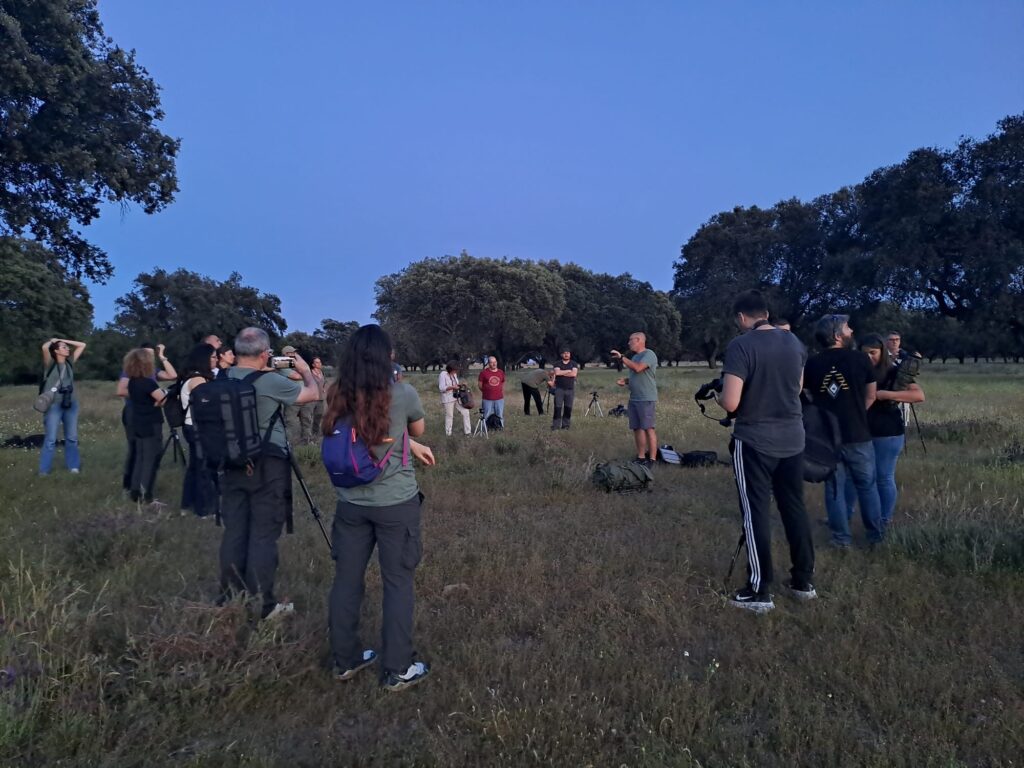
The day concluded with a hands-on workshop on night-time photography led by Pep Gassó, during which participants were able to immerse themselves in the magic of the dehesa at dusk and discover new creative possibilities under the stars.
Nature in its purest form
Saturday and Sunday were spent doing fieldwork.
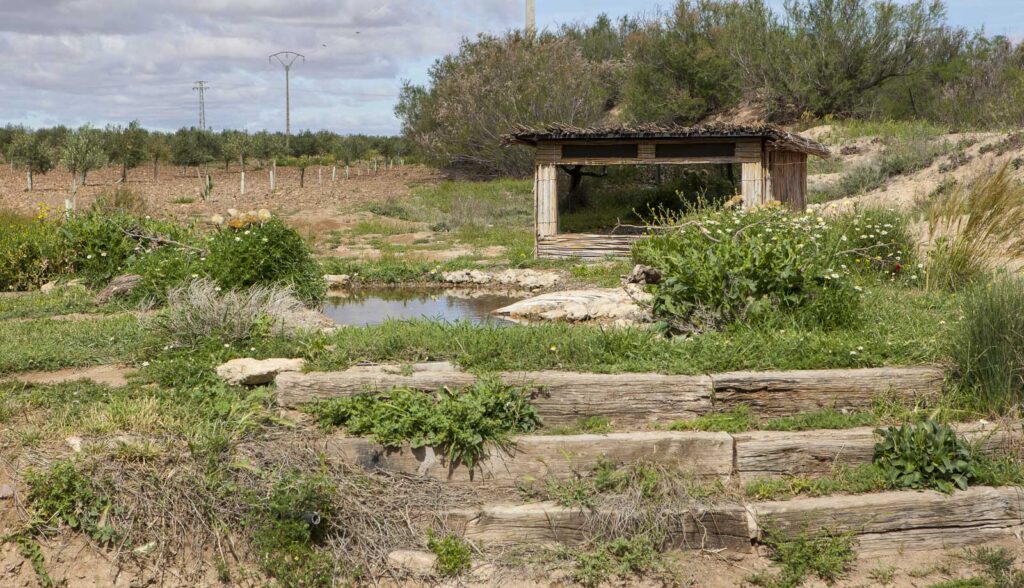
Participants were able to tailor their own experience by combining walking trails, tours in electric 4×4 vehicles and wildlife photography sessions from the new hides installed in the region.
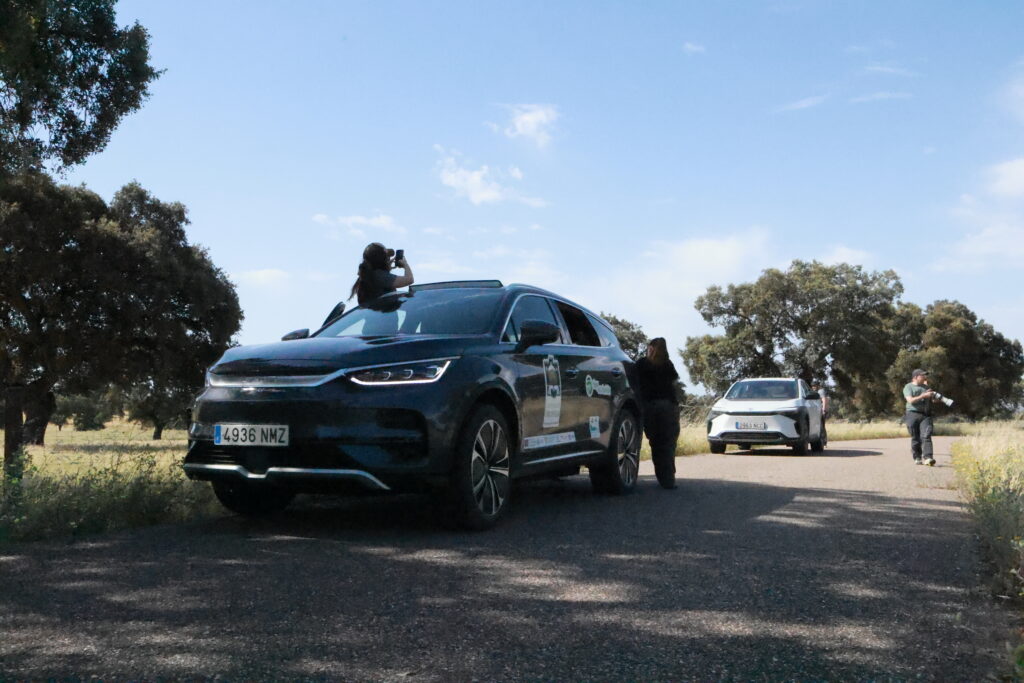
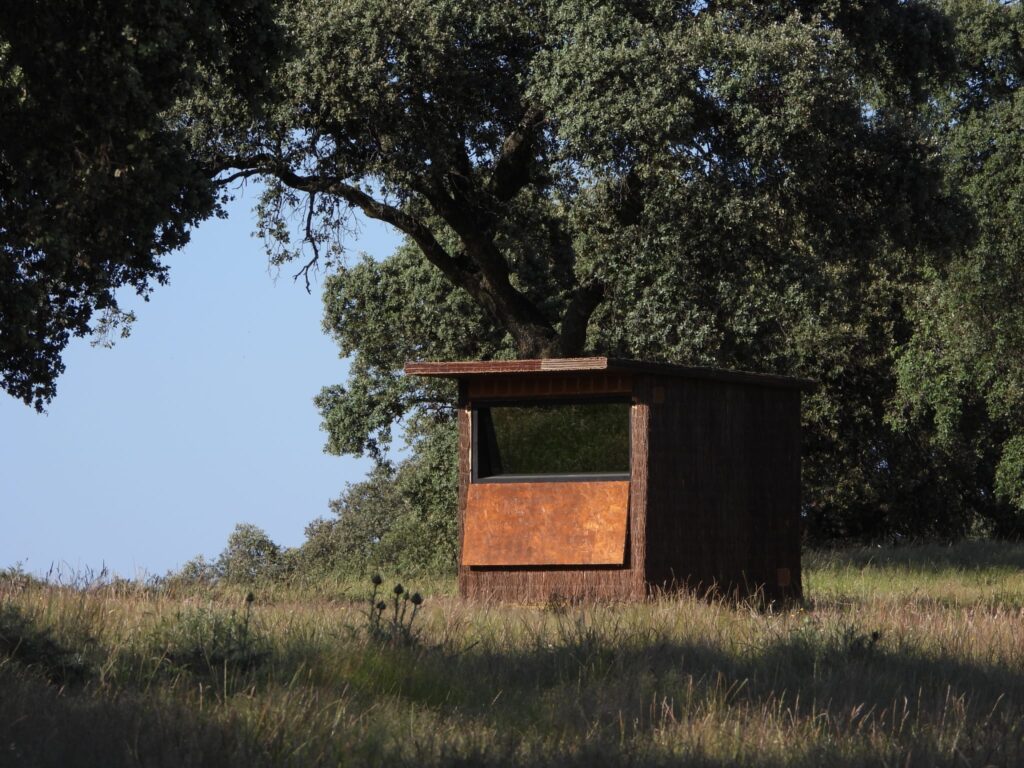
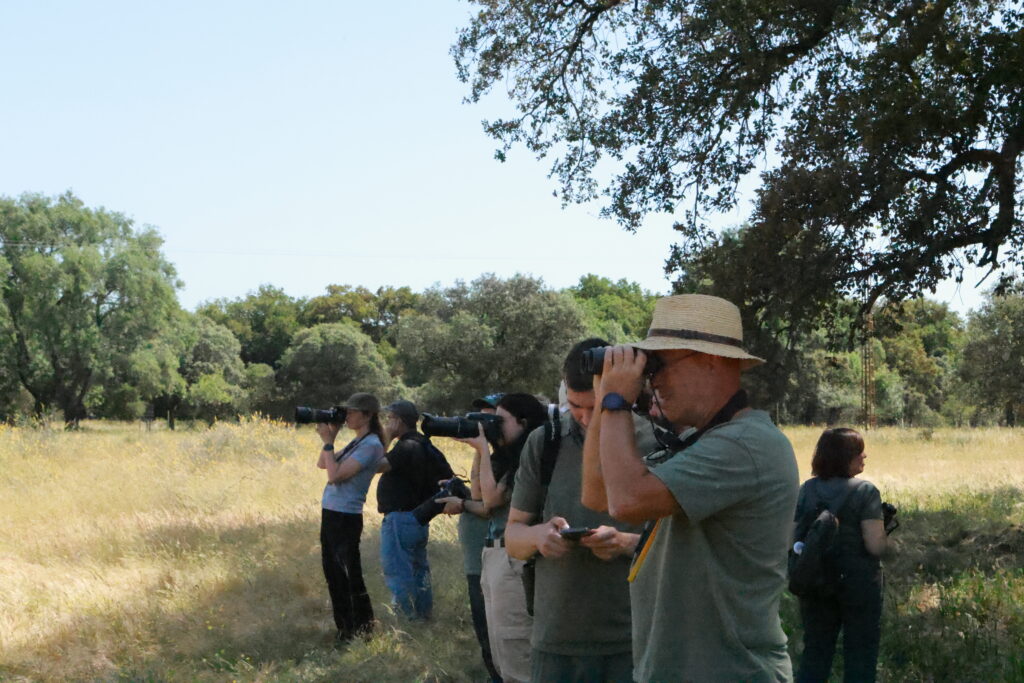
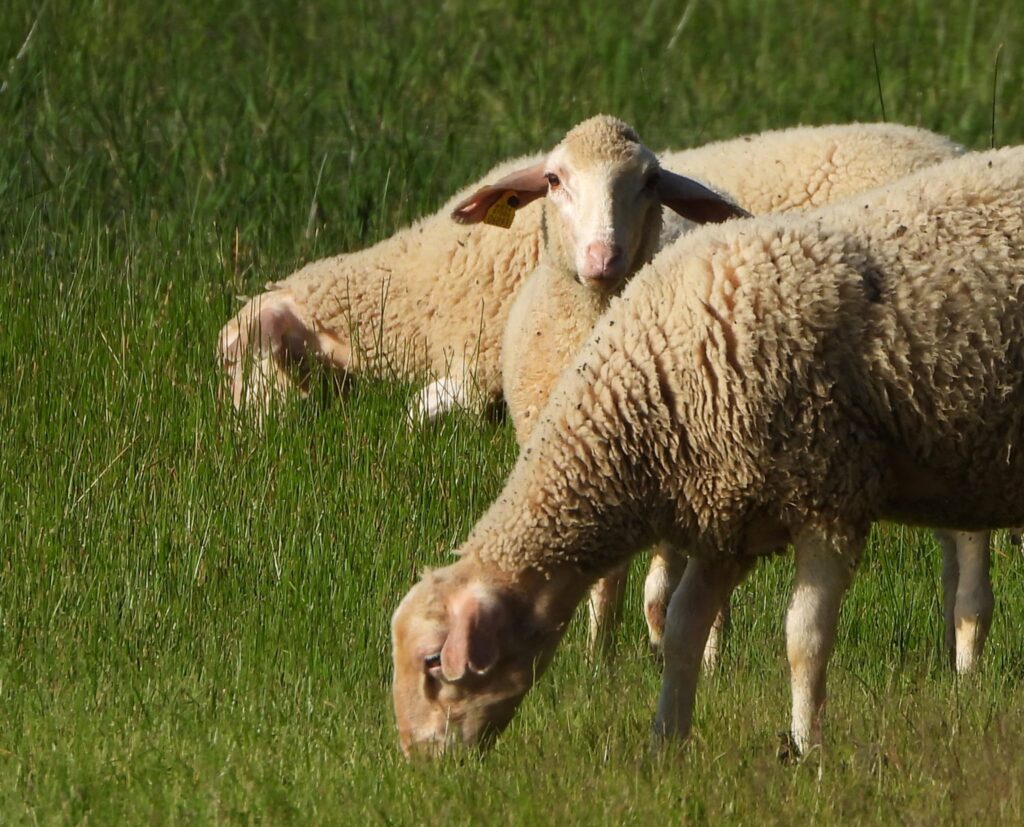
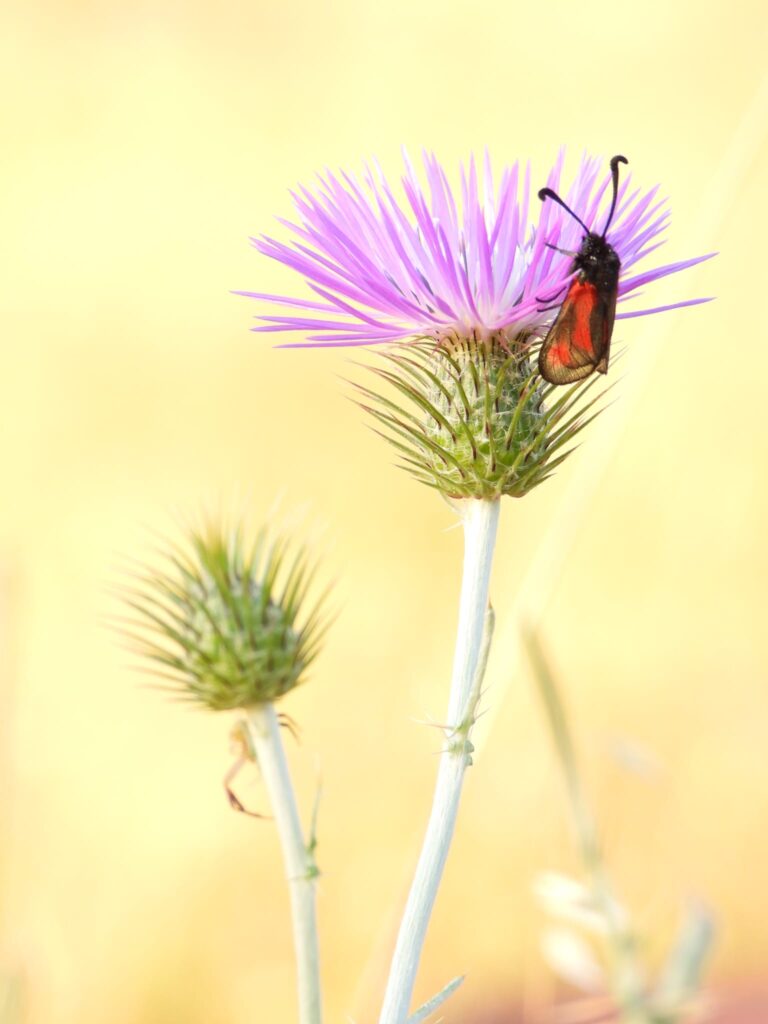
These activities provided an opportunity to explore different habitats in the Campana de Oropesa, from the vast open pastures to secluded spots where biodiversity finds refuge amongst holm oaks, cork oaks and watercourses.
One of the most highly valued aspects was precisely the freedom to explore the area, tailoring the experience to each photographer’s interests and encouraging a personal perspective on the landscape and its inhabitants.
Photography, conservation and the local area
Beyond the images captured, the marathon has served to convey a fundamental idea: nature photography can be a powerful tool for understanding, appreciating and conserving our natural heritage.
For this reason, the event included a set of ten guidelines on best practice to promote responsible photography, based on respect for wildlife, private property and the region’s natural heritage.
This approach is fully in line with the project’s philosophy, which aims to establish Campana de Oropesa as a leading destination for ecotourism and nature photography.
A project driven by the Tourism Sustainability Plan
The 1st Oropesa Bell Photography Marathon forms part of the activities organised as part of the Destination Tourism Sustainability Plan (PSTD) for La Campana de Oropesa, a strategy designed to promote a model of tourism based on sustainability, conservation and the enhancement of natural and cultural heritage.
Thanks to this plan, the region now boasts new infrastructure and experiences linked to nature tourism, such as photography hides and interpretative trails on electric vehicles, which will help to diversify the range of tourist attractions and create new opportunities for the region.
This is just the beginning
The success of this first edition demonstrates the enormous potential of La Campana de Oropesa as a destination for nature photography and ecotourism. Above all, however, it confirms that there is a growing community of people keen to discover the area in a different way: by observing, learning and connecting with nature.
On behalf of the organisers, we would like to thank all the participants, speakers, contributors and organisations that have made this project possible. Over the course of three days, we photographed landscapes, birds and unique moments. But we also built something far more important: a new way of looking at the Campana de Oropesa.
And this story has only just begun.