- El Taray Lagoon
- Eurasian hoopoe, western jackdaw
- Morning light
- From March to September
- 7.30 am to 12 pm
- 2 people
Share
Click to enlarge
- Vega Mazón
- El Espartal
- Hoya de Linares
- Drinking hide Casa de Labor
- European Roller Casa de los pastores
- European roller Casa de labor
- European roller La lagunita
- Masiega
- Mangada
- Reflections
- Little owl
- Eurasian hoopoe
- Iberian grey shrike and common kestrel
- Compuertas húmedo
- Compuertas seco
- River northern goshawk
- Hydrohide
- Wading bird hide
Other hides at El Taray Lagoon
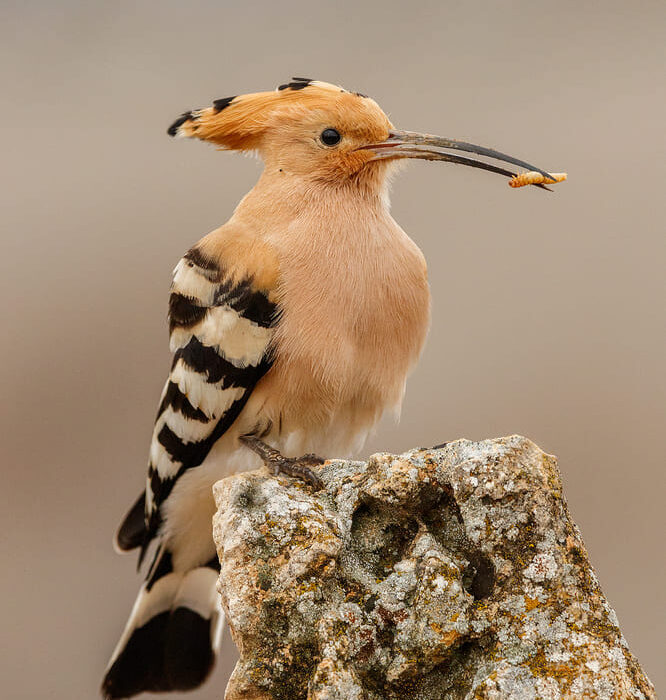
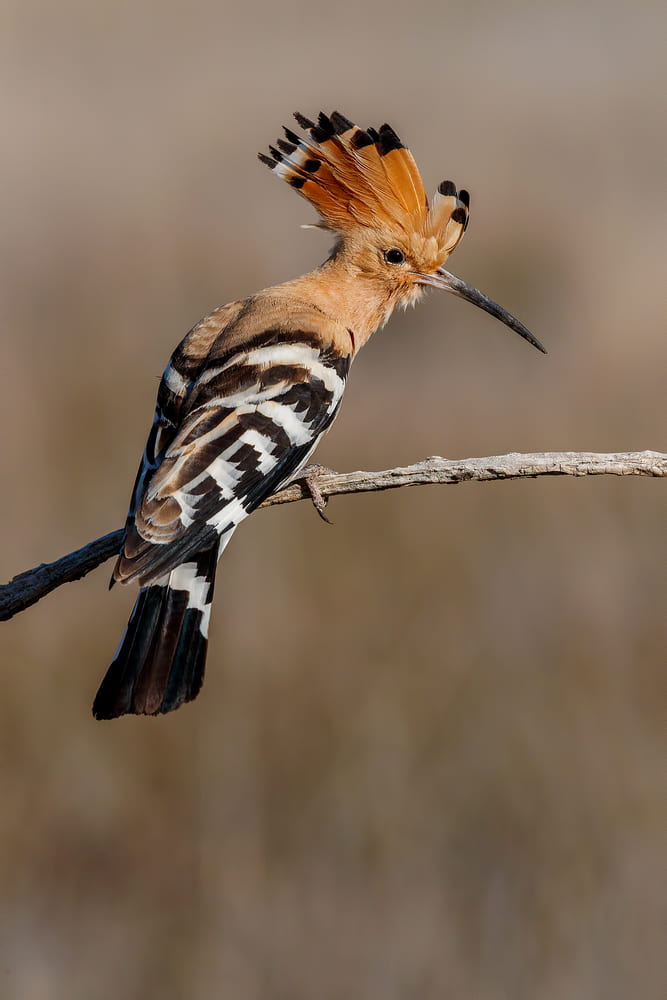
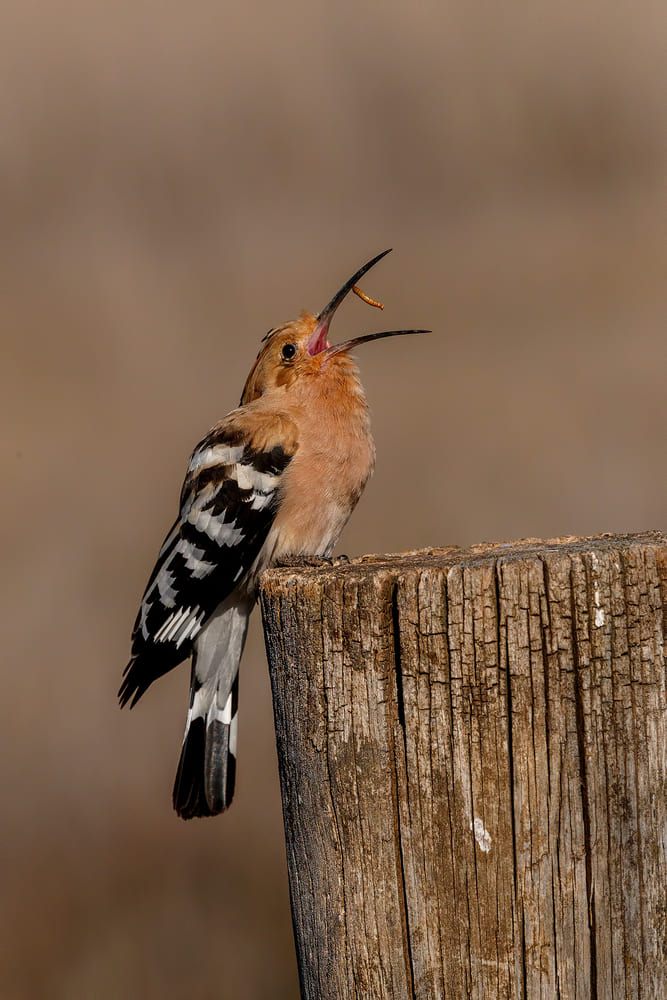
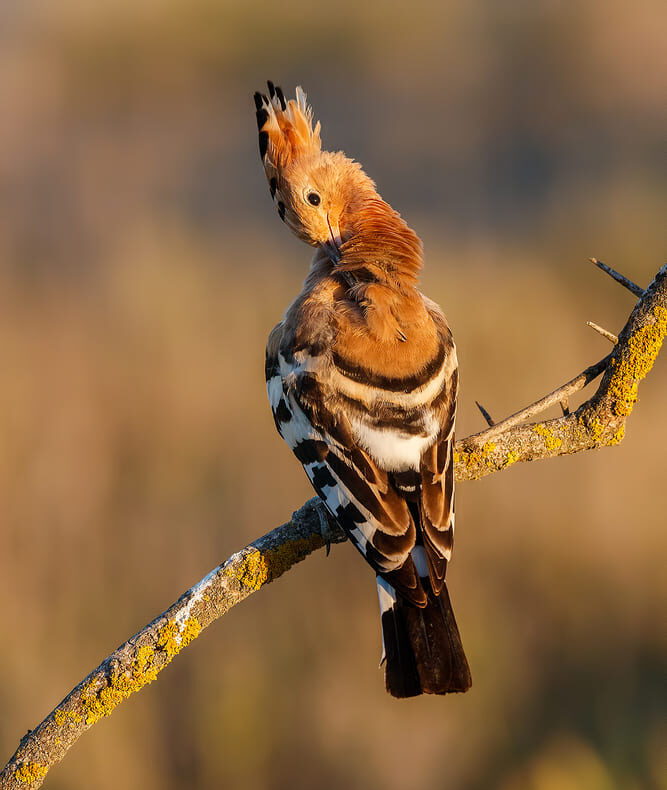
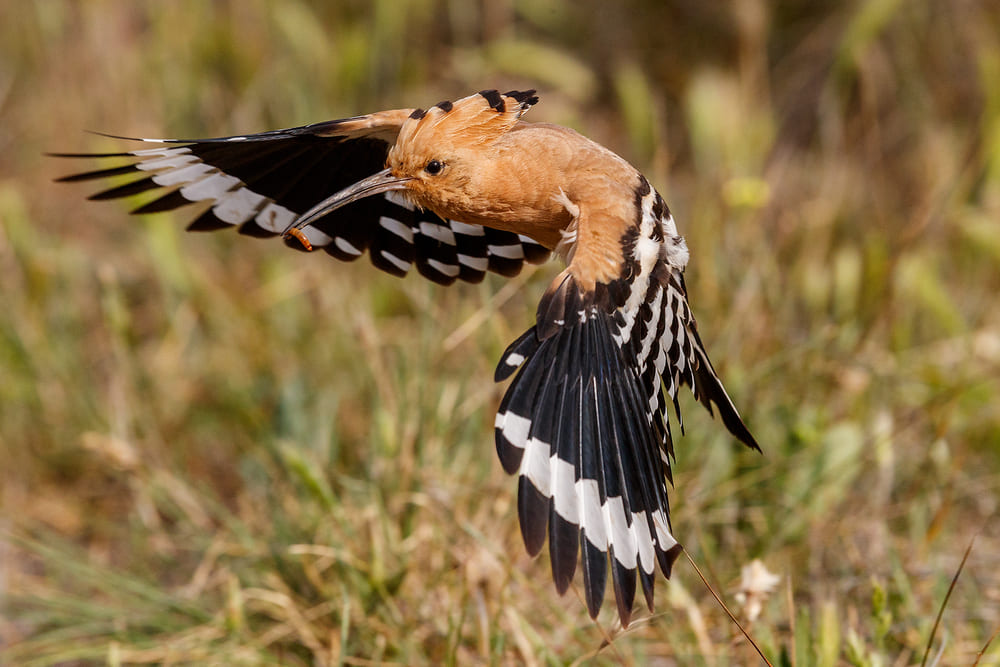
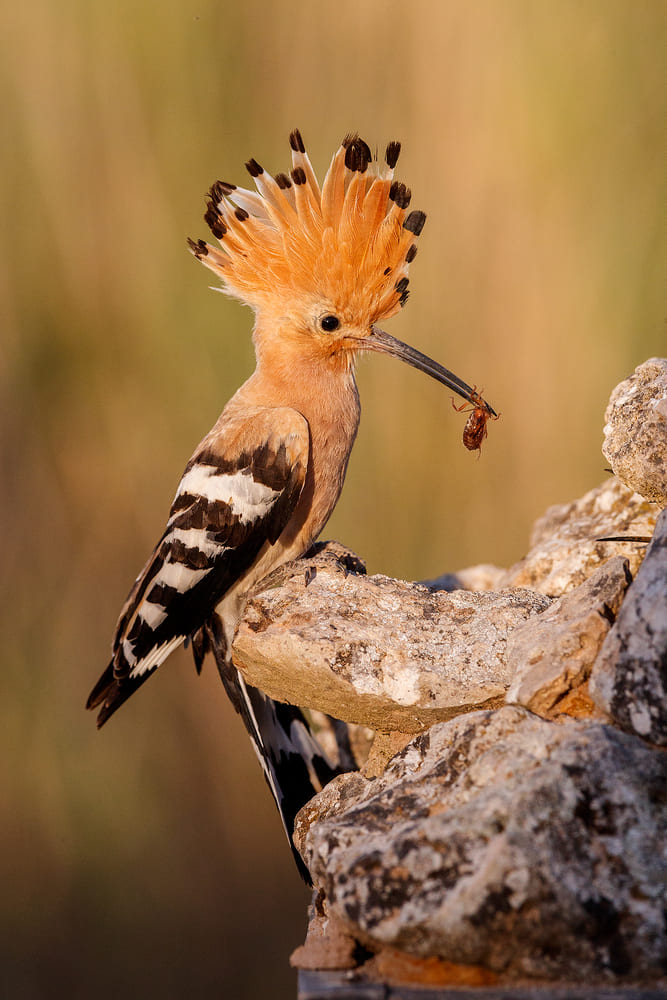
A hide situated near an artificial hoopoe nest box that is reused year after year. The reed beds and rows of tamarisk trees provide the backdrop for a photographic setting comprising various elements that allow for a wide variety of shots during each session. Although the hoopoe is the main focus of this hide, many other species are common in the area and regularly visit the feeders.
Hoopoes are sedentary birds in El Taray, with a significant wintering population that has numbered around 30 individuals in recent years. During this time of year, they are occasionally photographed in Vega Mazón and other locations, but they do not favour specific areas; instead, they roam between different sites, moving frequently. This is why this hide is not used regularly until the hoopoes begin nesting around March or April (very late compared to other places). Between April and July–August, several broods are raised and hoopoes are present around the nest on a daily basis. In April–May, migratory birds join the resident population, which may result in visits from Common Redstart and European Pied Flycatchers, Common Whitethroat and shrikes. The final stage of each brood is particularly fascinating, both due to the frequency of feeding and the adults’ visits, and because the chicks peer out of the nest entrance to receive their food.
Species photographed at this hide: eurasian hoopoe, roller, spotless starling, common starling, woodchat shrike, eurasian magpie, house sparrow, common whitethroat, european stonechat, common redstart, european pied flycatcher, little owl.
Combine this hide
You can combine this hide with other nearby hides to get the most out of your trip. If you’d like to enjoy several photo sessions, we’ll advise you on the best options.
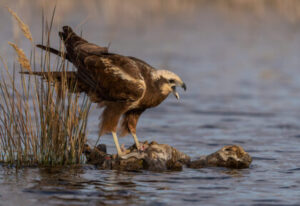
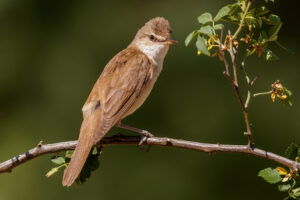
More photos taken from this hide
Click to enlarge