- El Taray Lagoon
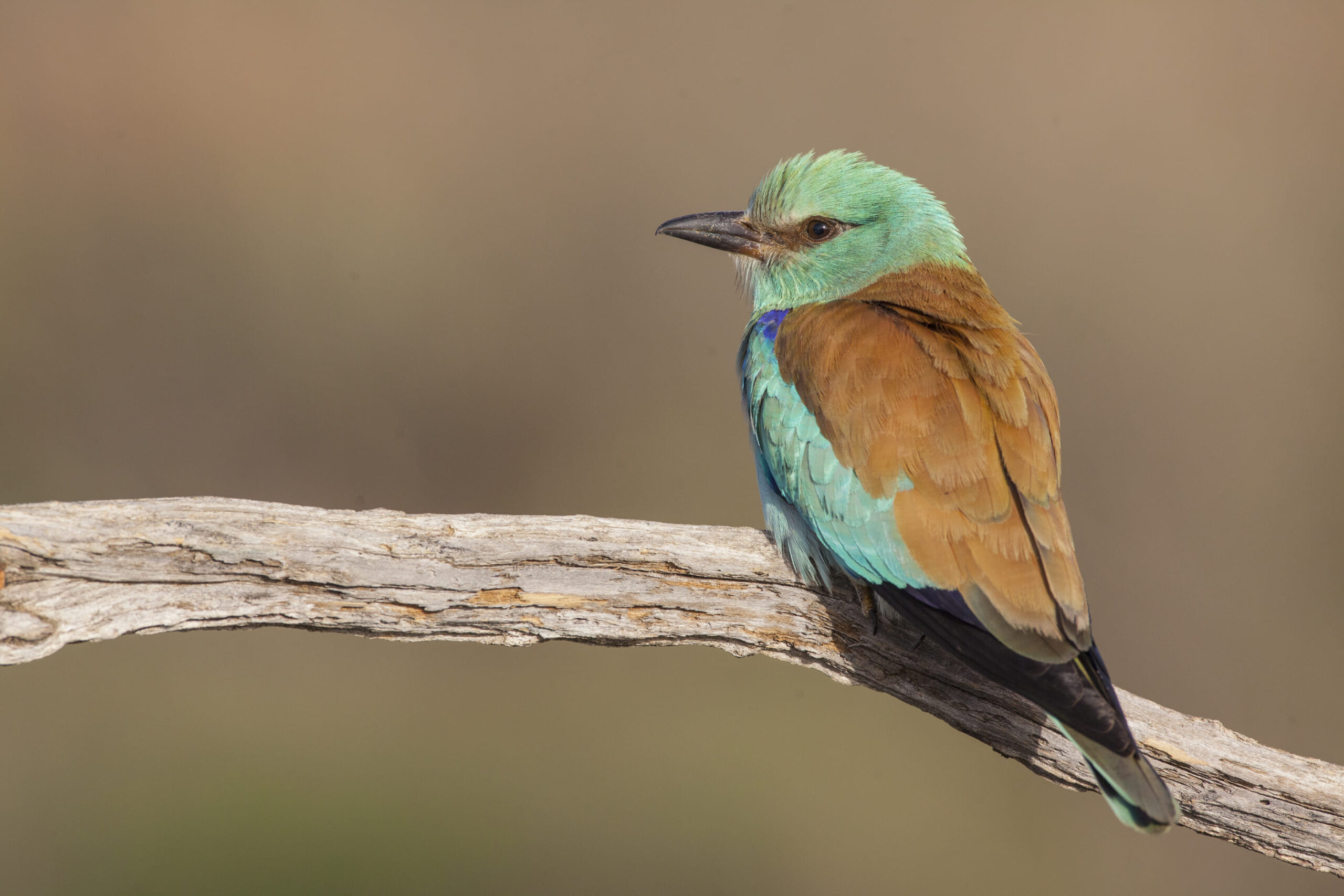
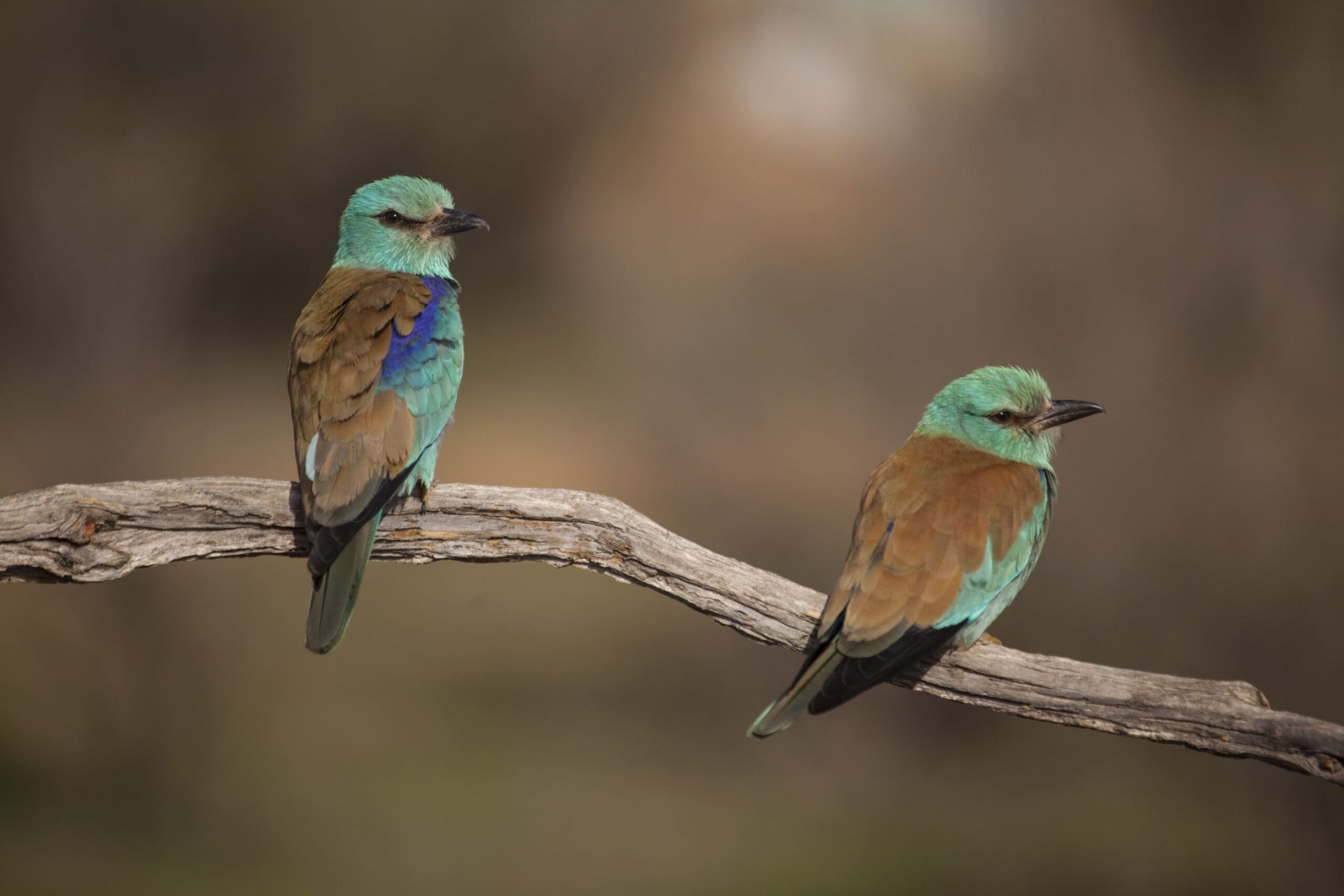
- European roller, eurasian hoopoe, little owl, western marsh harrier
- Morning light
- From 20 April to 15 July
- 7:00 a.m. to 12:00 p.m.
- 2 people
Share
Click to enlarge
- Vega Mazón
- El Espartal
- Hoya de Linares
- Drinking hide Casa de Labor
- European Roller Casa de los pastores
- European roller Casa de labor
- European roller La lagunita
- Masiega
- Mangada
- Reflections
- Little owl
- Eurasian hoopoe
- Iberian grey shrike and common kestrel
- Compuertas húmedo
- Compuertas seco
- River northern goshawk
- Hydrohide
- Wading bird hide
Other hides at El Taray Lagoon
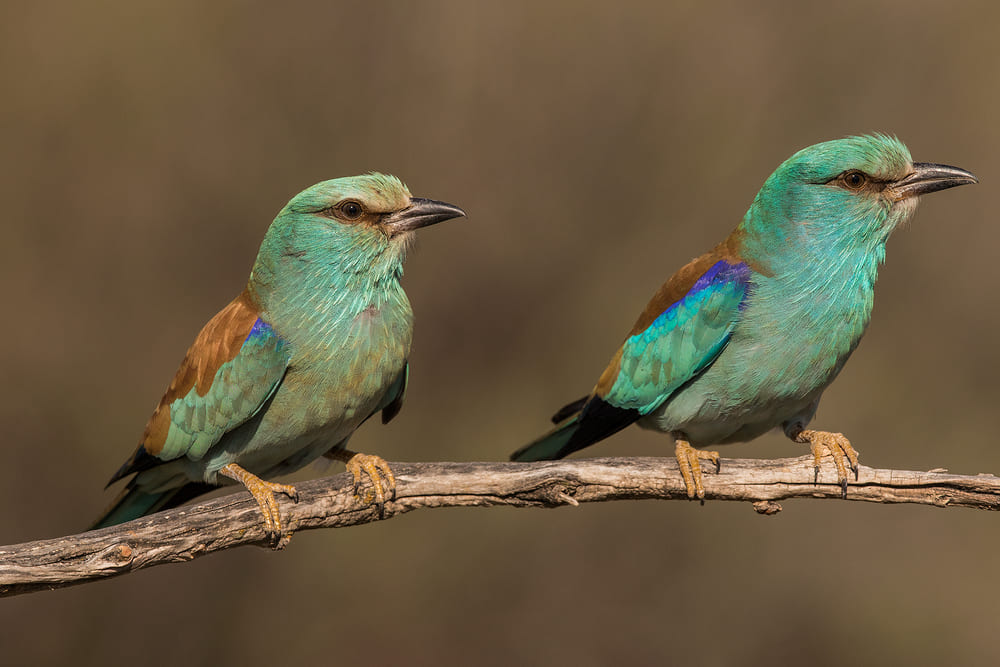
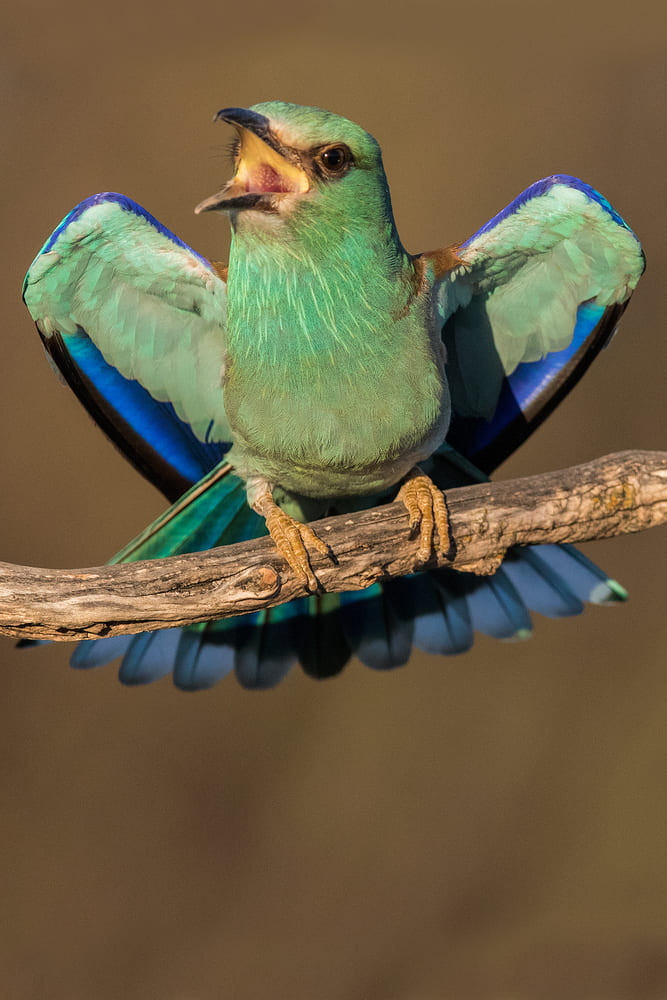
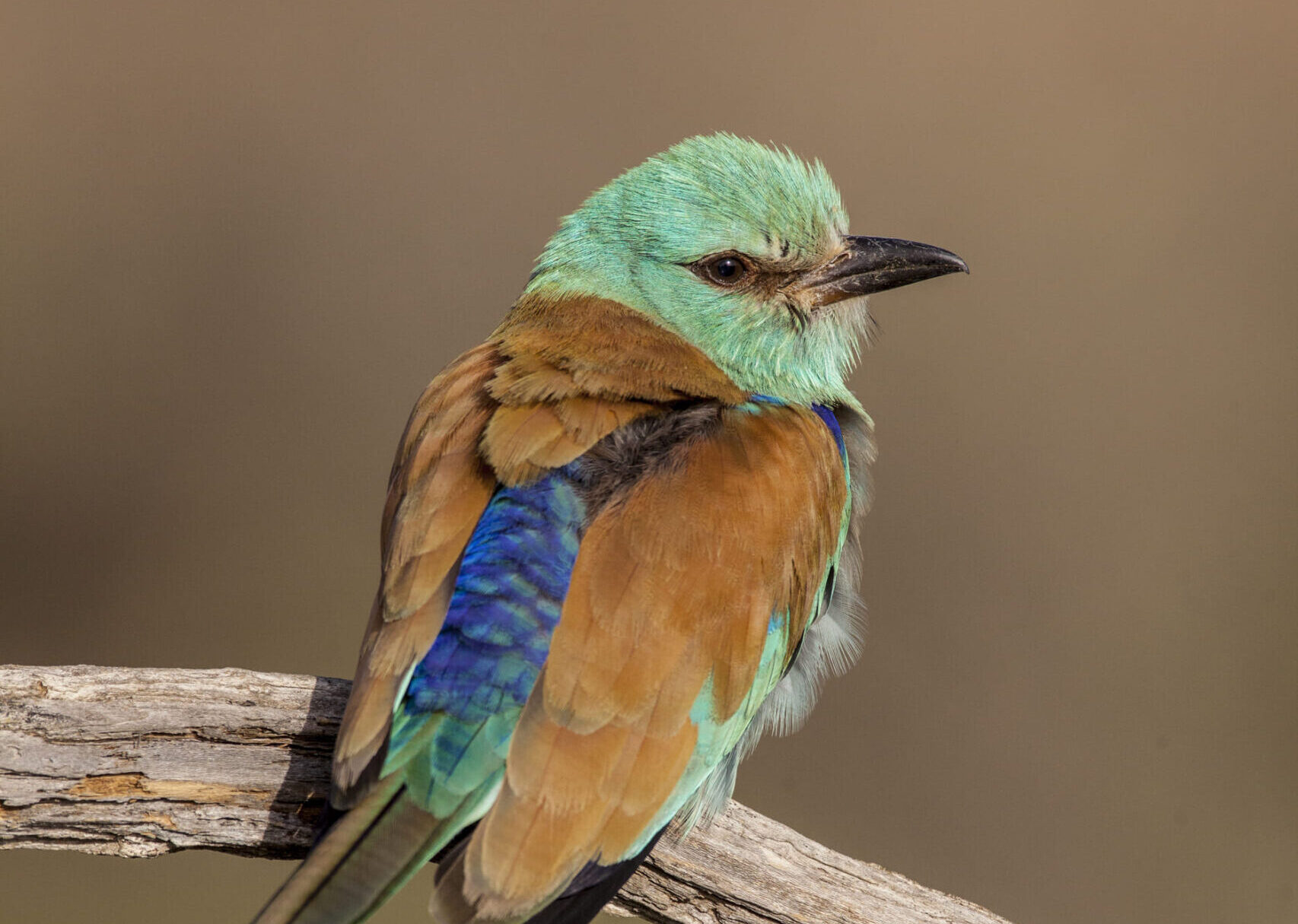
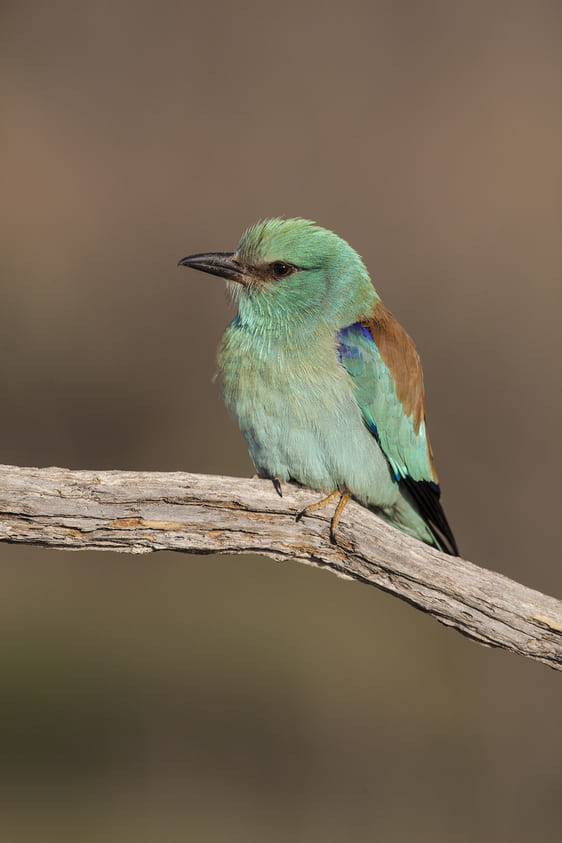
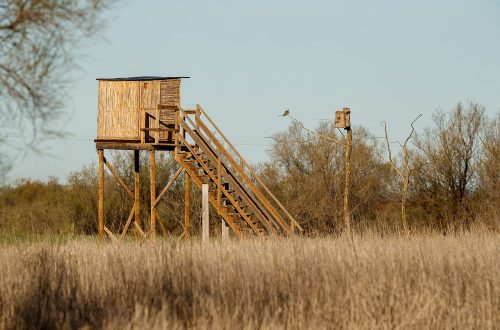
Hide situated at the top of a sturdy wooden tower, 4 metres high, opposite a group of perches where a pair of rollers have a nesting site. It is usually the first nest occupied by rollers in El Taray following their return from their wintering grounds in Africa.
In 2017, this nest was occupied by a trio that managed to raise the entire brood.
In 2019, there was a very interesting observation during the first photography session, when only one of the pair was occupying the nest. Mid-morning, this roller was seen suddenly flying straight up into the clouds, emitting a hoarse caw continuously, only to return a few seconds later accompanied by its mate, who immediately set about inspecting the nest and taking possession of the territory.
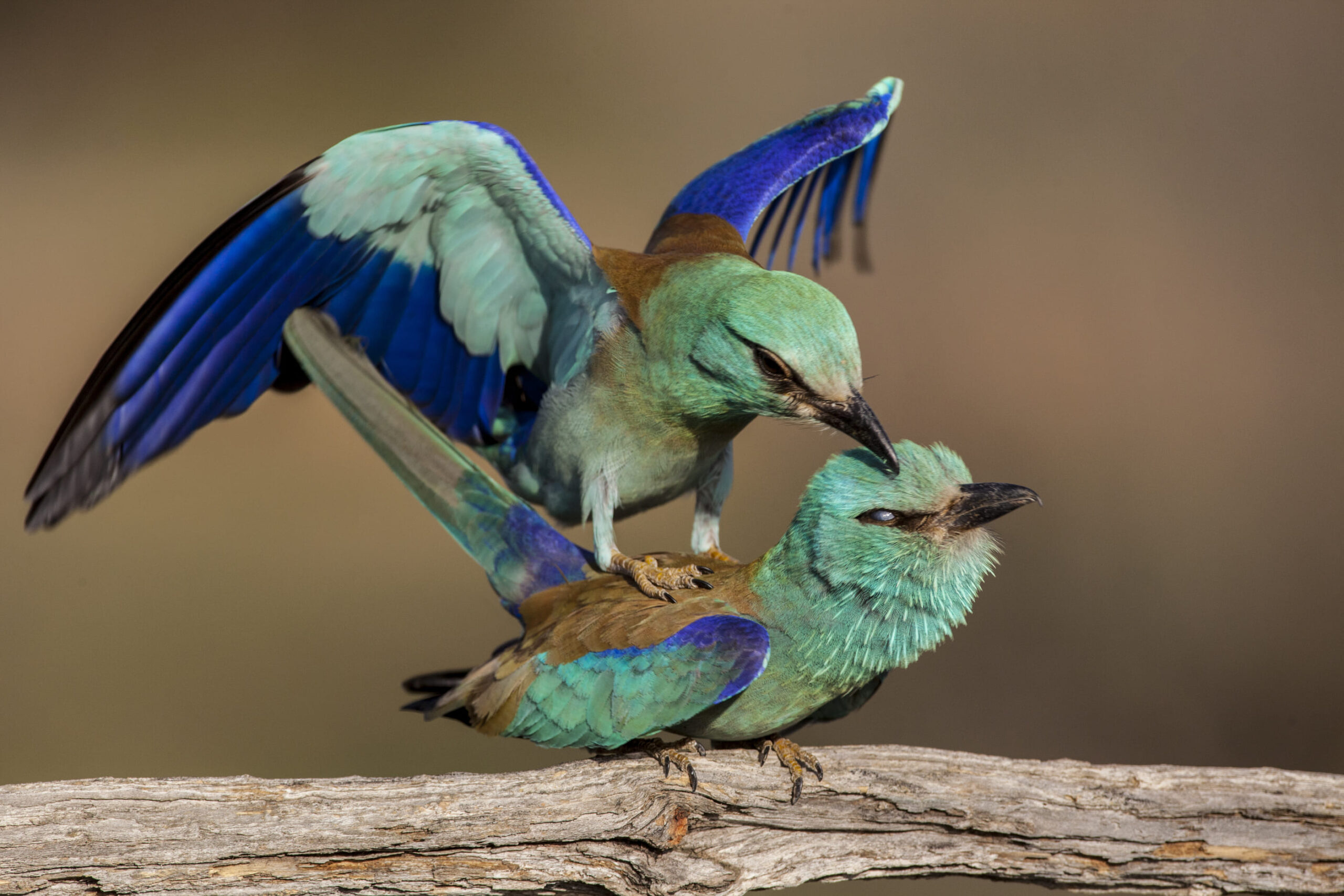
The roller birds return to El Taray around mid-April, with the average date of nest occupation being around the 20th. From mid-April to mid-May, the breeding season takes place, with mating and courtship displays frequently occurring on the perches closest to the nest. Egg-laying is completed by mid-May. Incubation takes place from mid-May to mid-June. During this period, the rollers regularly exchange food around the nest, and the bird not incubating the eggs visits the perches in front of the hide from time to time. Visits increase significantly between mid-June and the first few weeks of July, coinciding with the chicks’ feeding, sometimes featuring highly striking prey such as small snakes, scorpions, centipedes or solifuges. In July, it is common for other families of shrikes to appear in the vicinity of active nests.
Species photographed at this hide: roller, Eurasian Hoopoe, Spotless Starling, Common Starling, Little owl, Eurasian Magpie.
The hide
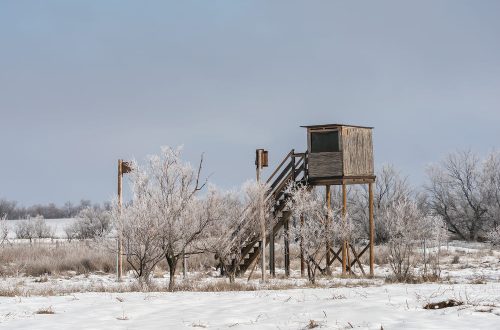
Combine this hide
You can combine this hide with other nearby hides to get the most out of your trip. If you’d like to enjoy several photo sessions, we’ll advise you on the best options.
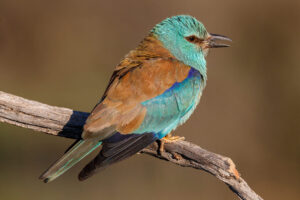
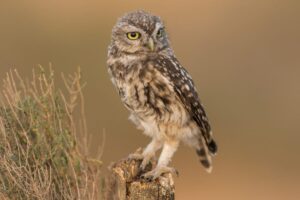
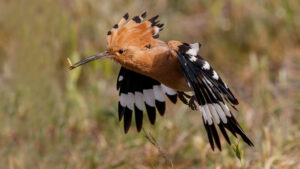
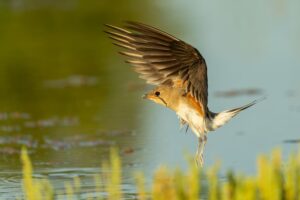
More photos taken from this hide
Click to enlarge