- El Taray Lagoon
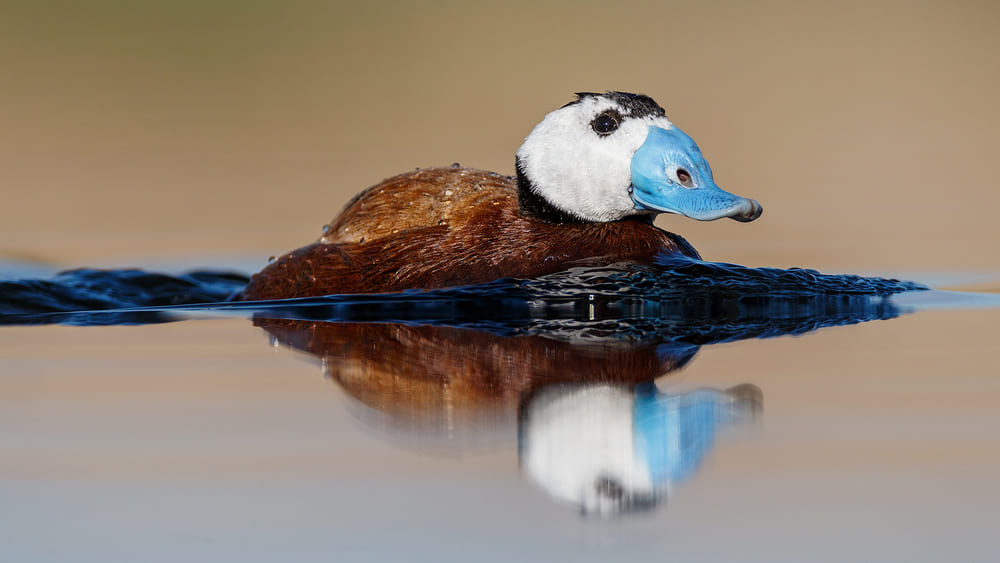
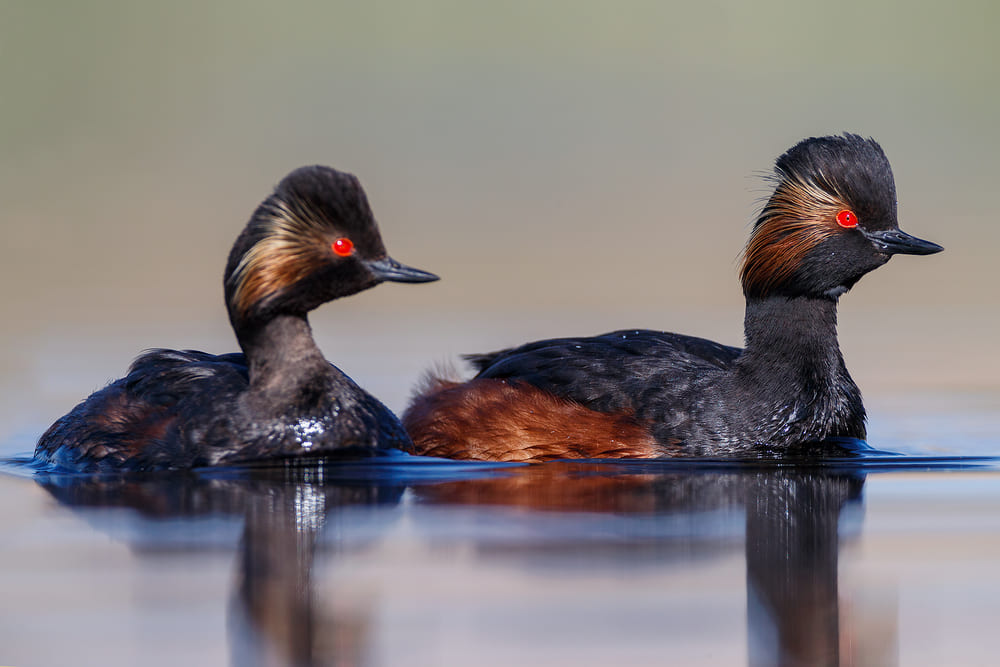
- Black-necked grebe, white-headed duck, purple heron, eurasian spoonbill, little bittern
- Morning and evening light
- From May to July, depending on the water level in the lagoon
- 6.00 am to 11.00 am / 6.00 pm to 9.30 pm
- 4–6 people
Share
Click to enlarge
- Vega Mazón
- El Espartal
- Hoya de Linares
- Drinking hide Casa de Labor
- European Roller Casa de los pastores
- European roller Casa de labor
- European roller La lagunita
- Masiega
- Mangada
- Reflections
- Little owl
- Eurasian hoopoe
- Iberian grey shrike and common kestrel
- Compuertas húmedo
- Compuertas seco
- River northern goshawk
- Hydrohide
- Wading bird hide
Other hides at El Taray Lagoon
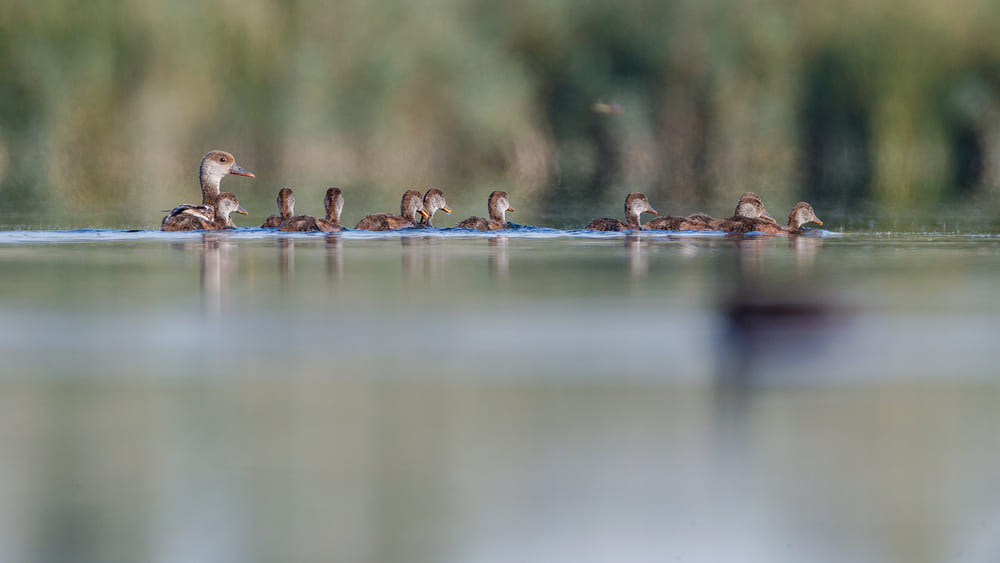
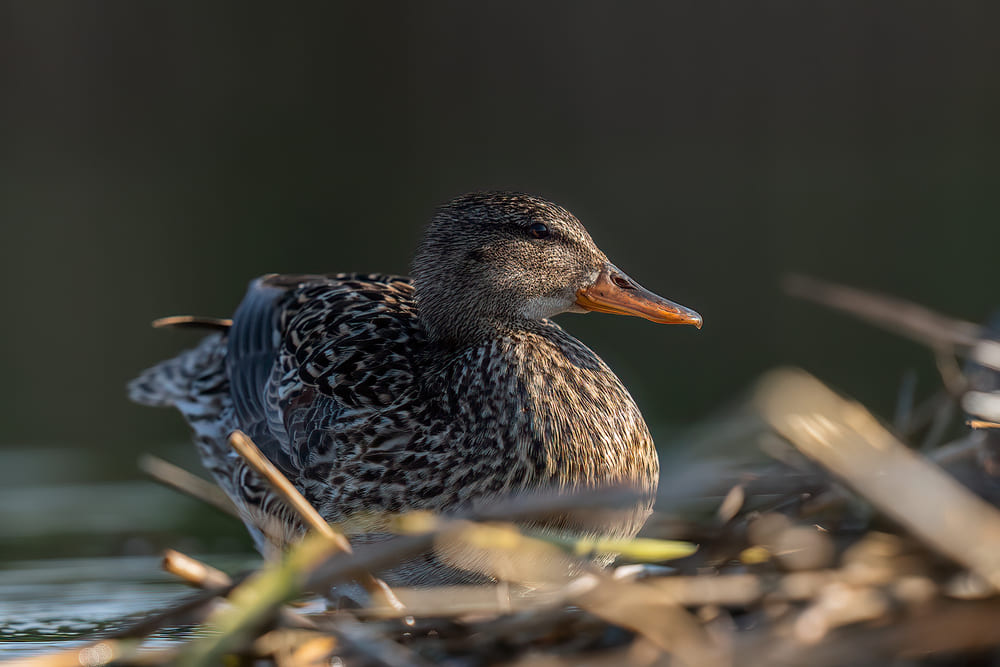
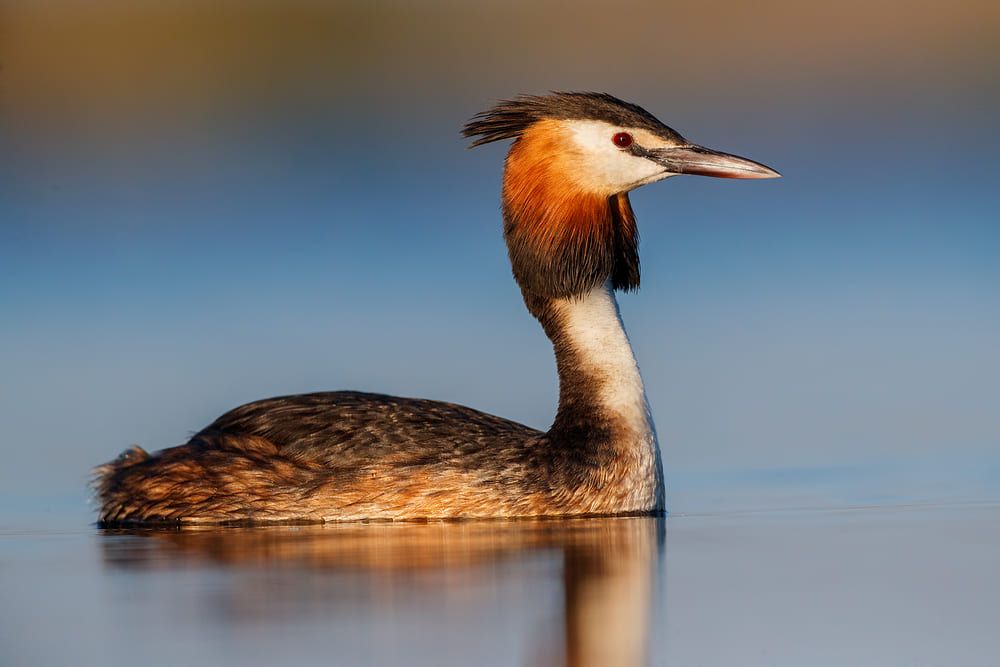
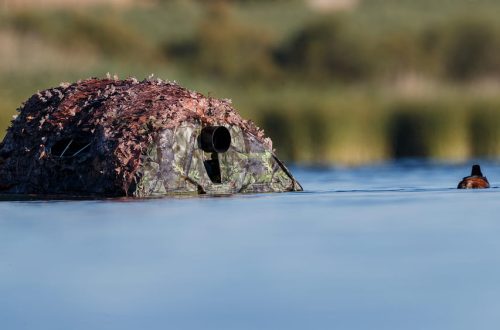
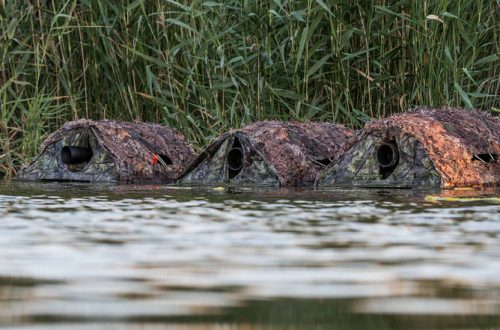
The Hydrohide is a floating hide, consisting of a fabric hood and an unsinkable frame to which the camera is attached (completely reliable and safe for the equipment). The photographer drags this hide around the lagoon, deciding at all times on the subject and the orientation in relation to the sun. This, combined with the fact that the camera is positioned just a few centimetres above the water, allows for incredible and original photographs and offers complete freedom when composing the image.
To practise this activity, specific equipment is required (wetsuit, water-resistant shoes, waterproof bags), which is provided along with the hide. This activity is carried out with the assistance of a guide. The physical characteristics of the lagoon (with an average depth that allows you to walk along the bottom, a silty substrate where your feet sink only a few centimetres, and a flat basin with no pools or deeper areas) make manoeuvring the hide very easy. Added to this is an enormous wealth of birdlife associated with the open water areas and the shores.
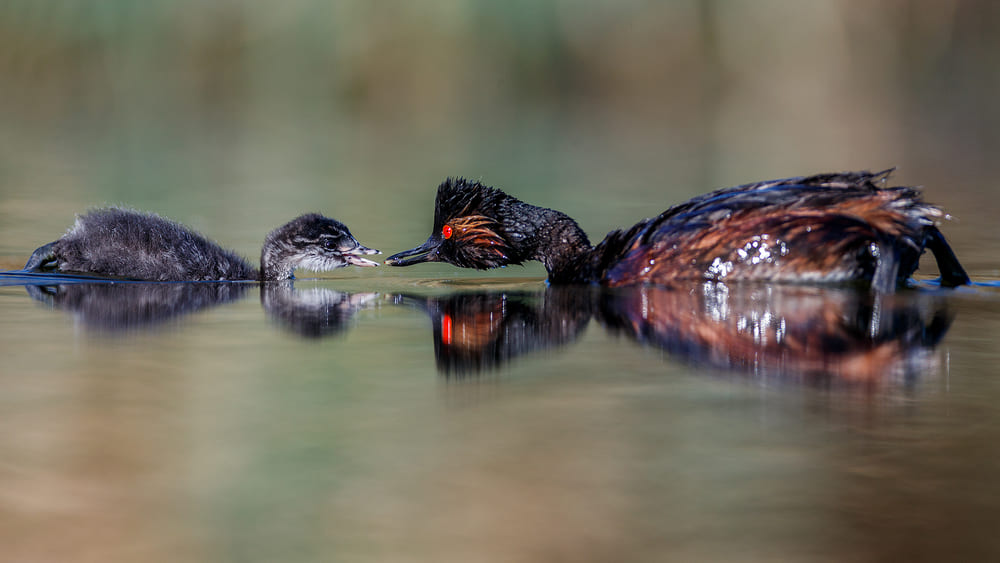
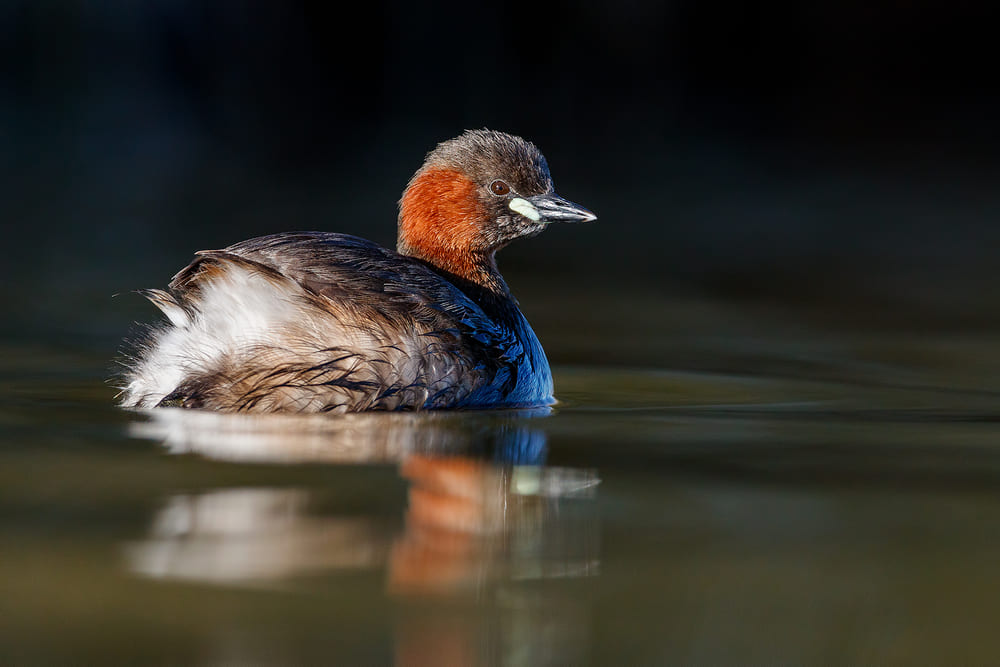
The best times for photography are from mid-May to mid-July, with species diversity increasing towards the end of the season. However, this period of activity depends on the water level in the lagoon. One of the most interesting times for birdwatching at El Taray is in July, when black-necked grebes carry their chicks on their backs and feed them in a cooperative effort involving both members of the pair.
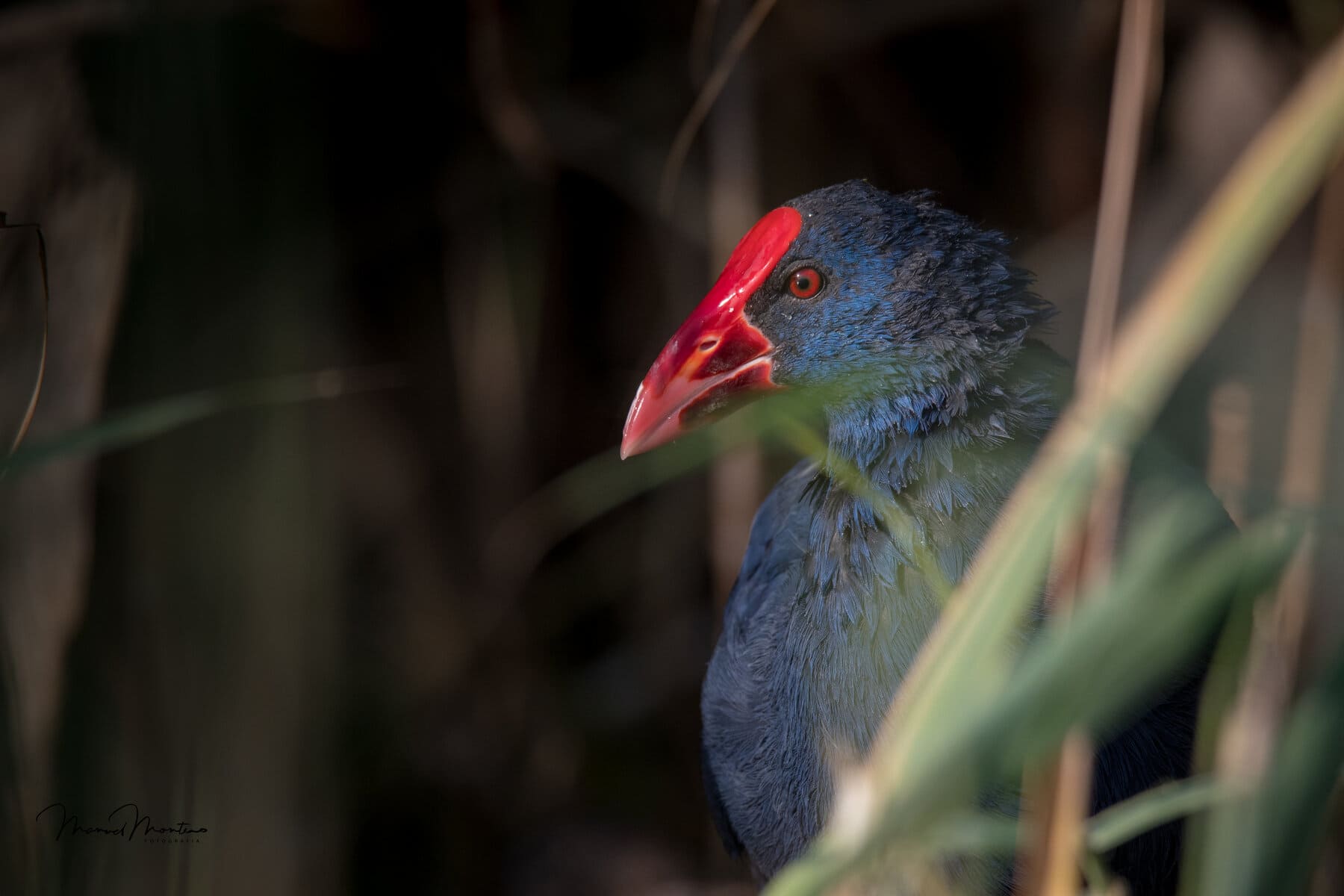
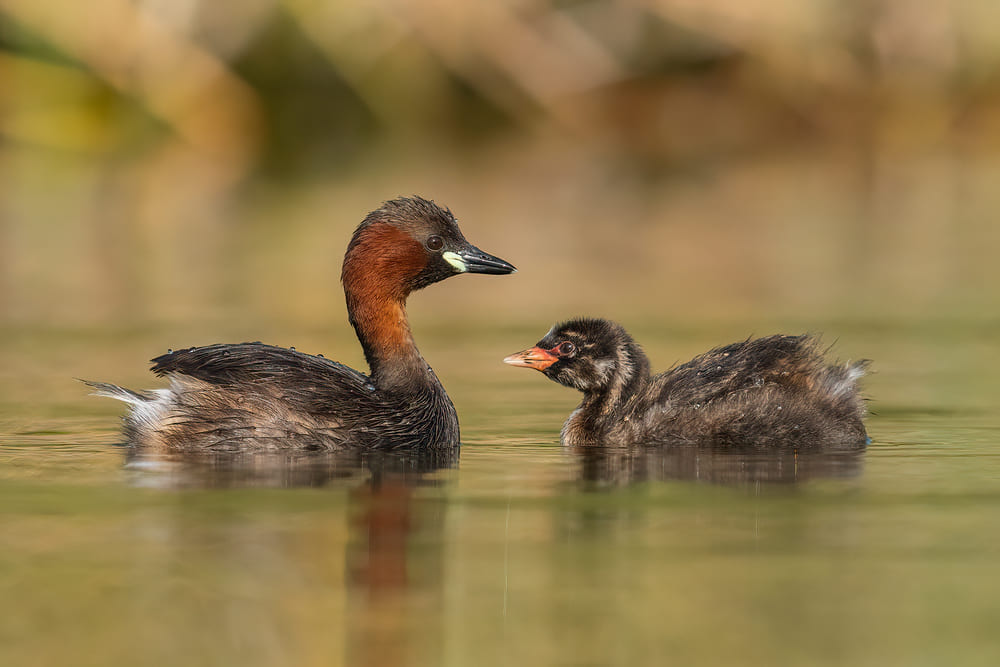
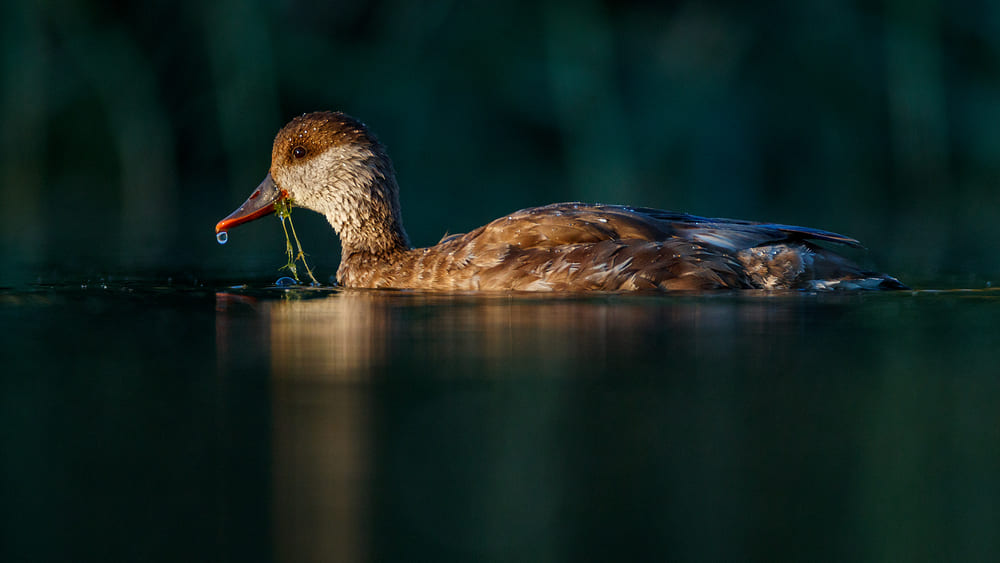
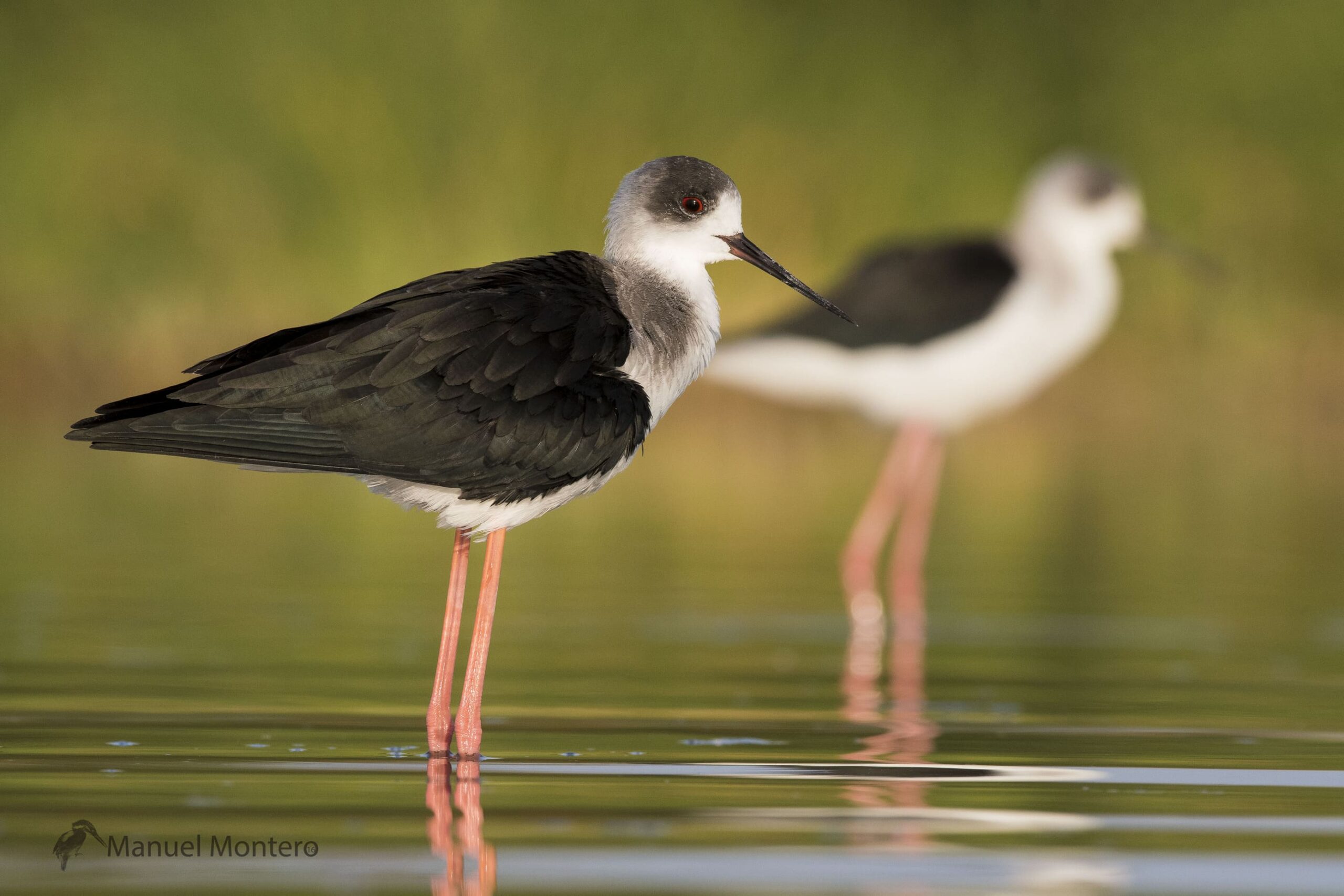
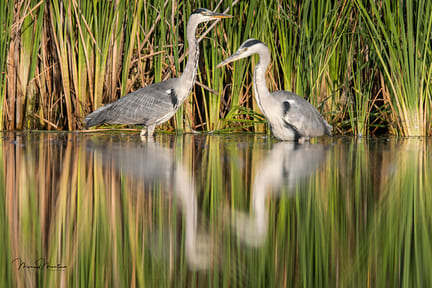
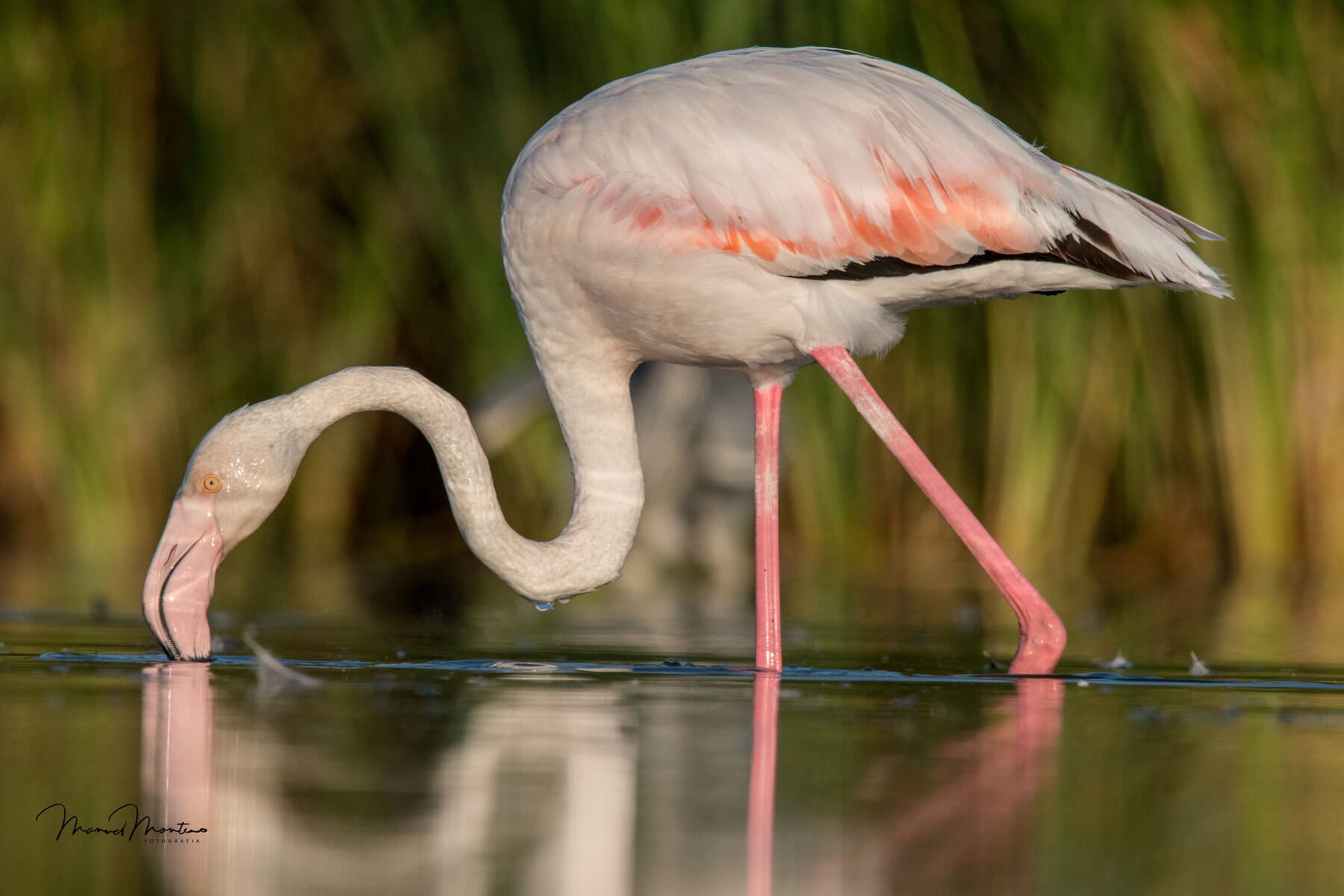
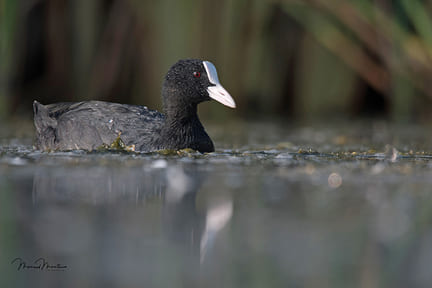
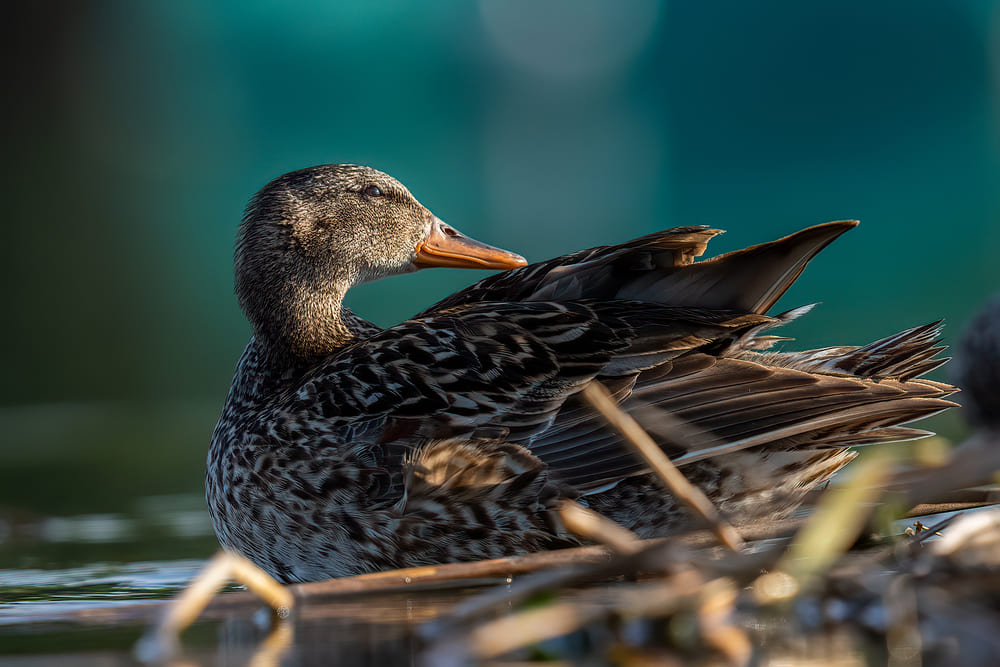
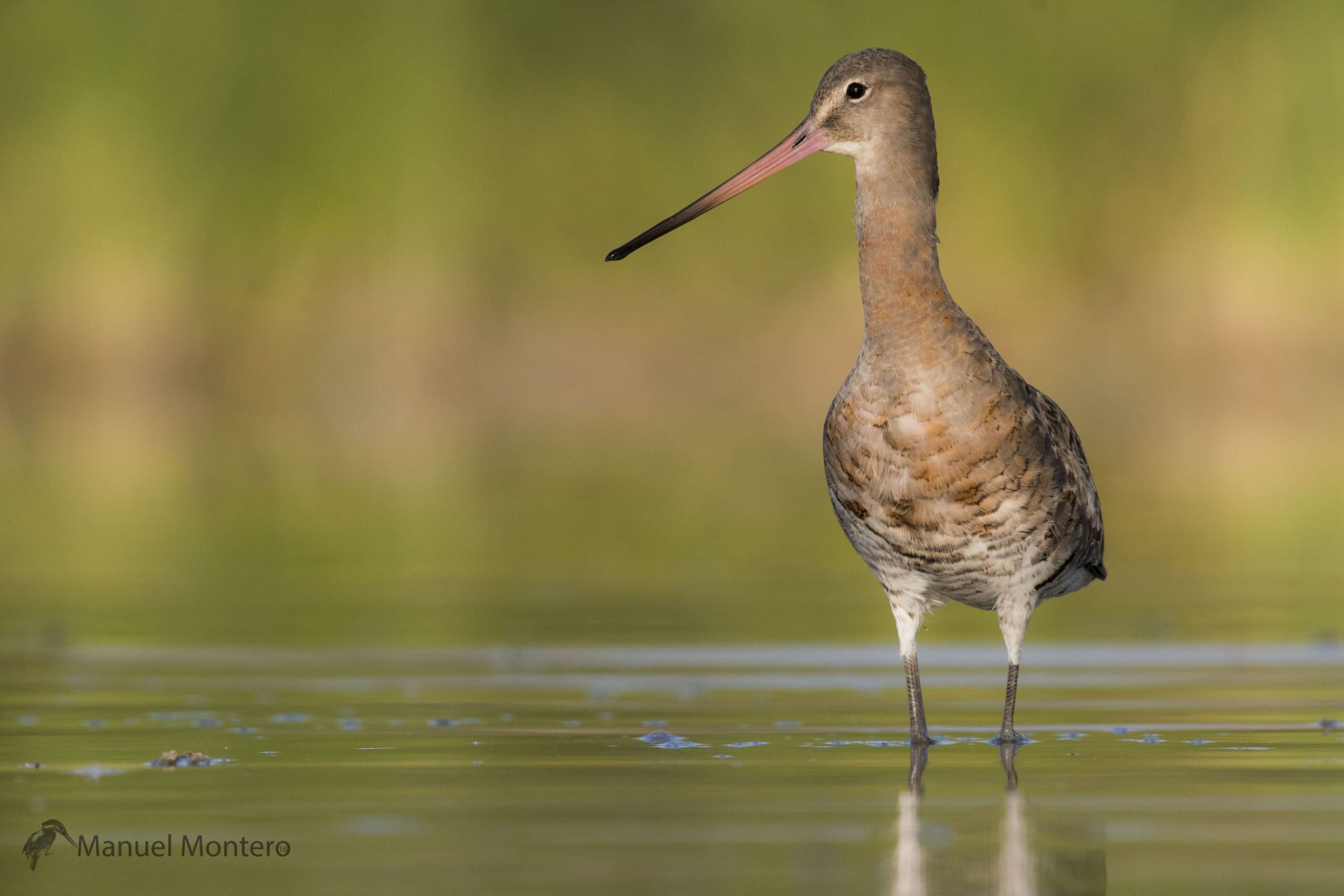
Species photographed using these hides: black-necked grebe, little grebe, great crested grebe, mallard, gadwall, red-crested pochard, common pochard, tufted duck, white-headed duck, northern shoveler, garganey, black-winged stilt, pied avocet, common sandpiper, common redshank, spotted redshank, black tern, whiskered tern, black-headed gull, grey heron, purple heron, great egret, greater flamingo, eurasian spoonbill, white stork, black stork.
The hide
Combine this hide
You can combine this hide with other nearby hides to get the most out of your trip. If you’d like to enjoy several photo sessions, we’ll advise you on the best options.
More photos taken from this hide
Click to enlarge